

Tuesday, November 10, 2026

Training

    Success as a real estate agent often hinges on negotiating effectively and delivering compelling listing presentations.

    For real estate agents looking to up their game and stand out in a competitive market, honing these skills is paramount.

    Negotiation Skills

    Negotiation lies at the heart of every real estate transaction, making it crucial for agents to master this art.

    Effective negotiation involves more than just haggling over prices; it requires clear communication, strategic thinking, and building rapport with clients and counterparties alike.

    Continuous education and training

    Sharpening negotiation skills as begins with a commitment to continuous learning and professional development.
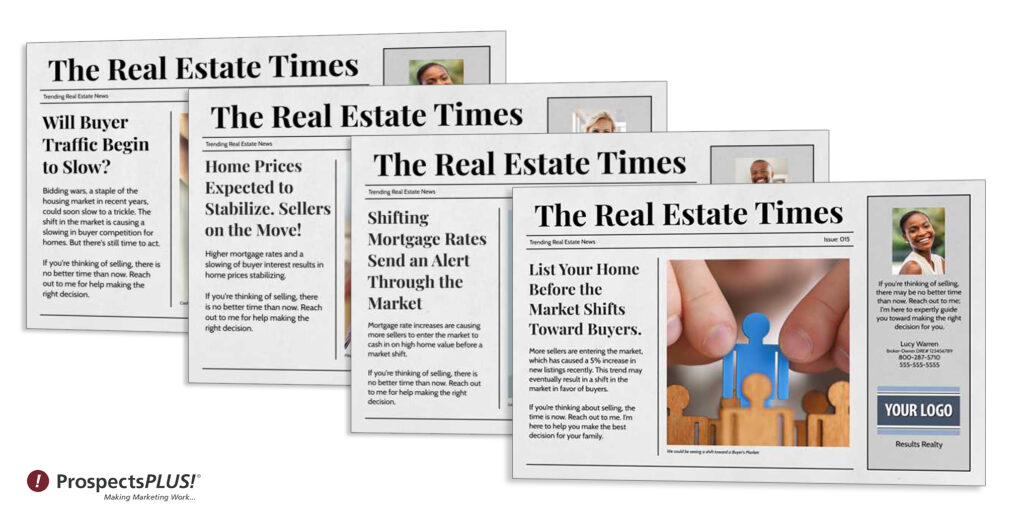
    The Real Estate Times Series is shown above. To learn more, Click Here.

    Seek out specialized training programs, workshops, and seminars focused specifically on negotiation techniques tailored to the real estate industry. There are several options available through online platforms like Harvard Business School, Udemy, and various organizations nationwide. Or you can find endless YouTube videos, podcasts, and books dedicated to this subject.

    Additionally, consider joining professional organizations or networking groups where you can exchange insights and strategies with fellow real estate professionals.

    By staying informed about the latest trends and best practices in negotiation, you can enhance your ability to navigate complex transactions and achieve favorable outcomes for your clients.

    Practice and role-playing

    Like any skill, negotiation requires practice to master. Dedicate time to honing your negotiation skills through role-playing exercises and simulated scenarios.

    Practice negotiating various aspects of a real estate transaction, such as price, terms, and contingencies, with colleagues or mentors acting as clients or counterparties.

    Role-playing allows you to test different strategies, refine your communication techniques, and build confidence in your ability to negotiate effectively in real-world situations. Embrace feedback and constructive criticism to identify areas for improvement and fine-tune your approach over time.

    Understand client needs and market dynamics

    Effective negotiation in real estate hinges on a deep understanding of both your client’s objectives and the broader market dynamics at play.

    Take the time to listen to your client’s concerns, priorities, and preferences, and tailor your negotiation strategy accordingly.

    Conduct thorough research into market trends, comparable properties, and local market conditions to identify opportunities and anticipate potential challenges during negotiations.

    By aligning your approach with your client’s goals and leveraging your knowledge of the market, you can negotiate with confidence and achieve the best possible outcomes for your clients.

    Listing Presentation Skills

    A compelling listing presentation is key to winning clients and securing valuable listings.

    Begin by thoroughly researching the property and its neighborhood to understand its unique selling points and market value.

    Arrive at the presentation armed with data and insights that demonstrate your expertise and reassure the seller of your ability to represent their property effectively.

    Additionally, personalize your approach by considering the seller’s specific needs and motivations. Then, tailor your presentation to address their concerns, and highlight how you can meet their goals.

    Show don’t tell

    During the presentation, focus on building rapport and trust with the seller. Take the time to actively listen to their needs and preferences, and be prepared to address any questions or concerns they may have.

    Present yourself as a knowledgeable and trustworthy advisor who is committed to guiding them through the selling process with confidence.

    Utilize visual aids such as market trends, comparative market analyses, and professional marketing materials to support your arguments and showcase your dedication to achieving the best possible outcome for the seller.

    Value proposition

    Differentiate yourself from the competition by highlighting your unique value proposition and the benefits of working with you as their realtor.

    Emphasize your track record of success, your comprehensive marketing strategy, and your proactive approach to communication and negotiation.

    Share stories about successes with past clients, including challenging listings and how you overcame them.

    By investing time and effort into mastering negotiation and listing presentation skills, you can enhance your value proposition, win more clients, and achieve greater success in the competitive real estate industry.


    When you have time…below are some marketing tools to help support your success.

    1. Put Your Real Estate Business a Step Above with Your Own Branded Magazin

    Homes & Life Magazine is a customizable magazine with rich, full-color content and a sharp, professional aesthetic. It includes compelling, direct, response-driven articles written by real estate industry experts and engaging lifestyle content. Send out Homes & Life Magazine in Just Minutes – No Minimums Required. Or we’ll ship it to you. Homes & Life Magazine is the ultimate “Coffee Table Lingerer”! …and it costs less than sending a greeting card! – Click Here

    2. The Free 6-Month Done-For-You Strategic Marketing Planner
    The Real Estate Marketing Planner is a powerful 6-Month Guide that strategically defines what marketing to do and when. Four key market segments include niche Markets, geographic farming, sphere of influence, and past clients. – Click Here

    3. The Free Online Real Estate Business Plan
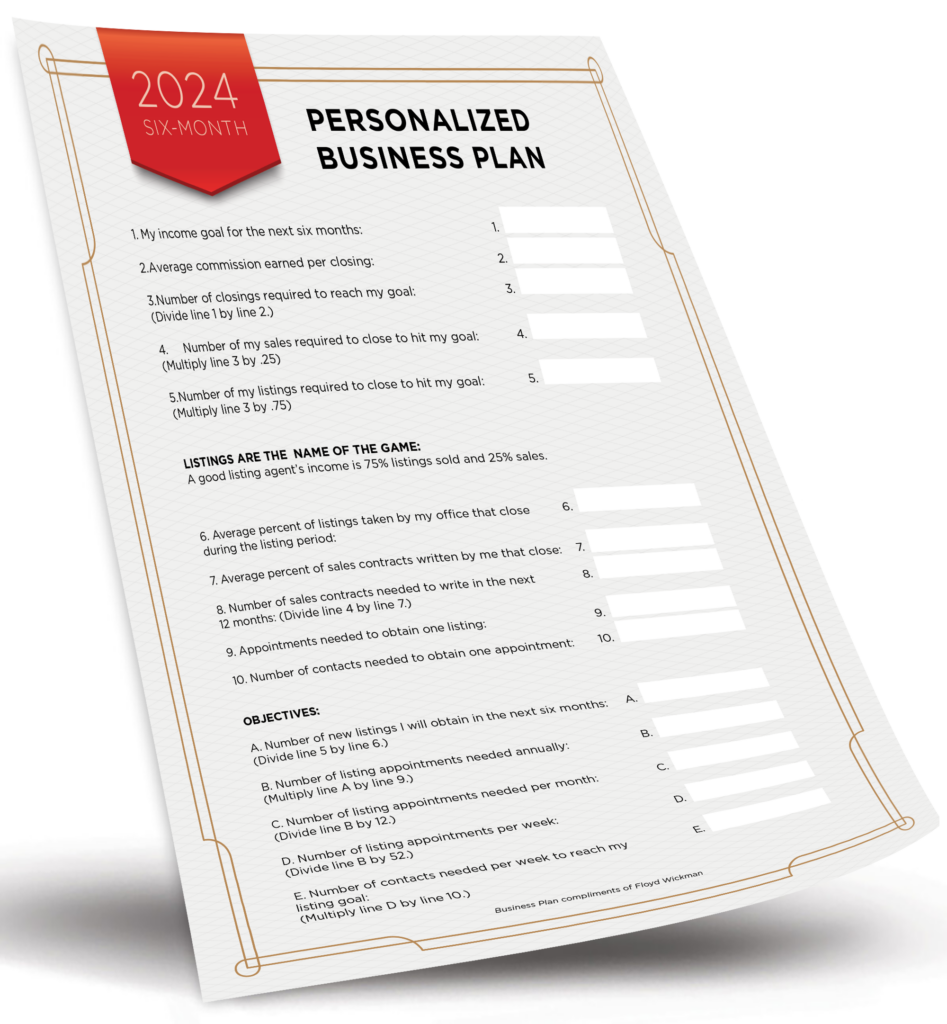
    The Real Estate Business Plan allows you to enter your business goals for the year and get a breakdown of how many prospects, listings, closings, and so on are needed to reach your financial goals.   – Click Here

    4. The Become a Listing Legend Free eBook 
    This image has an empty alt attribute; its file name is Become-A-Listing-Legend-3D-Book-White-274x300.jpg

    Ready to take a vertical leap in your real estate career? If you’re looking for inspiration…and the tools and methods to dominate a market and go to the top in real estate…you’ll find them in this free book. – Click Here


      What if all of your clients knew exactly what to expect during the real estate transaction? Imagine how comfortable they would be, how less likely they will be to freak out over the smallest bump in the road. Taking the time to educate your clients takes this premise and makes it a reality.

      Even better is to educate your prospects before they become clients.

      Let’s take a look at some of the ways agents across the country are educating prospects in their efforts to create savvy clients.

      Educate the masses with virtual webinars

      Homebuyer seminars are hardly innovative – agents and lenders have been organizing them for decades. The only necessary change, with the current distancing guidelines, is to turn your seminar into a virtual webinar.

      Agent Deb Tomaro spoke about her buyer educational events, “Sure, the events help pull in prospects, but once converted, these people turn into the best kind of clients”.

      “They know what to expect, they know the process, so I’m not having to micromanage them,” Tomaro explained. “They are able to keep things in perspective, they understand the big picture, and they know what they’re doing.”

      The most important step when considering holding a virtual webinar is to determine your audience. This should be easy if you practice in a real estate niche. If you are a generalist, consider some of these audiences:

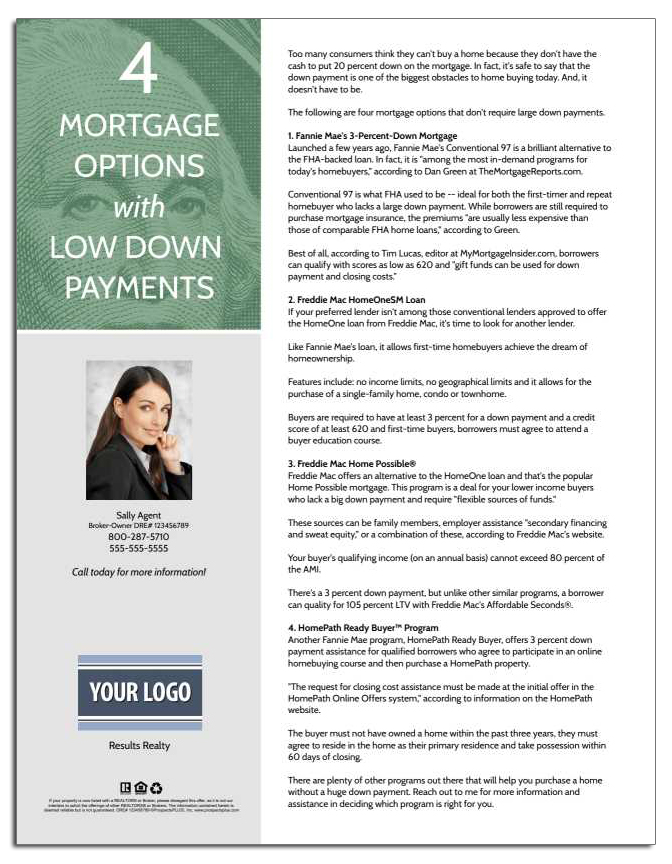
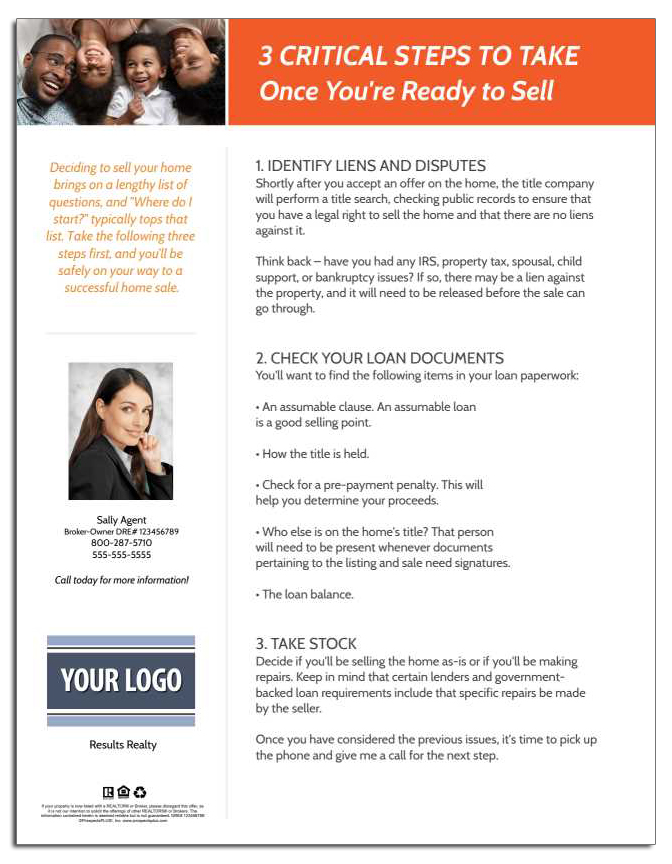
      3 Critical Steps Direct Response Report
      • First-time homebuyer
      • Vacation property buyer
      • Government loan programs featuring low or no down payment
      • Senior buyers
      • Immigrant buyers
      • Mobile home buyers
      • New home buyers
      • Veterans
      • Horse property buyers

      The toughest part of the process is the planning, but the Real Estate Buyer’s Agent Council of the National Association of REALTORS (REBAC) has a handy online pamphlet that walks agents through each step.

      Radio still has its place

      Less than 1 percent of real estate agents use radio or television, according to Matt Wagner, founder of Radio and Television Experts.

      Of the two, radio is by far the preferred medium if you plan on buying advertising or hosting your own real estate show. The main advantage of radio over television is the cost – radio is far less expensive.

      For the purposes of educating prospects, you’ll need more than a 30-second spot. The back and forth of a call-in talk show is ideal for educating prospects.

      How much will this cost? It depends on the size of the market, the station’s ratings and the time of day you choose. Stations in New York City and Los Angeles charge far more for advertising than those in Grand Forks, N.D., and Casper, Wyo.

      Thankfully, real estate talk shows typically occur on weekends, when air time is the least expensive. If you live in a small enough market, and a station is in need of content, you may even end up with free air-time. But that would be the exception, not the rule.

      Otherwise, many agents pound the pavement, or the telephone, to drum up sponsors for the shows, in exchange for mentions on the air. Good prospects are title companies, home inspectors and lenders.

      Of course, there are ad agencies, radio air-time brokers and others, who will actually do all the groundwork for you, for a fee.

      Mortgage Options Direct Response Report
      Teach through print

      Although the final eulogy has yet to be written, newspapers are expected to someday go the way of the Pony Express. Only the largest, according to some forecasters, will survive.

      Like real estate, however, print journalism is quite local. While many real estate consumers rely on the Internet for real estate listings and information, in some towns, it’s the local newspaper that is still the go-to source.

      Robin Shapiro, broker-owner of Robin Shapiro Realty in the Rockaways, finds great success with her hometown paper, The Wave. Before it was put online “people would actually cross over the bridge to buy it,” she said.

      If that sounds like the paper in your town, it may just be the place to offer your services as their real estate advice columnist. Call the editor and make the pitch.

      Even if you don’t fancy yourself a writer, you can hire an inexpensive freelance editor to go over your copy before sending it on to the paper.

      Blog topics that educate

      Blogging helps you educate prospects on a range of real estate issues. It’s a great way to let them know about current market trends so they know what to expect when they decide to enter the market.

      Examples of blog topics that help educate include:
      • Financing — this is such a confusing topic for real estate consumers. Make it easy for them to understand.
      • Common real estate terms and what they mean – just go through your listing or purchase agreement and you’ll find a plethora of jargon that befuddles most real estate consumers. What’s a contingency? What is “arm’s length?”
      • Closing – aside from financing, the closing process is probably the most mysterious they’ll encounter. Demystify it by explaining what happens, who will be there and the paperwork they’ll be confronted with.

      While there are many ways to educate your clients, why not choose a method that reaches a massive amount of people and combines lead generation with education?

      Even if you have to pay for the method, you can bask in the fact that you’re getting two results in one go.

      Home Seller Mistakes Direct Response Report
      Offer the 4 Home Seller Mistakes Direct Response Report in all of your marketing as an opt-in (including your emails, direct mail, and on your website).
      Also, keep a stack available to add to your listing presentations and to give out at open houses.

      Need help targeting a specific niche of buyers or sellers? Use our Demographic Search Tool to create the ideal list (it’s easy). Or call our support team for assistance at 866.405.3638!

      PLUS: When you have time…here are some helpful resources we’ve made available to support your success.

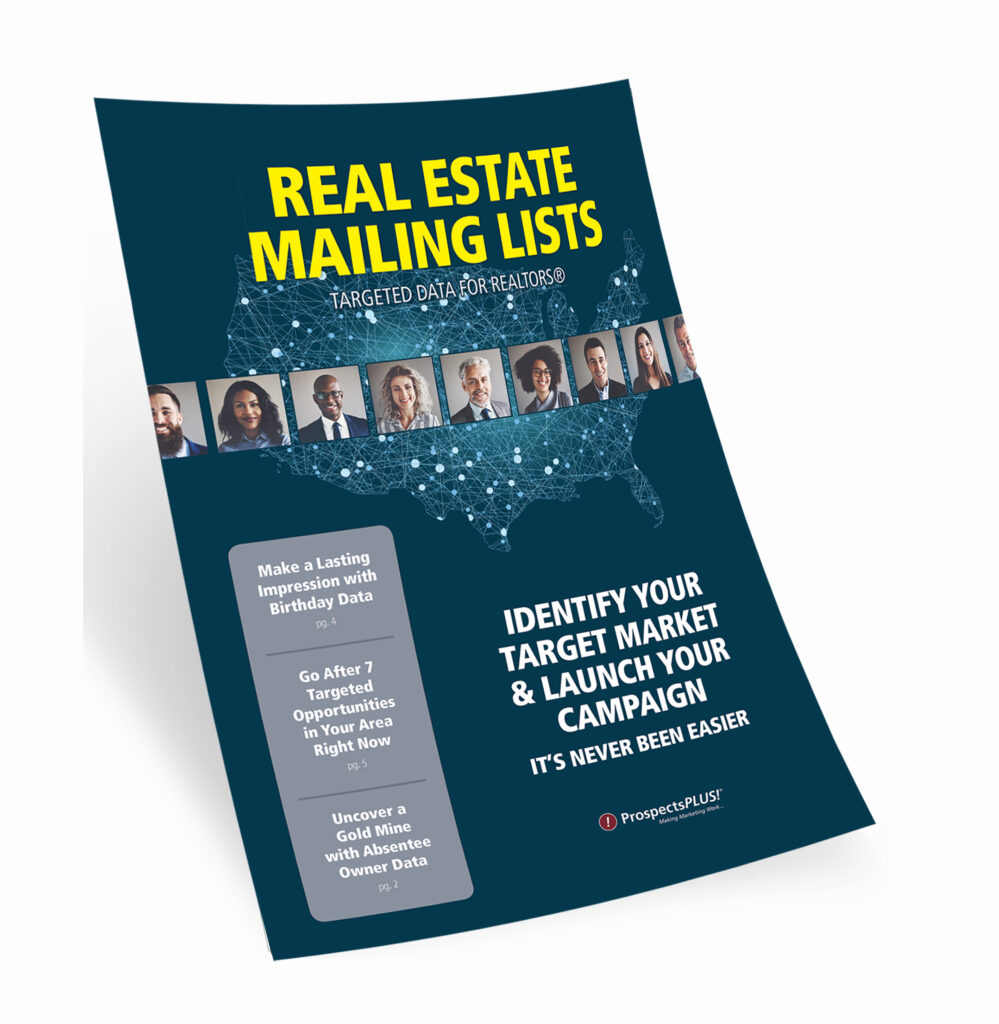
      1. The Free Real Estate Mailing List Guide

      This image has an empty alt attribute; its file name is Real-Estate-Mailing-List-Guide2-3-D-999x1024.jpg

      The Real Estate Mailing List Guide outlines the top tools for generating targeted prospecting lists including Baby Boomers, Empty Nesters, Investors, Lifestyle Interests, High-Income Renters, Move-Up Markets, and more. The Guide also defines done-for-you marketing campaigns to match these markets. –Click Here

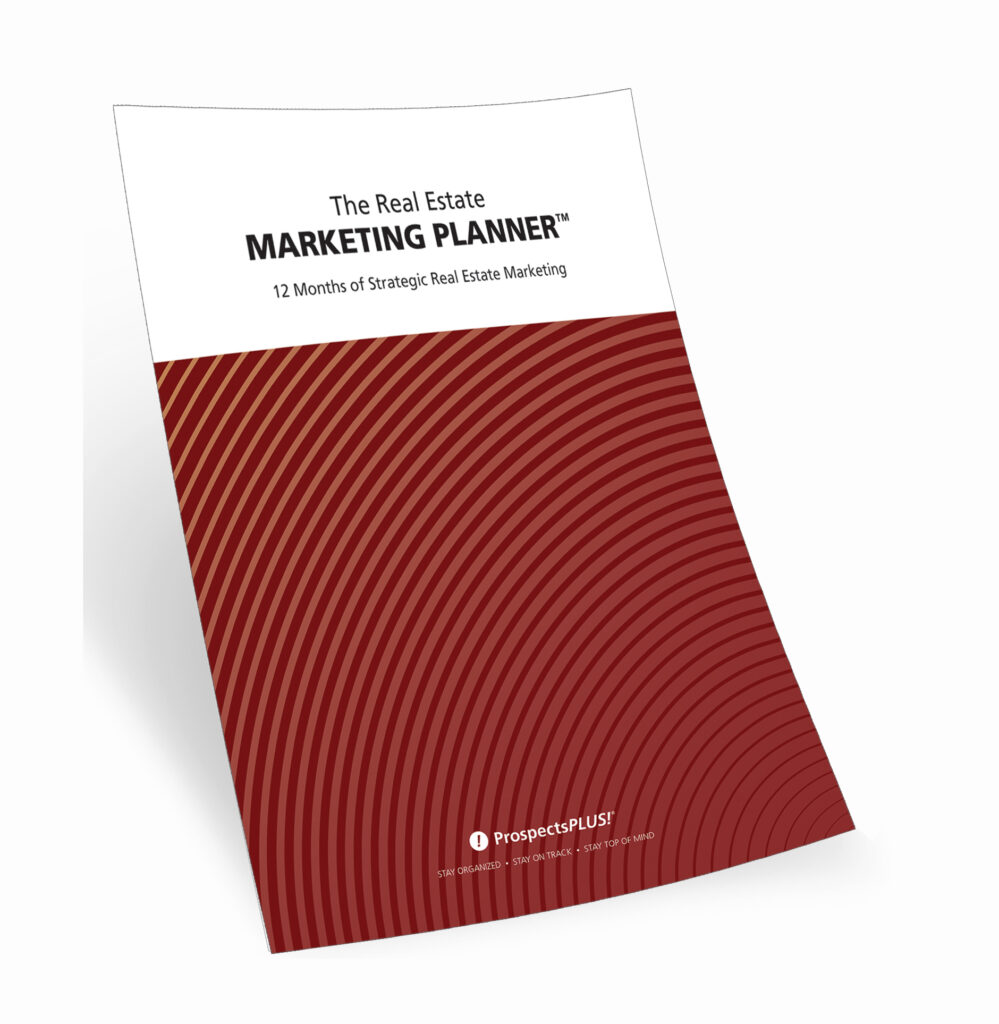
      2. The Free 12 Month Done-For-You Strategic Marketing Plan

      This image has an empty alt attribute; its file name is 2020-Planner-3D-999x1024.jpg

      The Real Estate Marketing Planner is a powerful 12-Month-Guide that strategically defines what marketing to do when. Four key market segments are included, Niche Marketing, Get More Listings, Geographic Farming, and Sphere of Influence. –Click Here

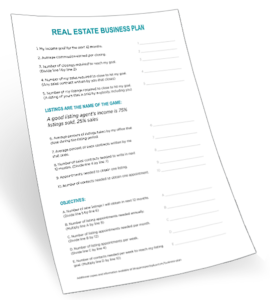
      3. The Free One-Page Real Estate Business Plan

      This image has an empty alt attribute; its file name is Business-Plan-3D-Book-New1-270x300.png

      Treat your business like a business it is vital to long-term success in this industry. Some agents may put together elaborate business plans, yet there’s something powerful about keeping it simple. Check out our one page Online Real Estate Business Plan.  – Click Here

      4. Become a Listing Legend Free eBook 

      This image has an empty alt attribute; its file name is Become-A-Listing-Legend-3D-Book-White-274x300.jpg

      Ready to take a vertical leap in your real estate career? If you’re looking for inspiration…and the tools and methods to dominate a market and go to the top in real estate…you’ll find them in this free book. – Click Here
      5. The Market Dominator

      Become branded in a specific neighborhood with a 12X15 marketing piece sent automatically each month to an exclusive carrier route. Watch this video to learn more or Click Here.

      6. The Free Online ROI Calculator

      This image has an empty alt attribute; its file name is ROI-calculator-b-233x300.jpg

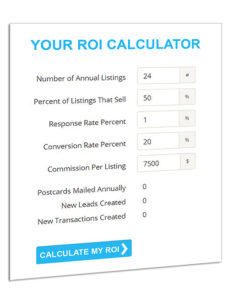
      Consistency and automation are the keys to success. Discover how effective direct mail marketing can dramatically increase your bottom line. Enter your statistics in our Free online ROI Calculator and click the ‘CALCULATE MY ROI’ button to see your results instantly! –Click Here

      7. The Free Real Estate Marketing Guide “CRUSH IT” 

      This image has an empty alt attribute; its file name is CRUSH-IT-Guide-3-d-298x300.jpg

      The “Crush It” Guide includes easy steps to launching an effective direct mail marketing campaign, how to create a targeted prospect list, the perfect way to layout marketing materials for success, seven opportunities available to target in your area right now. –Click Here

      Geographic farming works best when direct mail is treated as a repeatable system, not a one-time postcard. For an independent real estate agent, the goal is to stay useful and recognizable in a defined area while making each mailing part of a larger follow-up plan. This guide explains how to build a real estate direct mail strategy without promising a specific number of listings or sales.

      1. Choose a manageable farm area

      Start with an area you can serve well and market to consistently. Consider the neighborhood, the type of homes, the likely seller and buyer audience, your budget, and the time you can devote to follow-up. A focused area makes it easier to create relevant messages and recognize the conversations that your mailings start.

      2. Set a mailing cadence you can maintain

      Consistency matters more than a single burst of activity. Choose a schedule that fits your budget and operating plan, then build the work into your calendar. Costs can vary with quantity, piece size, mail class, data selections, postage, route-service options, and scheduled sends, so review the full campaign before committing.

      A recurring campaign can help you plan ahead instead of deciding from scratch every month. It also gives you a clear rhythm for preparing the next message, checking responses, and following up with people who want to talk.

      3. Make each mailer useful

      A direct-mail piece should give a homeowner a reason to read it. Depending on your audience and campaign, that could be a just-listed or just-sold update, a concise market insight, a seasonal homeowner tip, or an invitation to learn more. Keep the message easy to scan, make your role clear, and include one next step rather than several competing requests.

      4. Match the format and mailing list to the job

      Postcards can provide a quick visual introduction, while magazines and other longer-form pieces can support an ongoing neighborhood presence. The mailing list should fit the audience and area you selected. When you use targeted data, check the selections and address coverage before the send so the campaign matches the people you intend to reach.

      5. Connect the mailer to follow-up

      Decide in advance what will happen when someone calls, visits a landing page, scans a code, or asks a question. Use a simple process for recording the contact, responding promptly, and continuing the conversation when the person welcomes it. Direct mail works best as one part of an agent’s broader marketing and relationship-building plan.

      6. Review the campaign and improve it

      After each send, record the volume mailed, responses, new contacts, follow-up actions, and costs you can measure. Compare the results with your goal for the campaign, then adjust the audience, message, format, timing, or follow-up process. Keep the changes small enough that you can tell what improved.

      How ProspectsPLUS! can support the plan

      ProspectsPLUS! provides printed marketing materials, targeted mailing data, web-to-print ordering, and recurring direct-mail campaigns for real estate professionals. Explore the Market Dominator for an ongoing geographic-farming option, review real estate postcards for focused messages, or use targeted mailing lists when the audience and area are defined.

      Start with one defined campaign

      Choose one farm area, one audience, and one measurable next step. Then build a schedule you can maintain and improve with each send. When you are ready, Launch a campaign with ProspectsPLUS! or contact the marketing team at (866) 405-3638 or support@prospectsplus.com.