

Tuesday, November 17, 2026

marketing plan

Real estate agent reviewing a property marketing plan at a bright kitchen table

A useful real estate listing marketing plan does more than announce a property. It helps you and the seller agree on the audience, message, timing, and follow-up before the listing goes live. With a repeatable framework, you can explain what will happen, keep the work organized, and make thoughtful adjustments as the listing receives attention.

Talk with a marketing specialist

Start with the seller’s goals and the property’s best-fit audience

Begin the plan with a conversation, not a collection of marketing pieces. Ask the seller what matters most: a well-organized launch, reaching likely buyers, keeping neighbors informed, or understanding how interest develops. Their answers help you decide what belongs in the plan and what would only add activity without a clear purpose.

Next, describe the property accurately. Note its features, condition, location, and the details a prospective buyer may want to understand. Separate confirmed facts from phrases that need verification. Use the listing information and seller-approved details as your source, and follow your brokerage’s rules for fair housing, advertising, photography, and required disclosures.

Then name the audience in practical terms. A home’s likely audience may be shaped by layout, price range, location, and features, but avoid assumptions about who should live there. Focus on the home and the information a buyer needs. If you plan to reach nearby residents, past clients, or your sphere, describe why that group is relevant and what message each will receive.

This first step creates a useful boundary: each marketing action should connect to an audience and a purpose. “Send a postcard” is an activity. “Let nearby homeowners know a home has listed and make it easy to learn more” is a purpose you can assess.

Turn the plan into a seller conversation

A written plan is also a tool for setting expectations. Walk the seller through what is included, what depends on their approval, and what is outside the plan. Be specific about timing without presenting estimates as guarantees. For instance, explain when you expect to prepare a proof, when the seller should review it, and what decision is needed before a piece can be ordered. If a task relies on confirmed listing details or a scheduled event, say so.

Discuss the budget before choosing quantities or adding channels. For print, compare the options that matter to the seller: format, mailing quantity, design, audience or data selection, postage or route-service options, and whether the piece is a one-time send or part of a scheduled series. Costs can vary with these choices. Do not treat a per-record data price or a postcard example as an all-in campaign price. Make clear which decisions remain open and what information you need to estimate the order.

Use questions that invite a decision rather than asking for a general sign-off:

  • Which audience is the priority for this announcement?
  • Is the goal to share the listing, invite people to an event, or keep the seller’s network informed?
  • Would you like to review one proposed design first, or compare two message directions?
  • Who should approve the final property details, and by what date?
  • What would you like to review after the first planned actions are complete?

Close the conversation by summarizing the choices and the next owner for each task. Send a concise written recap so there is a shared reference if details change. This does not need to become a lengthy presentation. A short summary of audience, message, actions, timing, budget assumptions, and approval points can prevent misunderstandings and make later updates easier.

Agree on the message before choosing the channels

Write one plain-language description of the listing’s strongest, verifiable points. Keep the central message consistent across the listing presentation, digital promotion, and print. The format can change; the facts should not. Avoid unsupported superlatives or claims about likely sale price, buyer demand, or timing.

Use a short message brief to keep the work aligned:

  • Property: What is being marketed, and which details are confirmed?
  • Audience: Who should receive this communication, and why?
  • Purpose: What should the recipient understand or do next?
  • Proof: Which photos, features, or approved details support the message?
  • Next step: Where can a reader get accurate information or ask a question?

For example, a home with a practical layout and a defined outdoor space might be presented with clear photographs and a concise explanation of those features. A mail piece to a neighborhood audience could announce the listing and direct people to the listing details or an open-house invitation, if one is planned. Keep the call to action specific and make sure the destination is current.

For another example, an agent representing a property that recently came to market may want to keep prior clients informed without implying that every recipient is a potential buyer. A brief update can share the news and invite a conversation about the neighborhood. A message that is relevant and accurate is more useful than an exaggerated pitch.

Choose a mix of actions you can deliver consistently

The plan should identify a few appropriate channels and assign responsibility for each one. There is no universal mix that fits every property. Choose based on the seller’s goals, the listing details, your audience, available time, and the relevant brokerage and platform requirements.

Marketing action Best fit Plan before launch Follow-up to record
Listing presentation and online details Buyers who need complete, accurate property information Confirm facts, images, access details, and timing Questions, corrections, and showing feedback
Just-listed postcard Announcing a new listing to a defined local or relationship audience Choose audience, quantity, design, message, and mailing timing Responses and conversations connected to the mailing
Open-house invitation Sharing event details when an open house is scheduled Verify date, time, access, and any distribution lead time Attendance, questions, and requested follow-up
Direct personal outreach People with a relevant existing relationship or local connection Decide who will contact whom and what to share Contact date, response, and next action
Just-sold follow-up After a sale, sharing the outcome and maintaining neighborhood presence Wait for accurate closing details and confirm the message Inquiries and future conversations, without assuming a result

A table like this turns a broad promise to “market everywhere” into concrete decisions. It also makes the plan easier for a seller to understand. If you cannot identify the audience or the purpose of an action, reconsider whether it belongs.

For print, a just-listed postcard can support a neighborhood announcement, while a later just-sold card can provide a separate update after the transaction is complete. Each is a communication choice, not a guarantee of inquiries or future listings. Explore ideas for keeping listing activity moving and supporting the path from showing to sold as you decide what fits your process.

Build the timeline around decisions and dependencies

A launch schedule keeps tasks from bunching up at the last minute. Work backward from the expected listing date, then include the seller’s review and approval time. The exact timing depends on the property and the chosen actions, so treat this as a planning sequence rather than a fixed service promise.

  1. Confirm the foundation. Verify listing facts, seller preferences, required disclosures, photography plans, and any restrictions or deadlines.
  2. Draft the message. Select the key points and intended audience for each communication. Use approved facts and keep the main message consistent.
  3. Prepare the materials. Gather or create the relevant property details, imagery, and print design. For a postcard, check dimensions, mailing quantity, delivery method, and the address source before ordering.
  4. Review with the seller. Share the proposed plan and materials early enough to correct details. Confirm what will be sent, when it is expected to happen, and who is responsible.
  5. Coordinate the launch. Align the planned communications with the actual listing status and any event details. Do not distribute information that is not ready or approved.
  6. Record what happened. Note when each action was completed and capture responses or questions in the appropriate system.

Give each task one owner. “Agent and seller to review” is less clear than “Agent sends the proof; seller confirms property details by the agreed date.” For tasks that depend on an outside process, build in reasonable lead time and avoid promising a mailbox arrival date. For postal route and mailing questions, consult the United States Postal Service for relevant mailing information.

Make print and follow-up work as one plan

Print is most effective when it fits into a larger sequence of useful communication. A just-listed postcard, for instance, can make a listing visible to a selected audience. A follow-up conversation can answer questions or share an appropriate next step. Later, a just-sold piece can communicate the result once the sale is complete, with accurate details and seller approval.

Keep the sequence focused rather than mailing simply because another date has arrived. Decide what each touchpoint adds. If the first card announces the property, the next communication might invite the recipient to see the listing details or learn about a scheduled open house. Avoid repeating the same copy without considering whether the information is still current.

When a recurring postcard campaign fits your goals, scheduling can reduce ongoing work. Customers pay as they go, with no upfront charges for future mailings. Future sends can be canceled, changed, or paused without a penalty, subject to the account cutoff for changing the next send. Check those account timing details as part of your planning. Professionally written template copy is an easy default; changing headlines, offers, or calls to action is optional.

Keep a simple activity record for each campaign: audience or area, piece, send date, response path, and any follow-up you completed. Do not confuse a response with a qualified buyer or a signed listing agreement. The record is there to help you learn what happened and make the next decision with more context.

For ideas on maintaining contact without making every interaction feel like a pitch, review ways to plan client touchpoints and marketing to your sphere. You can also consider whether a broader real estate lead-generation approach complements the work for this particular listing.

Review activity and adjust with care

Before launch, decide what you will review. Useful observations may include whether materials were approved on time, whether the planned audience was reached through the selected method, what questions people asked, and whether the listing details needed correction. These are process checks, not promises about sales performance.

After each activity, compare what happened with the plan. If a card generated questions about an important feature, check whether the listing information makes that point clear. If an event time or property detail changes, update the relevant communication before sending it. If there was little response, do not immediately assume the audience or design alone explains it. Consider timing, distribution, message clarity, and whether the next step was easy to find.

When reviewing with the seller, separate three things: what you did, what you observed, and what you recommend next. For example: “We mailed the neighborhood announcement on the planned date. Two recipients asked about the open house. I recommend that the next update include the confirmed event details.” This is specific, grounded, and does not overstate what the activity means.

If the listing plan needs revision, explain why. A price, availability, or schedule change may require an update to materials. A change in the seller’s priorities may affect which audience or channel makes sense. Record the decision and confirm any new approvals before proceeding.

Use a short checklist before approving the plan

  • Are the property facts accurate and approved?
  • Does each action name an audience and a clear purpose?
  • Are the message and imagery appropriate for the property and compliant with applicable rules?
  • Are owners and timing clear for every task?
  • Have mailing quantity, design, address source, and delivery method been considered for print?
  • Does each communication include a current, useful next step?
  • Have you allowed time for seller review and corrections?
  • Is there a simple way to record activity and follow-up?

For more practical campaign ideas, see creative marketing approaches for agents and ways to approach expired listings. Adapt any idea to the specific property, seller, audience, and rules that apply. A template can save time, but thoughtful selection and accurate details are still your responsibility.

Explore postcard options for your next listing

Frequently asked questions

What should a real estate listing marketing plan include?

Include the seller’s goals, verified property details, intended audiences, message, selected channels, timeline, task owners, approval steps, and a way to review activity. Keep each action tied to a purpose and a clear next step.

When should I start planning marketing for a new listing?

Start while the listing details and launch timing are being confirmed. Early planning leaves room to prepare materials, check facts, get seller approval, and coordinate any print or event timing. Set dates based on the actual listing and fulfillment needs rather than assuming every campaign has the same lead time.

Should every listing use the same marketing channels?

No. Use the seller’s priorities, the property, the intended audience, your available resources, and applicable brokerage requirements to choose a suitable mix. A repeatable planning process can stay consistent even when the channels differ.

How can I tell whether the plan is working?

Review both execution and response. Check that planned tasks happened, details remained accurate, and recipients could find the next step. Record questions and follow-up. Treat observations as information for future decisions, not as a guarantee of a sale or a particular result.

A clear listing marketing plan gives the seller a realistic view of what you will do and gives you a practical way to follow through. Keep the message accurate, match each action to a purpose, and use what you learn to improve the next conversation.

    Direct mail remains one of the most effective ways for real estate agents to stay connected and generate new listings. However, an outdated or unfocused strategy can waste time and resources.

    Follow this checklist with seven steps to give your direct mail campaigns a fresh start:

    1. Define Your Target Audience

    Pinpoint the neighborhoods, demographics, or homeowners groups you want to reach. A well-defined audience ensures your messaging resonates.

    2. Create Clear Goals

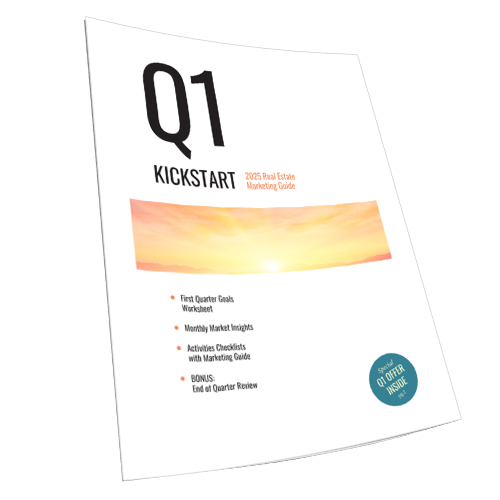
    The Q1 Real Estate Marketing Guide is shown above. For a FREE download, Click Here.
    The Q1 Real Estate Marketing Guide is shown above. For a FREE download, Click Here.

    Decide what you want to achieve with your mailers—whether it’s attracting new listings, promoting just-sold properties, or generating brand awareness.

    3. Choose the Right Message

    Tailor your postcards, letters, or newsletters to address your audience’s needs. Highlight market trends, showcase success stories, or offer a free home valuation.

    4. Invest in High-Quality Design

    Professional, eye-catching designs make a strong first impression. Use clean layouts, striking visuals, and bold calls to action. ProspectsPLUS! offers multiple postcard designs in various nitches, saving you time on your marketing campaign.

    5. Leverage Local Market Data

    Incorporate stats on home prices, days on the market, or buyer demand to demonstrate your expertise and relevance to the community.

    6. Consistency is Key

    Commit to regular mailings to build trust and familiarity with your audience. Consider setting up a monthly or quarterly schedule.

    7. Track and Adjust Your Campaigns

    Monitor your campaign’s performance by tracking response rates, leads, and ROI. Use this data to refine your strategy and improve future mailers.

    By revamping your direct mail strategy with these steps, you’ll create campaigns that engage your audience, drive leads, and position you as the go-to real estate expert in your area.


    PLUS: When you have time…below are some marketing tools to help support your success.

    1. Put Your Real Estate Business a Step Above with Your Own Branded Magazine

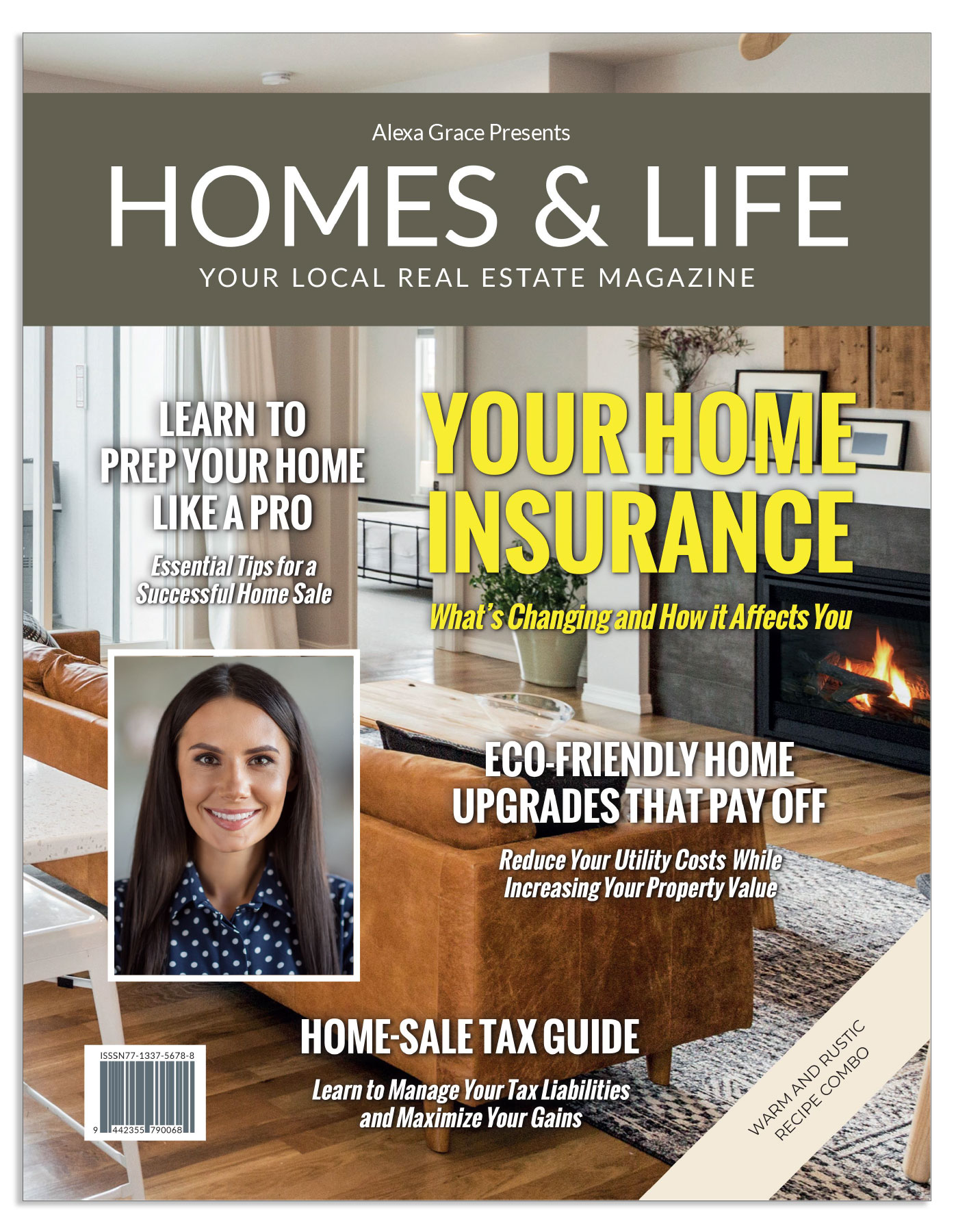
    Homes & Life Magazine is a customizable magazine with rich, full-color content and a sharp, professional aesthetic. It includes compelling, direct, response-driven articles written by real estate industry experts and engaging lifestyle content. Send out Homes & Life Magazine in Just Minutes – No Minimums Required. Or we’ll ship it to you. Homes & Life Magazine is the ultimate “Coffee Table Lingerer”! …and it costs less than sending a greeting card! – Click Here


    2. The Free Interactive 6-Month Real Estate Business Plan

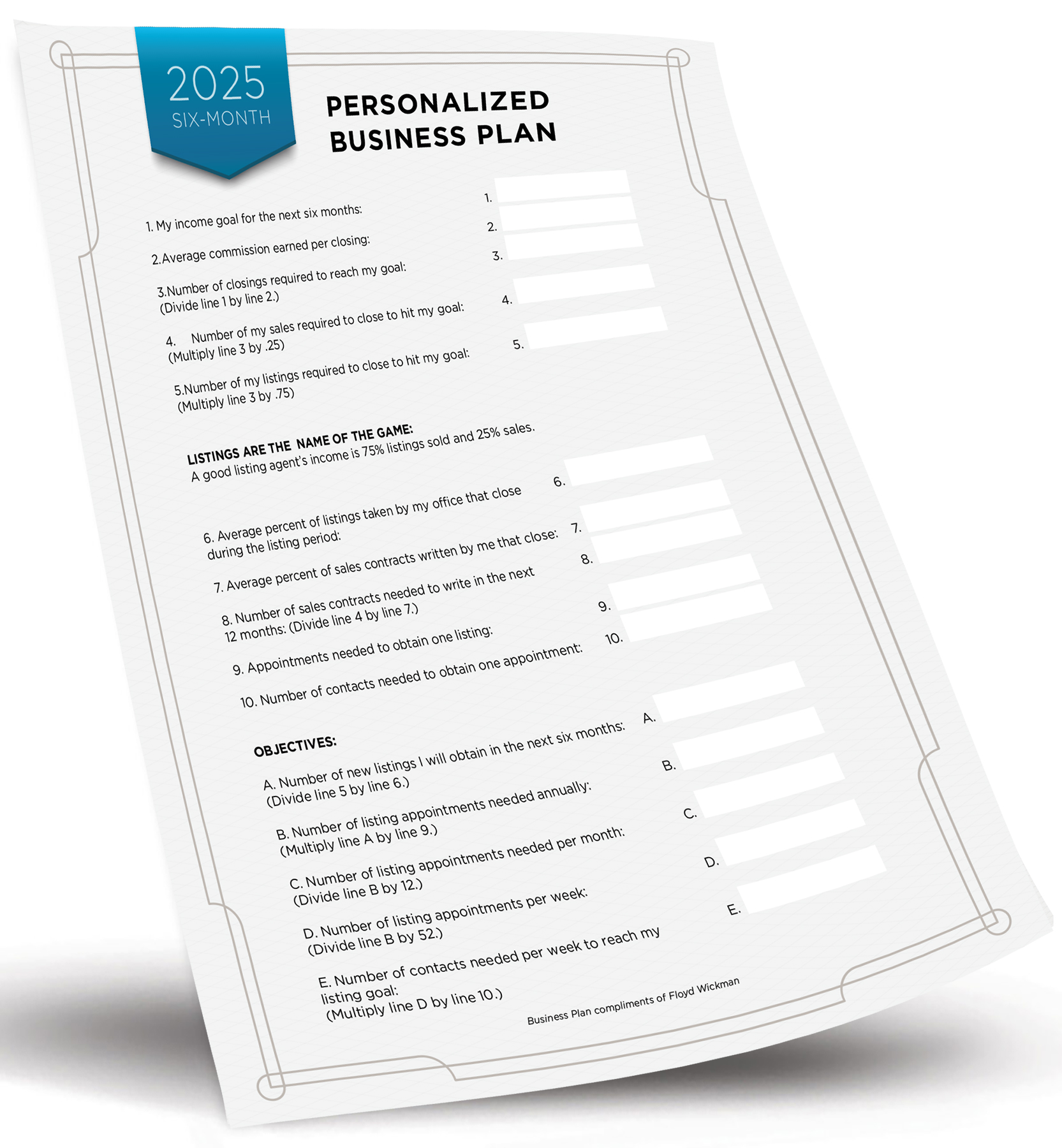
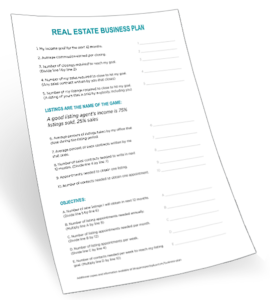
    The Free Interactive 6-Month Real Estate Business Plan allows you to enter your business goals for the remainder of the year and get a breakdown of how many prospects, listings, closings, and so on are needed to reach your goals.   – Click Here


      As the real estate market evolves, staying ahead of the competition requires fresh and creative approaches to generate listings.

      In 2025, agents who think outside the box will capture more attention and attract motivated sellers. Here are some innovative strategies to stimulate listings this year:

      1. Host Homeowner Equity Workshops

      Many homeowners are unaware of how much equity they’ve built. Host free workshops or webinars that educate homeowners on how rising home values could benefit them.

      Highlight the advantages of cashing out equity to upgrade, downsize, or invest in new properties. Providing value-first education builds trust and positions you as the go-to expert when they’re ready to sell.

      2. Create Targeted Neighborhood Market Updates

      Take hyper-local marketing to the next level by producing customized video market updates for specific neighborhoods.

      Use drone footage or short-form content to showcase local attractions, recent sales, and market trends. Post these on social media and use geo-targeted ads to ensure the right audience sees them. Personalized insights often spark interest in selling.

      The Q1 Real Estate Marketing Guide is shown above. For a FREE download, Click Here.
      The Q1 Real Estate Marketing Guide is shown above. For a FREE download, Click Here.
      3. Partner with Local Businesses

      Collaborate with popular local businesses to offer exclusive discounts or co-host events. For example, work with a landscaping company to provide free consultations for homeowners preparing to sell or partner with a home stager for a community seminar.

      Cross-promotion expands your reach and puts you in front of homeowners considering listing.

      4. Launch a “Move-Up” Buyer Program

      Target families looking to upgrade by offering a “Move-Up Buyer” program. Highlight the benefits of selling their home and transitioning to a larger property. Package this with preferred lender partnerships and exclusive listings to streamline the process and make it more appealing.

      By embracing these creative strategies, you can differentiate yourself, provide value to homeowners, and drive more listings throughout 2025.

      5. Leverage AI-Powered Predictive Analytics

      Utilize predictive analytics tools that identify homeowners most likely to sell based on key indicators like length of ownership, equity growth, or life events.

      Artificial intelligence (AI) platforms can analyze data trends to help you target potential sellers before they even consider listing. By reaching out to these prospects with personalized mailers or calls, you position yourself as the agent ready to assist when the timing is right.

      6. Create “Pre-Market” Listing Groups on Social Media

      Launch exclusive social media groups or pages for homeowners curious about listing but not ready to commit. These groups offer sneak peeks of market trends, buyer demand insights, and home preparation tips.

      By fostering a community and providing valuable content, you build relationships and stay top-of-mind, ensuring that sellers turn to you first when they are ready.

      These additional strategies will enhance your outreach and help you tap into hidden listing opportunities throughout 2025.


      PLUS: When you have time…below are some marketing tools to help support your success.

      1. Put Your Real Estate Business a Step Above with Your Own Branded Magazine

      Homes & Life Magazine is a customizable magazine with rich, full-color content and a sharp, professional aesthetic. It includes compelling, direct, response-driven articles written by real estate industry experts and engaging lifestyle content. Send out Homes & Life Magazine in Just Minutes – No Minimums Required. Or we’ll ship it to you. Homes & Life Magazine is the ultimate “Coffee Table Lingerer”! …and it costs less than sending a greeting card! – Click Here


      2. The Free Interactive 6-Month Real Estate Business Plan

      The Free Interactive 6-Month Real Estate Business Plan allows you to enter your business goals for the remainder of the year and get a breakdown of how many prospects, listings, closings, and so on are needed to reach your goals.   – Click Here

        Goodbye, 2021!

        I think 2022 is going to be an amazing year, both for real estate agents and for the rest of us.

        But it won’t be if we don’t plan. And, no, it’s not too late. Consider an old Chinese proverb:

        “The best time to plant a tree was 20 years ago. The second-best time is now.”

        So, let’s get to it.

        Go back before moving forward

        To get a clear starting point, planning for the new year requires looking back at your efforts and outcomes from last year.

        • What went well?
        • What activity should you be doing more?
        • What didn’t go well?
        • Is there a way to tweak the unsuccessful efforts or should you drop them?

        Then, take stock of your systems and tools. Are you using all of them? Could your CRM use some love? Perhaps you need to update to newer, better tools or systems.

        Money, money, money

        An assessment of your end-of-year finances, and how you got there, will be a huge help in determining what you need to do in the coming year. Look at not only your income and outgo but the number of transactions it took to bring in the money.

        Then, come up with a transaction count required to meet your 2022 financial goals. The Real Estate Business Plan is an ideal free tool to help you do this.

        It takes consistent effort to increase performance.

        Ensure you have the infrastructure, tools, and systems to support you. Then, go out and slay some real estate dragons.

        Real estate marketing tools to help you write your 2022 success plan

        1. The Free 12 Month Done-For-You Strategic Marketing Plan

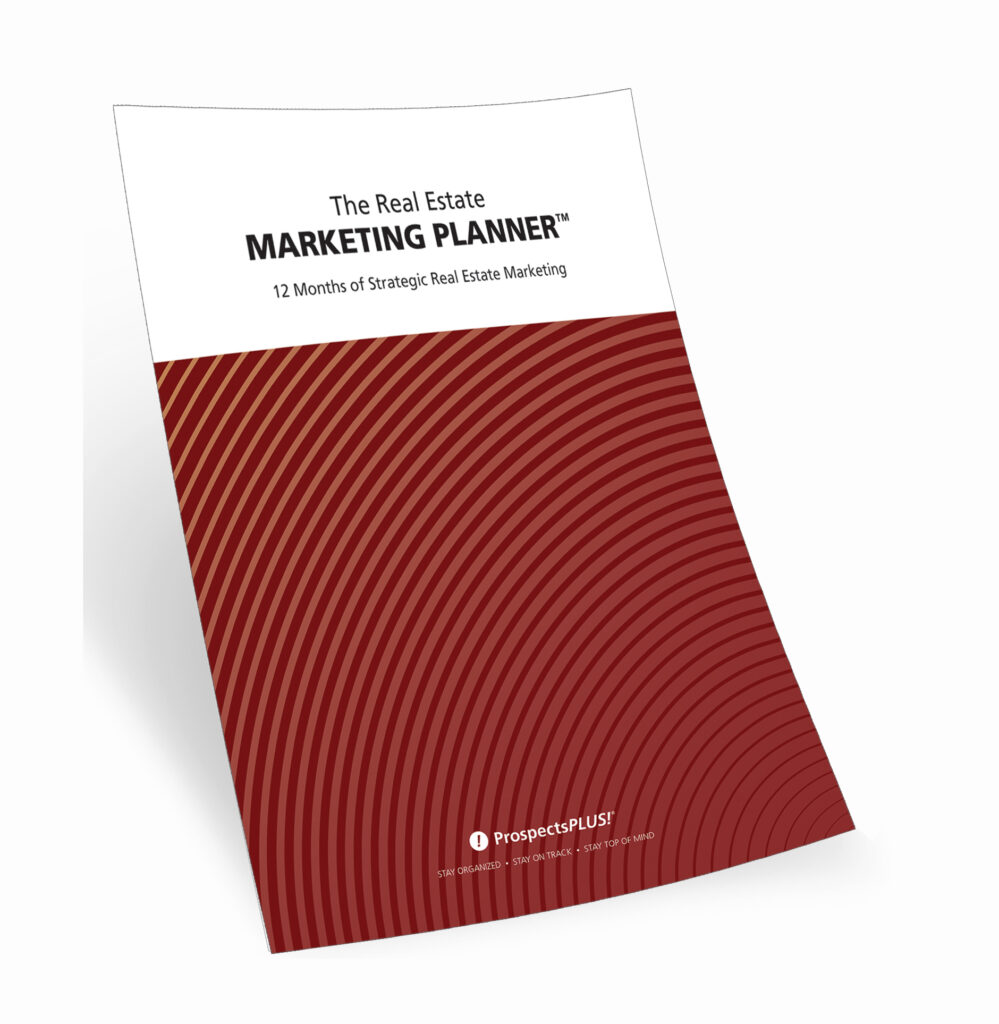
        The Real Estate Marketing Planner is a powerful 12-Month-Guide that strategically defines what marketing to do when. Four key market segments are included, niche Markets, geographic farming, sphere of influence, and past clients. – Click Here

        2. The Free Interactive Real Estate Business Plan

        The Free Interactive Real Estate Business Plan allows you to enter your business goals for this year and get a breakdown of how many prospects, listings, closing, and so on are needed to reach your goals.  – Click Here

        3. The Free Online ROI Calculator

        This image has an empty alt attribute; its file name is ROI-calculator-b-233x300.jpg

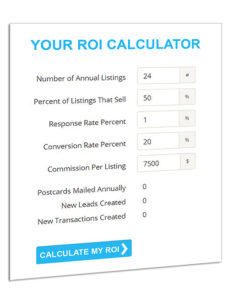
        Consistency and automation are the keys to success. Discover how effective direct mail marketing can dramatically increase your bottom line. Enter your statistics in our Free online ROI Calculator and click the ‘CALCULATE MY ROI’ button to see your results instantly! –Click Here

        4. The Become a Listing Legend Free eBook 

        This image has an empty alt attribute; its file name is Become-A-Listing-Legend-3D-Book-White-274x300.jpg

        Ready to take a vertical leap in your real estate career? If you’re looking for inspiration…and the tools and methods to dominate a market and go to the top in real estate…you’ll find them in this free book. – Click Here


          If you think that nobody foresaw the economic and emotional turmoil that the pandemic of 2020 has wrought, think again.

          A Netflix series, filmed in 2019, not only predicted a pandemic but narrowed it down to a coronavirus. To say a series titled, “Pandemic: How to Fight an Outbreak” was prophetic would be an understatement.

          Unfortunately, we’re not virologists, pulmonologists, chief science officers nor do we work in the Special Pathogens Program, so we had no clue what was coming.

          Now that we’re knee-deep in it, with a few weeks or months of not generating income, we’ve learned some hard, financial lessons.

          To avoid them in the future, we’ve rounded up some of the best advice we could find.

          Quote Series, Travel the World postcard
          Do you have a business continuity plan?

          Because agents are small business men and women it amazes me how many lack a business plan, or don’t consult the one they have.

          The business plan is the roadmap for your business and should contain a continuity plan (or, “Plan B,”) for slow periods. Pay close attention to the marketing section of the plan during this planning.

          Marketing should be one of the last tasks to cut, yet many agents slash it completely when times are tough.

          Free One Page Business Plan

          If you need help compiling a business plan, check out our Free One-Page Business Plan.

          Then, ensure that it contains a continuity plan – a document that details how your business “… will continue operating during an unplanned disruption …,” according to the pros at IBM.com.

          Ensure your plan accounts for a short-term economic slowdown as well as a major downturn.

          How’s that emergency fund?

          Good for you if you have one. Many Americans don’t. “By saving anywhere from three to six months of expenses (expert recommendations vary), an emergency fund cushions a sudden reduction or stoppage in income and gives breathing space,” according to Utpal Dholakia Ph.D., at PsychologyToday.com.

          Quote Series, Home postcard

          Start small, if you must, but direct a certain percentage of each commission check to a dedicated emergency fund savings plan. You do it for your quarterly tax payments, right? Do the same for you and your family.

          Keep filling the pipeline

          Now that you have a business plan you should be able to easily identify your marketing budget in a “Plan B” scenario.

          The least you should do under these circumstances is keep in touch with your Sphere, but it’s important to keep filling the pipeline with new leads as well.

          Yes, money is tight right now, but it’s possible to do some pretty stellar marketing at very low cost. Check out our Real Estate Marketing on a Tight Budget blog post for ideas.

          Keep your marketing messages (to both your sphere and pipeline) more helpful than salesy and as uplifting as possible. Yes, show your expertise, but in a low-pressure way.

          Need some ideas for topics?

          Lockdowns are easing at various rates across the country and agents are getting back to work.

          Don’t forget the financial lessons we’ve all learned during the crisis. Be prepared for anything.

          Quote Series, Not How Much postcard
          Send the Not How Much postcard from the Quotes Series to your Sphere.
          Let them know they’re in you’re thoughts.

          Need help targeting a specific niche of buyers or sellers? Use our prospect list tools to create the ideal list (it’s easy) or call our support team for assistance at 866.405.3638!

          PLUS: When you have time…here are some Free resources we’ve made available to support your success.

          1. The Free Real Estate Mailing List Guide

          This image has an empty alt attribute; its file name is Real-Estate-Mailing-List-Guide2-3-D-999x1024.jpg

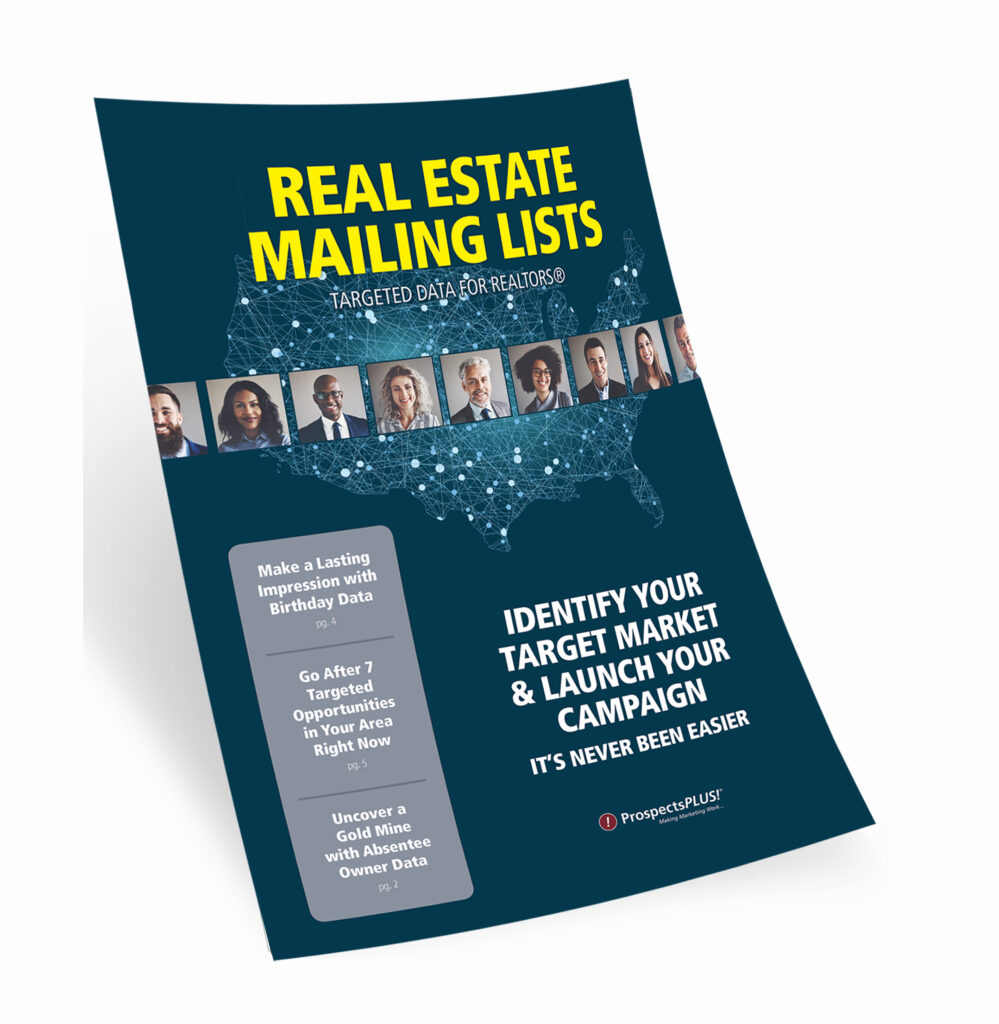
          The Real Estate Mailing List Guide outlines the top tools for generating targeted prospecting lists including Baby Boomers, Empty Nesters, Investors, Lifestyle Interests, High-Income Renters, Move-Up Markets, and more. The Guide also defines done-for-you marketing campaigns to match these markets. –Click Here

          2. The 12 Month Done-For-You Strategic Marketing Plan

          This image has an empty alt attribute; its file name is 2020-Planner-3D-999x1024.jpg

          The Real Estate Marketing Planner is a powerful 12-Month-Guide that strategically defines what marketing to do when. Four key market segments are included, Niche Marketing, Get More Listings, Geographic Farming, and Sphere of Influence. –Click Here

          3. The Free One-Page Real Estate Business Plan

          This image has an empty alt attribute; its file name is Business-Plan-3D-Book-New1-270x300.png

          Treat your business like a business it is vital to long-term success in this industry. Some agents may put together elaborate business plans, yet there’s something powerful about keeping it simple. Check out our one page Online Real Estate Business Plan.  – Click Here

          4. Become a Listing Legend Free eBook 

          This image has an empty alt attribute; its file name is Become-A-Listing-Legend-3D-Book-White-274x300.jpg

          Ready to take a vertical leap in your real estate career? If you’re looking for inspiration…and the tools and methods to dominate a market and go to the top in real estate…you’ll find them in this free book. – Click Here

          5. The Free Online ROI Calculator

          This image has an empty alt attribute; its file name is ROI-calculator-b-233x300.jpg

          Consistency and automation are the keys to success. Discover how effective direct mail marketing can dramatically increase your bottom line. Enter your statistics in our Free online ROI Calculator and click the ‘CALCULATE MY ROI’ button to see your results instantly! –Click Here

          6. The Real Estate Marketing Guide “CRUSH IT” 

          This image has an empty alt attribute; its file name is CRUSH-IT-Guide-3-d-298x300.jpg

          The “Crush It” Guide includes easy steps to launching an effective direct mail marketing campaign, how to create a targeted prospect list, the perfect way to layout marketing materials for success, seven opportunities available to target in your area right now. –Click Here