

Thursday, November 12, 2026

geographic farming

Real estate agent reviewing a for-sale-by-owner postcard draft at a desk

For sale by owner postcards give a real estate agent a practical way to reach homeowners who are selling without an agent. Choose a done-for-you FSBO postcard design, add your name and contact details, upload your own list of FSBO prospects, and place the order. ProspectsPLUS! prints the card and handles the mailing that comes with that order.

Browse FSBO postcards and get started

Start with for sale by owner postcards

The ProspectsPLUS! for sale by owner postcard collection is built for this conversation. The live series are FSBO 3 Series Postcards, FSBO 7 Postcards, and FSBO 27 Series Postcards. Each is available in Jumbo and Standard. Those numbers tell you how many postcard designs are in the series. They do not set a campaign length, a mailing schedule, or a purpose.

Open the collection and preview the designs. Pick the series that gives you the number of designs you want on hand, then pick a size. The designs already follow real estate marketing best practices for this niche, so you choose a finished look instead of building a layout. Each design also includes professionally written marketing copy. You can use that copy as written. Adding a new headline, a new offer, or a different message on every card is optional.

Use the card to get a foot in the door, not to argue with the owner’s choice. A useful first message might offer a seller-prep checklist, a second set of eyes on showings, or a no-pressure conversation about what happens if the home does not sell. One clear offer is easier to answer than a list of every service you provide. Personalize your name, photo, brokerage, and phone number so the owner knows who sent the card.

What you choose What it does A practical pick
FSBO design series Gives you a done-for-you set of postcard designs for owners selling on their own. FSBO 3 has 3 designs, FSBO 7 has 7, and FSBO 27 has 27. Pick the number of designs you want available.
Size Sets the postcard format. Standard or Jumbo. Both sizes are in the collection. Preview them and choose the one that fits the message.
Your FSBO mailing list Decides which sellers receive the card. ProspectsPLUS! does not sell an FSBO list. Upload your own current list of FSBO prospects in the area you already serve.
Order type Decides whether the cards are mailed to sellers or shipped to you. A mailed order when you want ProspectsPLUS! to print, address, and send them.

Send for sale by owner postcards to the sellers you already know

For sale by owner postcards work best when they go to people who are actually selling without an agent. That is a different job from a geographic farm. A farm keeps your name in front of a neighborhood over time, whether or not anyone there is selling this month. An FSBO mailing is aimed at owners who have already put a home on the market themselves.

ProspectsPLUS! does not sell FSBO mailing lists. You upload your own list of FSBO prospects when you order. Build that list from the for-sale-by-owner signs, ads, and listings you already watch in the towns you serve. Then update it. Take a home off the list when it sells, lists with an agent, or comes off the market. That update keeps later cards useful.

Keep the group small enough that you can answer the phone when someone replies. An agent who works one side of a county might mail the active FSBO sellers in two or three towns. If a broader neighborhood campaign is also part of your plan, keep it separate. Use a geographic farming postcard for a neighborhood message, and use the FSBO collection for the owners who are selling now.

Here is a simple way to set the first order:

  1. Open the FSBO postcard collection and preview FSBO 3, FSBO 7, and FSBO 27.
  2. Choose one series and a size. The number is only the count of designs in that series.
  3. Add your name, photo, and phone number. Leave the professionally written copy in place, or edit it if you want to.
  4. Upload your own FSBO mailing list for the area you serve.
  5. Choose a mailed order so printing, addressing, and postage are part of the order.
  6. Place the order online, then watch for calls, texts, and email replies.

Personalize the design without rewriting every card

The done-for-you design already handles the look and the marketing copy. Your job is to make the card sound like it came from you. Put your name and brokerage on it, add your photo and phone number, and tell the owner exactly how to reach you. You do not have to write a new headline, invent an offer, or create a separate message for every card in the series.

If you do want to adjust the wording, keep the change small and useful. A practical line can say: “Selling on your own? I can share a short checklist for getting the home ready for buyer visits. Call or text me if you would like a copy.” A later card can stay with the included copy. You can also add one new note, such as an offer to talk through questions that come up after the first showings.

Match any optional note to a real situation. An owner who just posted a listing may want showing advice. An owner who has been on the market for several weeks may want a fresh look at the marketing. An owner whose home has gone quiet may welcome a conversation about listing it with an agent. You are offering help, not delivering a verdict on their decision.

Keep the wording respectful and specific. Do not imply that you already represent the home, and do not promise a price, a buyer, or a sale date. If a reply turns into a real conversation, that is the moment to talk about the property. The postcard only needs to earn that conversation. For more ways to turn attention into listing appointments, see this guide to getting more listings.

Keep the follow-up useful and the list current

One postcard can introduce you. More than one card can give the owner another chance to notice you while the home is still for sale. How often you mail, and how long you keep mailing, is your choice. It is not set by the series name. FSBO 3, FSBO 7, and FSBO 27 only tell you how many designs are in the set. You decide which designs to use and when to send them.

Stay in touch because a seller’s needs change. The first week, the owner may want to handle everything. A few weeks later, showings may have slowed or an offer may need a second opinion. The owner may also be ready to talk about representation. A steady, useful message is how you stay familiar until that moment. Honor any request to stop.

Think of the cards as a relationship, not a countdown. One card introduces you and can point to a checklist. Another can share one practical tip for the next showing. A later card can invite a conversation if the owner wants another perspective. You do not need a new strategy for every piece, and you do not need new copy for every piece. You need the next helpful note, sent to people who are still selling on their own.

Update the list before each send. Add new FSBO prospects you have found, and remove homes that sold, listed with an agent, or left the market. If you also farm a neighborhood, keep that campaign on its own track. The farm builds name recognition with homeowners who may sell someday. The FSBO cards speak to owners who are selling now. Mixing the two makes both messages less clear. A separate note on planning consistent touchpoints can help you decide how often each campaign should go out.

Track inquiries, appointments, and listing agreements

Give every card a response path you can recognize. A dedicated phone number, a short text line, or a reply email makes it easy to tie a call back to the mailing. When someone responds, note the date, which card they mentioned, and what they asked for.

Track four things after each send:

  • Inquiries. Calls, texts, and emails that mention the postcard or the offer.
  • Appointments. Conversations you book to review the home, the marketing, or an offer.
  • Listing agreements. Owners who later choose you to represent the sale.
  • Campaign cost. The order total for that send, so you can compare it with the conversations it started.

A simple sheet is enough. Write down the series, the towns on your list, the quantity, the cost, and the replies. Review the sheet before you reorder so the next card builds on what people actually asked. The numbers on that sheet are your own results. They are not a forecast, and they are not a typical outcome.

Use the notes to choose the next message, not to judge a single card too quickly. If several owners asked for the checklist, keep that offer and send another card. If calls came from one town and not another, adjust the list you upload next time. The record shows which choices are earning conversations. For a wider look at how mail fits the rest of your prospecting, read about organizing real estate lead generation.

Place the order in one short pass

Choose a done-for-you FSBO postcard design, personalize your information, upload your own FSBO mailing list, and pick how you want the cards handled. A mailed order includes printing, addressing, and postage, so the cards go to the homeowners. A shipped order comes to you when you want cards on hand for an open house, a listing presentation, or a showing.

Quantity, size, mail class, and postage all affect the order total. You will see those choices before you check out. The postcard pricing page shows how mailed and shipped totals change with quantity and size. You do not need to research postal rules or design a layout. Pick the series, upload your list, and place the order. If you want a person to walk through it, call (866) 405-3638 and the support team can help.

A clean first order looks like this. An agent opens the FSBO postcard collection, previews the designs, and picks one series in Standard or Jumbo. The agent adds a name, a photo, and a phone number, leaves the included copy in place, and uploads a current list of FSBO prospects. ProspectsPLUS! prints and mails that order. The agent then answers replies and updates the list before the next card.

Put the next for sale by owner postcard to work

The easy path is the one the collection was built for. Choose a done-for-you FSBO postcard design, personalize your details, upload the sellers you want to reach, and let ProspectsPLUS! handle printing and mailing. Then follow the replies into real conversations about representation.

Open the FSBO postcard collection, compare FSBO 3, FSBO 7, and FSBO 27, and get started online. If you would rather talk it through first, call (866) 405-3638. Either way, the next step is a finished card in front of an owner who is selling on their own.

Frequently asked questions

What are for sale by owner postcards?

They are postcards an agent sends to homeowners who are marketing a property without an agent. The ProspectsPLUS! FSBO collection gives you done-for-you designs with professionally written copy. You personalize your information, upload your own list, and order the cards mailed or shipped.

What do FSBO 3, FSBO 7, and FSBO 27 mean?

The number is only the count of postcard designs in that series: 3, 7, or 27. It does not set how long to mail, how often to mail, or what the campaign is for. Preview the series in the collection and choose the number of designs you want available.

Does ProspectsPLUS! sell an FSBO mailing list?

No. ProspectsPLUS! does not sell FSBO mailing lists. You upload your own list of FSBO prospects when you order, and you update that list when a home sells, lists with an agent, or leaves the market.

Do I have to rewrite the postcard copy?

No. The designs include professionally written marketing copy. Add your name, brokerage, photo, and phone number. Rewriting a headline, an offer, or the message on each card is optional.

How should I measure an FSBO postcard campaign?

Track inquiries, appointments, listing agreements, and the cost of the order. Use a phone number or reply path you can recognize so each response ties back to the card. Those notes are your own results. They show which message and list are earning conversations, and they are not a promised outcome.

Browse FSBO postcards and launch a campaign, or call (866) 405-3638 if you want help placing the order.

Real estate agent reviewing a printed property marketing brochure at a desk

Real estate brochures give an agent room to explain a property, a service, or a neighborhood without building a design from scratch. ProspectsPLUS! already has done-for-you templates for real estate niches, written around marketing design practices agents use every day. You choose a template, add your details, pick whether it is mailed to recipients or shipped to you, and place the order. Printing and the fulfillment included with that order are handled for you.

Browse the real estate brochure collection and start an order. Phone help is available at +1-866-405-3638 if you want it.

Start with the job the brochure needs to do

A useful piece has one job. It might introduce how you work in a neighborhood, walk a buyer through a home, or give a seller a clear next step. Write that job in one sentence before you open the catalog: this piece will help a specific reader understand one point and take one next step.

That sentence tells you which template fits. A buyer comparing a home needs property detail. An owner who has never listed with you needs a reason to start a conversation. A past client needs a reminder that you are still the agent to call. One audience and one point keep the piece easy to use.

You do not research a layout or plan panels. The templates already organize the message. Your job is to pick the collection that matches the conversation you want, then personalize it with current facts, photos, and your contact details.

Choose a done-for-you real estate brochure template

The real estate brochures page is the fastest place to start. Templates are free to browse, and the copy was written by real estate professionals for real estate professionals. You personalize a finished design instead of building one.

Named series on that page include FSBO – First Aid Brochures, Luxury Brochures, Selling Your Home Brochures, and Timing Is Everything Brochures. Use them when the series name matches the conversation. For a tighter niche, open the matching collection and order from there:

Other niches live on the parent template pages when a brochure-only filter is not published. Seller templates, geographic farming templates, sphere of influence templates, and niche market templates are the right doors for those audiences. Open the collection, choose a brochure template, and personalize it.

Personalizing is straightforward. Add the property facts, your photo, your phone number, and the one action you want. Read the finished piece once in the order a recipient will see it. If the subject and next step are obvious, it is ready to order.

Match the format to how the reader will use it

Brochures and postcards are formats. A repeated mail campaign is a strategy that can use either format over time. Pick the format for this send, then decide later whether that audience should hear from you again.

Choice What it is Best used when What you do in the order
Brochure. A print format with room for several related points. A property, service, or process needs more than one short idea. Choose a template, personalize it, then mail it or ship it to yourself.
Postcard. A print format built for one quick message. You want a single announcement or reminder that is easy to scan. Choose a postcard template and place that order the same way.
Repeated mail campaign. A strategy, not a paper format. You want the same audience to hear from you on a schedule. Pick the format for each touch and keep the sequence going.

Use the comparison once, then stay with brochures if that is the piece this job needs. A brochure can introduce you, explain a listing, or support a meeting. A postcard can carry the short reminder between those longer pieces. ProspectsPLUS! prints both, so you are not choosing a vendor. You are choosing the amount of room the message needs.

Use brochures in person and in the mail

A brochure is not only a mail piece. The same template can support the conversations you already have in person.

  • Open houses. Set out an open house brochure so visitors can leave with features, photos, and your contact details.
  • Listing presentations. Bring a short brochure that shows how you market a home, then leave it with the seller.
  • Property showings. Hand a feature property brochure to buyers who want more than the listing sheet.
  • Sphere conversations. Keep a few personalized copies for past clients and the people who refer you. The sphere of influence templates are built for that relationship.

For in-person use, order the brochure shipped to you. For a neighborhood, a buyer list, or another selected audience, order it mailed to recipients. One template can do both. You simply choose the fulfillment that matches where the piece needs to go.

Choose mail or ship when you place the order

The ordering choices are simple, and they live on the product page. You do not confirm dimensions, look up mailing rules, or sort out postal routes. ProspectsPLUS! built those decisions into the formats you can order.

Published brochure formats are a bi-fold at 8.5 by 11 inches, a tri-fold at 10.5 by 15 inches, and a larger bi-fold at 11 by 17 inches. Paper choices are 100# text heavyweight paper and 100# cover cardstock. Pick the fold and paper that fit the template, then choose who receives the finished pieces.

Mailed to recipients. Choose this when ProspectsPLUS! should print, address, and send the brochures. Mailed brochures include addressing, full tracking, and postage. During checkout you choose First Class or Standard Class from the options shown for that quantity. Targeted mailing lists and a list you upload are both available when you do not want to build the audience yourself. Pricing varies by quantity, size, mail class, and data selections, so use the brochure pricing on the order rather than a single flat rate.

Shipped to you. Choose this when you want the brochures in your hands. Shipped orders come to you for open houses, listing presentations, showings, and your own handoffs. The pricing page lists shipped bi-fold and tri-fold sizes separately from mailed sizes, including a tri-fold at 11 by 8.5 inches and a bi-fold at 17 by 11 inches. You are paying for printed pieces delivered to you, not for postage to a mailing list.

That split is the whole fulfillment decision. Mail it if recipients should get it at home. Ship it if you will hand it out. Either way, production is part of the order.

How ProspectsPLUS! keeps the work small

Agents often picture direct mail as a stack of chores: design, print, lists, postage, and delivery. The ProspectsPLUS! order removes that stack. The template, the print, and the fulfillment option you select are one checkout.

  1. Pick the collection. Start at the brochure collection or a niche page such as buyers, open houses, featured properties, expired listings, or for-sale-by-owner.
  2. Choose the template. Select a done-for-you design whose message already fits the audience.
  3. Personalize it. Add your branding, the current facts, and one clear next step.
  4. Choose mail or ship. Mail to recipients when the list should receive it. Ship to yourself when you will use it in person.
  5. Place the order. Printing and the included fulfillment happen from there. If you want a person to walk through the choices, call +1-866-405-3638.

Listing Lens AI℠ can help before you order a property brochure. It is a way to see which homes are more likely to sell, so you can put a feature-property or listing brochure behind a home that deserves the extra page. Use it as a picking tool, then send the matching template through the same order path. It does not replace the brochure. It helps you decide which property gets one.

A repeated campaign uses the same path more than once. The postcard campaigns page is for scheduled touches. A brochure can be the deeper piece in that plan, mailed when you have a property or service to explain, while shorter postcards keep you visible between those sends. For how often to stay in touch, this guide to planning a direct-mail send and this look at farming with a clearer audience sit next to the order, not in place of it.

Track inquiries, appointments, and listings

After the pieces go out, track the actions you can see. Mailed brochure orders include full tracking, so you can confirm the mailing moved. Then record what happens in your own pipeline.

  • Inquiries. Note calls, form fills, and replies that mention the piece or arrive from the audience you mailed.
  • Appointments. Count listing conversations, buyer meetings, and showing requests that follow the drop or the open house.
  • Listings. Mark new listings and signed clients tied to that audience so the next order is easier to choose.

Keep the notes short: campaign name, audience, template, mail or ship, send date, quantity, and the responses you can identify. Those notes tell you whether to repeat the template, switch niches, or change the list. One mailing is a start. A simple record makes the next order faster.

Common mistakes when ordering brochures

Designing the piece from a blank page. The catalog already has niche templates. Choose one and personalize it.

Writing to everyone at once. Pick buyers, sellers, a featured home, an expired listing, or your sphere. The matching collection is already sorted that way.

Mixing up mail and ship. Mailed brochures go to recipients with addressing, tracking, and postage. Shipped brochures come to you for in-person use.

Using a brochure for a one-line announcement. If the reader only needs a quick notice, a postcard is the shorter format. If they need the story, stay with the brochure.

Stopping after a single send. Save the audience and the response notes, then place the next order when you have another useful point to share. A practical touchpoint plan shows how those repeats fit together.

Ready to pick a design? Open the brochure collection and begin an order. Call +1-866-405-3638 if you would rather have help choosing.

Frequently asked questions

How do I order real estate brochures without designing them myself?

Open the ProspectsPLUS! brochure collection, choose a done-for-you template for your niche, and personalize it with your details. Then select mailed-to-recipients or shipped-to-you and place the order. You are not starting from a blank layout.

Should I mail brochures or have them shipped to me?

Mail them when a list should receive them at home. Mailed brochures include addressing, full tracking, and postage. Have them shipped to you for open houses, listing presentations, showings, and other handoffs. The pricing page lists mailed and shipped sizes separately.

Which brochure template should I use?

Match the template to the conversation. Feature property and open house collections fit homes you are showing. Buyer, expired listing, and for-sale-by-owner collections fit those owner and buyer conversations. Seller, geographic farming, sphere, and niche templates cover the broader audiences.

How much do real estate brochures cost?

There is no single price. Published pricing changes with quantity, fold size, paper, mail class, and whether the order is mailed or shipped. Review the brochure section of the pricing page while you build the order so the quote matches your choices.

Can a brochure be part of a repeated mail plan?

Yes. A brochure is the format for a message that needs more room. A repeated mail campaign is the strategy of contacting the same audience again. Use a brochure when you have a property or service to explain, and use postcards for the shorter touches between those sends.

Pick a template and place the order

Real estate brochures are easy to put to work when the template, the audience, and the fulfillment are chosen in one place. ProspectsPLUS! makes professional real estate direct mail easy: choose a done-for-you template, personalize it, select mail or ship, and let the order cover production and the fulfillment included with it.

Start in the brochure collection, or call +1-866-405-3638 if you want help matching a template to the audience. The online catalog is the next step. The phone line is there when you want a person.

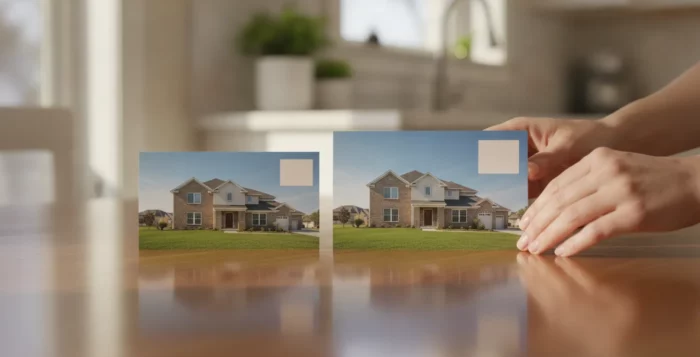
Real estate agent comparing two printed postcards on a kitchen table

Real estate mailers that work make the next step easy for the right audience. The strongest pieces usually combine one clear campaign goal, a useful offer, a format that fits the message, and follow-up that keeps the campaign organized. You do not need to start with a blank page or manage production yourself. With ProspectsPLUS!, you can choose a professionally written and designed real estate template, personalize the details, and place an order for the campaign you want to run.

Browse real estate postcard designs and start an order

What makes real estate mailers work?

A useful mailer gives the recipient a reason to look, a reason to remember the sender, and a clear way to respond. That does not mean every piece needs a dramatic promise. It means the message should be specific enough for the recipient to understand what the agent is offering and why it may be relevant to them.

Begin with one campaign job. A just-listed mailer can introduce a new property to nearby households. A just-sold mailer can share a real neighborhood milestone and invite a conversation. A geographic-farming piece can give residents a helpful local reason to remember the agent. A sphere message can keep an existing relationship active without sounding like a generic advertisement.

Once the job is clear, align four decisions:

  • Audience: Who can use or appreciate this message?
  • Offer: What can the recipient ask for, view, or discuss?
  • Format: What presentation gives the message enough visibility and room?
  • Follow-up: What will the agent do when someone responds, and how will the campaign be reviewed over time?

These decisions work together. A well-written offer is more useful when it reaches an audience that can act on it. A strong design is easier to evaluate when it has a specific job. A follow-up plan helps an agent learn from responses without assuming that one mailing or one quiet period tells the whole story.

Choose a mailer format that fits the campaign

Postcards are a practical choice when an agent wants the message to be visible quickly and easy to scan. A standard postcard can carry a listing announcement, a recent-sale message, or a concise neighborhood prompt. A larger postcard can provide more visibility as well as more space for a property image, supporting details, or a stronger visual hierarchy. The right choice depends on what the recipient needs to understand, not on a rule that one size is always better.

Brochures and magazines can make sense when the recipient needs more context or when the agent wants to share several related pieces of information. A brochure may also be useful in person at an open house, listing presentation, or property showing. A postcard, brochure, magazine, or other printed piece is a format. A recurring campaign is the strategy that determines how a chosen format is used over time. Keep those decisions separate so the format does not carry more copy than the reader needs.

Mailer format or approach When to use it
Standard postcard Use for one listing announcement, sale update, or concise local message. Track inquiries and the campaign source.
Larger postcard Use when a property image or message needs more visibility. Track the response before changing the creative.
Brochure or magazine Use for more detail or an in-person handoff at a showing or presentation. Follow up with people who request information.
Recurring campaign Use to stay visible with one defined audience over a planned series. Review responses, appointments, and listing conversations.

ProspectsPLUS! provides real estate designs for campaign goals such as just listed, just sold, geographic farming, and sphere outreach. Start with the collection that matches the job instead of asking one generic piece to speak to every audience. You can browse just-listed and just-sold postcard designs when the campaign is tied to a listing milestone.

Build an offer people can understand

An offer is the useful reason to respond. It can be an invitation to ask about a nearby listing, a request for a local market question, an opportunity to discuss preparing a home, or a simple prompt to view more information online. It does not have to be a discount, a complicated promotion, or a promise of a particular result.

Use these questions to shape the offer:

  • What does the recipient receive? Name the information, conversation, or next step in plain language.
  • Why is it relevant now? Connect the offer to the listing, sale, neighborhood, season, or relationship.
  • What is the easiest response? Give one main action, such as visiting a page, calling, or asking a question.
  • Does the destination match the promise? A postcard about a listing should lead to that listing or a relevant property page, not an unrelated general page.
  • Are the terms clear? State important limits or timing when they affect what the recipient can request.

A just-listed offer might invite the reader to request property details or view the listing online. A just-sold offer might invite homeowners to discuss what a recent neighborhood sale could mean for their own plans. A farming offer might answer a common local question or offer a conversation about preparing for a future move. A sphere offer can be warmer and more personal because the audience already has a relationship with the agent.

Keep the claim within what the agent knows. Do not suggest that a selected homeowner is ready to sell, imply a guaranteed value, or promise a listing, lead, profit, or response rate. A specific, supportable invitation is more welcoming than a claim that asks the reader to accept too much.

Use professionally designed templates to simplify the process

Effective direct mail does not require an agent to write every line, lay out every panel, or produce a piece from scratch. A done-for-you template can provide the structure, visual balance, and campaign language needed to get started. Personalization still matters: add the agent’s name, contact details, listing information, local context, and the call to action that fits the campaign.

That division of work keeps the agent focused on the decisions that require local knowledge. Choose the audience, select the campaign goal, personalize the relevant details, review the proof, and place the order. The professional design does the heavy lifting on presentation while the agent makes the message specific to the people receiving it.

When reviewing a template, look for a clear hierarchy rather than trying to fill every available space. The recipient should be able to see the main point, identify the sender, and understand the next action quickly. Use one primary offer. A secondary contact option can help, but several competing calls to action make the piece harder to act on.

ProspectsPLUS! offers campaign options for real estate agents so you can move from a campaign idea to a relevant design and order path. Choose a template that fits the audience and personalize it with information the recipient can use.

Make scheduled campaigns easier to manage

Scheduling can make consistent marketing easier without requiring you to remember every future mailing. Choose the campaign, select the audience and timing, and let the scheduled plan keep the work moving while you focus on listings and clients. ProspectsPLUS! scheduled campaigns are pay as you go: you only pay when a mailing goes out, with no upfront charges for future mailings.

You can cancel, change, or pause future mailings at any time without a penalty. If you want a change to affect the next send, make it before the scheduled mailing cutoff shown in your account. That flexibility lets you adjust the audience, timing, or message when your business changes instead of staying locked into a plan that no longer fits.

Use the professionally written copy in the template as the easy default. The copy is ready to retain, so you do not have to invent a headline, offer, or call to action before you can order. Changing those elements is optional: personalize the name, listing details, local context, or response path when useful, and leave the existing copy in place when it already fits the campaign. The template and schedule do the routine work; your judgment stays focused on choosing the right audience and campaign goal.

Explore scheduled campaign options to choose a professionally designed series that fits your audience. You can start with the existing copy, customize what matters, and pause or adjust future mailings as your priorities change.

Match the audience to the message

A mailer is easier to evaluate when the audience and offer make sense together. A property announcement belongs with people who may reasonably want to know about that property. A neighborhood message should be relevant to the area receiving it. A sphere message should sound like a relationship update rather than a cold introduction.

Do not treat every recipient as if they have the same history with the agent. A person who received an earlier postcard is not automatically an established customer or an existing contact. Keep records and permissions accurate, and describe the relationship honestly. Existing contacts and prospect audiences can both be valuable, but they call for different wording and expectations.

For a broad neighborhood campaign, use a message that most households can understand. For a more defined audience, use the information available to make the offer more relevant. In either case, avoid assumptions about a recipient’s plans, finances, or readiness to move. Relevance comes from the campaign message and the reason for contact, not from claiming to know a homeowner’s intent.

ProspectsPLUS! also offers geographic-farming campaign options for agents who want to build recognition in a defined area. A farming campaign is not a promise that every recipient will respond. It is a way to organize consistent, useful local messages for an audience the agent has chosen to serve.

Plan follow-up around the response you want

Follow-up starts before the mailer is ordered. Decide what will happen if someone calls, visits the page, scans a code, asks for information, or starts a conversation. Test the response path, make sure the person handling inquiries has the campaign details, and record which mailer prompted the response.

  1. Prepare the next step. Make sure the phone number, page, form, or other response option works and reflects the offer on the mailer.
  2. Record the campaign. Note the audience, offer, format, send date, and response channel so the results are not mixed with another campaign.
  3. Respond to the actual question. If the recipient wants listing details, provide listing details. If they ask about a neighborhood sale, answer that question before introducing another service.
  4. Respect the relationship. Follow up in a way that fits the available permissions and contact preferences. Helpful communication is more valuable than repeating the same pitch.
  5. Review over time. Look at inquiries, page visits, appointments, and listing conversations connected to the campaign. Use what you learn to refine the offer, audience, or format.

A single Just Listed or Just Sold mailing can generate a response, especially when the message is timely and relevant. Repeated outreach can also support recognition, particularly for geographic farming and relationship-based campaigns. Treat a series as a way to learn and stay visible, not as a universal requirement or a guarantee that a certain number of touches will produce a result.

The ANA’s 2023 Response Rate Report is useful industry context for thinking about direct-mail measurement, but broad benchmarking is not a prediction of real estate postcard performance. Track the action your own mailer requested and compare campaigns using the same definitions.

Review the campaign without overreacting

Give the campaign enough structure to learn from it, while recognizing that no universal cutoff can diagnose every mailing. Review the message, audience, format, and follow-up together. If people respond but ask a different question than the mailer anticipated, clarify the offer. If the page receives visits but few conversations, improve the next step. If the audience is not a fit, adjust the audience before assuming that direct mail itself is the problem.

Change one important variable at a time when practical. Keeping the offer steady while testing a different audience can answer a different question than keeping the audience steady while testing a new format. Record the change and the result. This makes the next decision more useful than relying on a general feeling about whether mail “works.”

Choose a campaign rhythm that fits the goal and the agent’s capacity. A one-time listing announcement, a relevant just-sold follow-up, and an ongoing farm can all be appropriate. Monthly outreach may suit one farm, while a different campaign may use another verified schedule. The important point is to choose a plan the agent can manage and connect it to a clear audience and offer.

When you are ready to move from planning to ordering, explore real estate direct-mail options and select the design or campaign that matches the job. ProspectsPLUS! helps agents choose a professional template, personalize the message, and place an order without taking on unnecessary production work.

Launch a campaign with a done-for-you real estate mailer or call (866) 405-3638 for help choosing an option.

Frequently asked questions

What type of real estate mailer should an agent try first?

Start with the campaign goal and audience. A just-listed or just-sold postcard fits a specific listing milestone, while a geographic-farming or sphere campaign supports ongoing recognition. Choose a professionally designed template you can personalize and order, then prepare the response path before the piece goes out.

What should a real estate mailer offer?

Offer one useful next step that matches the message. That could be property information, a local market conversation, a question about preparing a home, or a relevant page to visit. Keep the offer specific and supportable, and avoid implying that the recipient is ready to sell or promising a particular result.

Are larger postcards better?

Not always. A larger postcard can provide more visibility and more room for a strong image or supporting detail. A standard postcard may be the better fit for a concise announcement. Choose the format that helps the recipient understand the offer quickly.

How often should an agent send real estate mailers?

It depends on the campaign goal, audience, and schedule the agent can manage. A one-time Just Listed or Just Sold mailer can be timely, while a farming or sphere campaign may use a recurring series. Review responses over time rather than treating a single mailing or a universal number of touches as the answer.

Do agents have to design real estate mailers from scratch?

No. Professionally written and designed templates can simplify the process. The agent can choose a relevant campaign, personalize the name and local details, confirm the offer and response path, and place the order without taking on all the copywriting, layout, and production work.

Real estate agent reviewing a postcard campaign at a desk

Real estate mailers keep your name in front of the people who already know you and the neighborhoods you want to work. ProspectsPLUS! makes that simple. You choose a professionally designed template, personalize it, pick who should receive it, and order printing and mailing. Production, and the mailing included with that order, is handled for you.

Get started with a mail campaign

What should real estate mailers accomplish?

Give each piece one job. A just-listed postcard tells nearby households a home is available. A just-sold mailer shares a local result and opens a conversation with owners who may be thinking about a move. A farming series builds recognition over time. A note to your sphere gives people who already know you a useful reason to stay in touch.

The job decides the words. A listing card should show the property, the price, and one way to ask a question. A just-sold card should share the result and invite a local conversation, not a list of every service you offer. A farming piece should feel like the next note in a series the neighborhood already recognizes. A sphere piece can be warmer, because those readers already know your name.

Pick one next step for the reader. That might be a request for a home-value conversation, a visit to a listing page, or a simple reply. One clear invitation is easier to answer than a card that tries to say everything.

Who should receive the mailer?

Choose the people before you choose the design. A listing announcement usually goes to households around that property. A farming campaign goes to a neighborhood you want to stay visible in. A sphere mailing goes to people already in your contact file, such as past clients and the people they refer.

Those are different lists, and they should stay that way. Neighbors around a new listing want the property. A farm wants a steady presence on the same streets. Your sphere wants a personal note, not a card written for strangers. Mixing those messages is how a good mailer gets ignored.

ProspectsPLUS! targeted mailing lists let you select recipients by area and by the kind of household the campaign is meant to reach. You can also upload a list you already have. On a geographic farming campaign, you can build the list with a radius or a pinpoint search, include or exclude streets, and preview the records before you launch. The choices sit inside the order. You are not sent off to research the mailing on your own.

Which campaign fits the moment?

Agents mail for more than one reason, so the useful choice is the campaign, not a blank design. ProspectsPLUS! groups ready campaigns by the job they do. Each one starts from a template built for real estate, including designs for specific niches, so the piece already looks like it belongs in an agent’s mailbox.

When this is the job. A campaign that fits. What you do.
A home just came on the market Just listed postcard Personalize a listing template and mail it nearby.
A sale just closed Just sold postcard Share the result with a neighborhood message.
You want recognition on certain streets Geographic farming series Choose a farming campaign and stay visible.
You want to stay close to people you know Sphere of influence series Pick a ready theme and mail your contacts.

A just-listed template already has a place for the photo, the price, and your contact line. A just-sold template is written around the result and the neighborhood. A farming series repeats a look the street will recognize, with a new useful message each time. A sphere series uses themes written for people who already trust you, such as a monthly note rather than a cold announcement.

Picture a street where you want the next listing. This month the card can be the home you just sold two blocks away. Next month it can be a short note for owners who have lived there for years. Both pieces come from templates. You are not inventing a theme, a font, or a layout the night before. You add the local detail and send the campaign on.

Start with the collection that matches the job. Browse just-listed and just-sold postcards for a listing milestone. Open geographic farming campaigns for a neighborhood series. Use sphere of influence postcards for people who already know you.

Which postcard format fits the message?

Once the campaign is clear, the format is a size choice. ProspectsPLUS! prints postcards in five sizes. You match the space to the message instead of designing a piece from scratch. The cut sizes below are the finished card.

  • Standard, 5.5 by 4.25 inches: A short announcement, such as a photo, a price, and one invitation.
  • Jumbo, 8.5 by 5.5 inches: A listing story that needs a larger photo and a few details.
  • Panoramic, 11 by 5.5 inches: A wide property photo or a street scene that should stretch across the card.
  • Mega, 11 by 8.5 inches: Room for a featured home, a short local note, and your contact details.
  • Super Mega, 15 by 12 inches: A large piece for a message you want noticed in the mailbox.

A larger card is not automatically better. A just-listed announcement is often clearer on a standard or jumbo card, because the reader only needs the photo and one next step. A farming piece that includes a short local note may need the mega size so the type stays easy to read. A panoramic card earns its width when the photo is the message, such as a wide view of the property or the block.

Templates are already laid out for these sizes. Many are built for a specific niche, so a luxury listing, a first-time buyer area, or a farm of longtime owners does not have to start from a generic frame. You personalize the wording and the photos. You do not build the layout, pick the type, or invent a theme for each month.

How do scheduled campaigns keep you visible?

A single postcard is one touch. A scheduled campaign is how you stay visible without rebuilding the plan before every mailing. You choose the series once. The later cards go out on the schedule you set, using the template and the list already on the campaign.

On a ProspectsPLUS! geographic farming campaign, you choose the list and the series, and you pay when a mailing goes out. You can cancel or make changes up to the night before the next card is scheduled to mail. You do not have to manage the schedule, the audience, or the budget ahead of every mailing. The campaign keeps going until you decide to change it.

That is the practical version of planning ahead. Pick a series whose themes are already written. A farming sequence can carry a local note, a homeowner tip, and a listing update across the year without a new design session each month. A sphere series can do the same for past clients. If your focus changes, update the campaign before the next card. The same setup runs across the scheduled postcard campaigns, from neighborhood farming to your sphere.

Consistency is the advantage. Neighbors start to recognize the look. Past clients keep seeing your name between transactions. You spend the week on appointments instead of rebuilding a mailer every time the calendar turns.

What does a real estate mailer cost?

Pricing depends on the product you select, the quantity, the audience, and the mailing options on that order. The final total is shown while you order. You see the price for the choices you made before you check out.

There is no separate worksheet to build. You are not asked to price printing, addressing, and postage as three projects. Choose the template, the recipients, and the mailing option, then read the total in the order.

Some pieces are mailed to the recipients. Others are shipped to you for an open house or a listing presentation. Those are different orders. Each one shows its own total before you check out. Pick the version that matches how you plan to use the piece.

How do you order without starting from a blank page?

The usual obstacles are the design, the list, and the trip to the mailbox. ProspectsPLUS! takes those off your week. You are not asked to research mailing rules, plan a panel, or build artwork from an empty file. The order itself is short.

  1. Choose a professionally designed template made for real estate. Use a niche design when you want the piece to feel specific to the homes you sell.
  2. Personalize the headline, the photos, and your contact details. The layout and the theme are already done.
  3. Select the recipients from a ProspectsPLUS! list, or upload a list you already have.
  4. Order printing and mailing. Production, and the mailing included with that order, is handled for you.

A typical afternoon looks like this. You pull a just-sold template, drop in the photo and the sale price, choose the streets around the listing, and place the order. The next time that neighborhood hears from you, it can be the next card in a farming series you already scheduled, not a new project you have to invent.

You can also call (866) 405-3638 if you want help choosing a template or a campaign. The phone line is a backup. The fastest path is the order itself.

What should you track after it mails?

Keep a simple record of what the mailer set in motion. When someone calls, writes, or mentions a card at an appointment, note the campaign and how they heard about you. Count three things: inquiries, appointments, and listings that started with that mailing.

A just-sold card that produces two valuation appointments is a useful result, even before a new listing is signed. A farming series that earns one listing conversation a quarter is doing its job if you can point to the cards that started those calls. Write down the campaign name next to the contact. After a few mailings, you can see which series your market actually answers.

Use those notes to pick the next campaign. You do not need a complicated report. The National Association of Realtors found that 91 percent of sellers in its 2025 Profile of Home Buyers and Sellers sold with an agent. For-sale-by-owner sales in that same report fell to 5 percent. Staying visible between transactions is how your name is the one they already know. Repeat mailings do more for that than one impressive drop.

A simple log is enough. Write the date, the campaign, and what happened next. A March farm card that led to two calls and one listing appointment is worth recording. So is a June just-sold card that prompted one homeowner to ask for a value. That record tells you which template to order again. It also gives you a true story when a neighbor asks what kind of marketing you do.

Plan your next mail campaign

Real estate mailers work best when they are easy to repeat. Choose the campaign, personalize a template, and let ProspectsPLUS! print and mail it.

Frequently asked questions

What are real estate mailers?

Real estate mailers are printed pieces agents send to homeowners, neighbors, or past clients. Common examples are just-listed postcards, just-sold postcards, and a scheduled series for a neighborhood or a sphere of influence. ProspectsPLUS! prints them from ready templates and can mail them for you.

Do I need to design a mailer myself?

No. Start with a professionally designed template, including designs made for specific real estate niches. You personalize the text and photos, choose the recipients, and order printing and mailing. The layout is already done.

How often should an agent mail?

A listing milestone can be a single mailing. Recognition in a neighborhood or a sphere usually comes from a scheduled series. You set the campaign up front. You can change or cancel a ProspectsPLUS! farming campaign until the night before the next card mails.

Can I mail to my own contacts?

Yes. Upload your list for a sphere mailing, or choose a ProspectsPLUS! list when you want to reach households in an area. Sphere templates are written for people who already know you. Farming templates are written for a neighborhood.

How do I know what a mailer will cost?

The price depends on the product, the quantity, the audience, and the mailing options you select. The order shows the final total before you check out, so you can decide with the real number in front of you.

    You mailed the postcards. You posted consistently for a few weeks. You sent emails, shared listings, and maybe even paid for leads.

    But the phone isn’t ringing.

    At some point, nearly every real estate agent asks the same question:

    Why isn’t my marketing working?

    It’s a fair question. Marketing takes time, money, and energy—three things no agent wants to waste. But when marketing fails to generate an immediate response, the natural reaction is often to blame the tactic.

    Postcards don’t work.

    Email doesn’t work.

    Social media doesn’t work.

    Farming doesn’t work.

    Sometimes the tactic truly is wrong. More often, however, the problem is somewhere in the strategy surrounding it.

    Before you abandon your marketing and start over, look at these four common breakdowns.

    1. You’re Reaching People, but Not the Right People

    A beautiful marketing piece cannot overcome a poorly selected audience.

    If your message is designed for homeowners considering a move but is delivered to renters, recent buyers, or people outside your service area, the problem isn’t the design. It’s the list.

    Start by getting specific about the person you want to reach.

    Are you trying to connect with likely sellers? Downsizing homeowners? Move-up buyers? Owners in one geographic farm? Past clients who may know someone preparing to move?

    The clearer the audience, the easier it becomes to create marketing that feels relevant.

    2. Your Marketing Is About You, Not Them

    Homeowners don’t wake up hoping to see another agent’s headshot, sales award, or “Call me for all your real estate needs” message.

    They’re thinking about their own lives.

    What is my home worth now?

    Is this a good time to sell?

    Where would I go if I moved?

    How much work would I need to do first?

    Could I afford another home?

    Effective marketing enters the conversation already taking place in the homeowner’s mind. It answers a question, reduces uncertainty, offers useful local information, or helps someone recognize an opportunity.

    Your name and contact information matter—but the reason someone pays attention begins with what matters to them.

    3. You Stopped Before the Market Was Ready

    This is one of the most common reasons marketing appears not to work.

    An agent sends one postcard and receives no calls. An email campaign runs for a month without producing a listing. Social media is updated regularly for three weeks, but engagement remains low.

    So the agent stops.

    The problem is that homeowners make real estate decisions according to their timeline—not according to your campaign schedule.

    Someone may notice your first postcard without responding. They may read your market update, see your name again online, and keep your next postcard. Months later, a change in their life finally makes moving a real possibility.

    Your earlier marketing wasn’t wasted. It was building recognition before the need appeared.

    This matters because repeat clients, referrals, and established relationships remain enormously important to real estate professionals, according to the National Association of REALTORS®’ 2026 Member Profile.

    Marketing must keep you familiar long enough to become the agent someone remembers when the timing changes.

    4. There’s No Clear Next Step

    Visibility alone isn’t always enough.

    After someone sees your marketing, what should they do?

    “Call me for your real estate needs” asks the homeowner to make a very large decision. A smaller, more useful next step can make responding easier.

    Offer a home-value review. Invite them to request a seller report. Provide a neighborhood market update. Ask whether they would like to discuss what selling might look like—without assuming they’re ready to list.

    The next step should feel helpful, specific, and low-pressure.

    Don’t Replace Everything. Find the Weak Point.

    When marketing isn’t producing the response you hoped for, resist the urge to throw out the entire strategy.

    Instead, evaluate it one part at a time:

    • Audience: Am I reaching people who are likely to need my services?
    • Message: Am I addressing something they care about right now?
    • Consistency: Have I remained visible long enough to become familiar?
    • Next step: Have I given interested homeowners an easy way to respond?
    • Follow-up: Do I have a plan for staying connected after that first response?

    You may not need a completely new marketing strategy. You may only need to repair the one part preventing the rest of it from working.

    Marketing Often Works Before You Can See It

    The hardest thing about real estate marketing is that much of its value is invisible at first.

    You can’t see recognition building. You don’t know who looked at your postcard twice, noticed your name for the third time, or thought, “I should keep this in case we decide to sell.”

    Then one day, the need becomes real—and the agent who continued showing up has an advantage.

    Your marketing isn’t supposed to force everyone to act today.

    It’s supposed to help the right people remember and trust you when their day arrives.

    Make Consistency Easier

    A marketing strategy cannot build recognition if it keeps disappearing.

    ProspectsPLUS! Scheduled Campaigns make it easier to maintain a steady presence without creating, ordering, and scheduling every mailing individually.

    Choose a professionally designed campaign, select your audience, and establish your mailing schedule. Your marketing can continue reaching your market even while you’re handling appointments, showings, negotiations, and closings.

    Because sometimes the answer to “Why isn’t my marketing working?” is simply:

    It hasn’t been working consistently for long enough—yet.

    EXPLORE SCHEDULED CAMPAIGNS ›

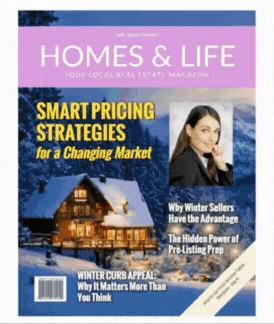
    Homes & Life Magazine

    A customizable magazine with compelling content that keeps you top-of-mind.


    Magazine →

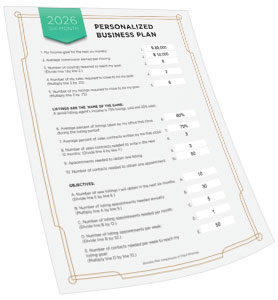
    Business Plan

    Interactive Business Plan

    Map out your next six months with a simple planner built for real estate success.


    Get the Plan →


      For years, cold calling was considered one of the fastest ways to generate leads.

      Some agents still swear by it.

      Others avoid it altogether.

      The reality is that many agents today are asking a different question:

      “Is there a better way to stay in front of homeowners?”

      Homeowners Don’t Like Feeling Sold

      Think about your own day.

      Your phone rings from an unfamiliar number.

      Do you answer?

      Even if you do, you’re already wondering who’s calling and what they’re trying to sell.

      Most homeowners feel the same way.

      That’s why many successful agents are spending less time interrupting people and more time building familiarity before they ever need an agent.

      Familiarity Creates Opportunity

      When homeowners repeatedly see your name attached to something useful, you’re no longer a stranger.

      You’re becoming a familiar local resource.

      That doesn’t happen overnight.

      It happens through consistent, valuable communication over time.

      A neighborhood market update.

      A local sales report.

      Helpful homeowner information.

      These aren’t sales pitches. They’re reasons for homeowners to pay attention.

      Visibility Without the Pressure

      The goal isn’t simply to contact more people.

      The goal is to be remembered when someone decides it’s finally time to sell.

      By the time that decision is made, the agent who consistently shared useful information often has a significant advantage over the one making a first-time cold call.

      Give Homeowners Something They’ll Actually Read

      If you’re going to stay in front of homeowners with marketing, give them something worth opening.

      A real estate agent who recently listed numerous homes in a specific area stated the number one question homeowners were asking was:

      “What’s happening with home values where I live?”

      Addressing that question in her marketing provides the useful information that continues to build trust.

      And that trust results in ongoing new listings and business growth.

      Encourage homeowners to take the next step with valuable information. Send a Looking For Listings postcard.

      Homes & Life Magazine

      A customizable magazine with compelling content that keeps you top-of-mind.


      Magazine →

      Business Plan

      Interactive Business Plan

      Map out your next six months with a simple planner built for real estate success.


      Get the Plan →


        Every year, it happens.

        One group of agents heads into fall with listing appointments on the calendar and conversations already in motion.

        Another group wonders why business suddenly feels so slow.

        The difference usually isn’t September.

        It starts much earlier.

        Many homeowners spend the summer thinking rather than acting.

        They’re watching interest rates, neighborhood activity, and home values. They’re talking with family, considering life changes, and asking themselves whether it’s finally time to make a move.

        They’re quietly gathering information long before they ever contact an agent.

        This is where many agents unintentionally fall behind.

        Summer often becomes the season when marketing slows down. Vacations, family schedules, and a busier personal calendar push consistent outreach aside.

        But homeowners don’t stop paying attention.

        They simply continue noticing the agents who remain visible.

        By the time fall arrives, familiarity has already been established.

        The listing conversations that begin in September often result from marketing that occurred weeks or even months earlier.

        That’s why building a pipeline isn’t something you do after summer.

        It’s something you do during it.

        The agents who consistently enter fall with momentum aren’t necessarily spending more.

        They’re simply maintaining a steady presence while others become quieter.

        Small, consistent touches keep your name familiar, your expertise visible, and your business positioned for the opportunities that follow.

        Because by the time homeowners are ready to call an agent, they’re often choosing from the names they’ve been seeing all along.

        Stay visible and stand out with a personally branded Homes & Life Magazine. Use it to build trust and stay top of mind: in listing presentations, at open houses, left at local businesses, and at networking events.

        Order Homes & Life Magazine

        Homes & Life Magazine

        A customizable magazine with compelling content that keeps you top-of-mind.


        Magazine →

        Business Plan

        Interactive Business Plan

        Map out your next six months with a simple planner built for real estate success.


        Get the Plan →


          When business slows down, every expense comes under the microscope.

          Marketing is often one of the first things agents reduce.

          It’s understandable.

          When listings are harder to come by and transactions slow, cutting expenses feels like the responsible thing to do.

          But there’s a hidden cost that doesn’t show up on your credit card statement.

          It shows up weeks—or even months—later.

          Homeowners don’t usually decide to sell the same day they receive a postcard.

          They notice you.

          Then they notice you again.

          Over time, your name becomes familiar, your market knowledge becomes trusted, and when the timing is right, you’re one of the agents they remember.

          That process doesn’t happen overnight.

          And it doesn’t happen if your marketing disappears.

          Meanwhile, the agents who continue showing up—even with smaller, consistent campaigns—keep reinforcing their presence in the neighborhoods they serve.

          They stay visible while others become easier to forget.

          This doesn’t mean you need to spend more.

          It means spending strategically.

          A steady, manageable marketing rhythm is often more valuable than bursts of activity followed by months of silence.

          Because rebuilding familiarity is usually harder—and more expensive—than maintaining it.

          The agents who continue earning listings in challenging markets aren’t always the ones with the biggest budgets.

          They’re often the ones who never completely disappear.

          Launch a Geographic Farm Scheduled Campaign

          Homes & Life Magazine

          A customizable magazine with compelling content that keeps you top-of-mind.


          Magazine →

          Business Plan

          Interactive Business Plan

          Map out your next six months with a simple planner built for real estate success.


          Get the Plan →


            When we look at the agents who consistently win listings, something interesting appears.

            It’s usually not a secret marketing tactic.

            It’s not a complicated funnel, and it’s rarely a massive advertising budget.

            Instead, it’s a pattern

            Top producers tend to introduce themselves before they need anything.

            Most agents wait until they have something to announce.

            A new listing.

            A price reduction.

            An open house.

            A sale.

            Top producers often do the opposite

            They spend time making sure homeowners know who they are before the homeowner ever needs an agent.

            This matters because homeowners don’t usually hire the first agent they discover when they decide to sell.

            They often hire the agent they’ve seen repeatedly over time.

            The one who feels familiar.

            The one who appears active.

            The one they recognize.

            Recognition creates trust

            Trust creates conversations.

            Conversations create listings.

            One of the simplest ways we see agents do this is through introductory marketing.

            Not once.

            Consistently.

            A single introduction can create awareness.

            Repeated introductions create familiarity.

            And familiarity is often what separates the agent who gets called from the agent who gets overlooked.

            The agents generating opportunities today aren’t always marketing harder. They’re often marketing earlier.

            By the time homeowners are ready to make a move, those agents are already known.

            And in today’s market, being known is a significant advantage.

            Send a Photo Introduction Postcard, and start getting noticed.

            Homes & Life Magazine

            A customizable magazine with compelling content that keeps you top-of-mind.


            Magazine →

            Business Plan

            Interactive Business Plan

            Map out your next six months with a simple planner built for real estate success.


            Get the Plan →

              Summer doesn’t usually hurt an agent’s business.

              Inconsistency does.

              As schedules change, vacations happen, kids are home from school, and long weekends start filling the calendar, many agents unintentionally pull back on their marketing.

              Not on purpose.

              It just happens.

              A few days turn into a few weeks. Marketing gets delayed. Follow-up gets pushed to tomorrow. Visibility becomes less consistent.

              Meanwhile, homeowners keep moving through the exact same decision-making process they had before summer started.

              They’re still thinking about moving.

              They’re still watching the market.

              They’re still noticing which agents seem active and engaged.

              And that’s where many opportunities quietly slip away.

              The Problem Isn’t a Lack of Leads

              Most agents don’t lose momentum because there aren’t enough potential sellers.

              They lose momentum because they become harder to notice. When marketing becomes inconsistent, familiarity begins to fade.

              The homeowners who might have seen your name several times in the spring stop seeing it altogether.

              The conversation slows down.

              The opportunities become less obvious.

              And by the time fall arrives, many agents find themselves rebuilding momentum instead of benefiting from it.

              What Successful Agents Do Differently

              The agents who maintain momentum through the summer don’t necessarily work more.

              They stay consistent.

              They continue showing up while competitors get distracted.

              They keep their names in front of homeowners. They maintain visibility even when life gets busy.

              Because consistency compounds.

              A homeowner may not respond to the first postcard.

              Or the second.

              But repeated exposure builds familiarity, and familiarity often creates trust.

              When homeowners finally decide it’s time to have a conversation, they tend to contact agents they already recognize.

              Why Scheduled Marketing Works So Well Right Now

              Summer is exactly when systems become valuable.

              When your schedule becomes less predictable, your marketing should become more predictable.

              That’s one reason Listing Lens Ai Scheduled Campaigns have become so popular.

              Instead of wondering who to market to next or trying to remember when to send the next campaign, agents can schedule their marketing in minutes and stay consistently visible to homeowners identified as likely to list.

              The postcards continue going out automatically.

              The messaging is already designed for likely-to-list homeowners.

              And your visibility continues even when your schedule gets busy.

              Summer doesn’t create the problem

              The Summer Follow-Up Gap does.

              The agents who finish the year strong are often the ones who stay visible while others become inconsistent.

              Because listings don’t stop forming during the summer.

              And homeowners don’t stop paying attention.

              The question is simple:

              Will they still be seeing your name?

              Launch a Listing Lens Ai Scheduled Campaign

              _____________________________________________________________________________


              AGENT Resources

              Tools to Help You Grow Your Real Estate Business

              Practical resources designed to help you stay visible, consistent, and ahead of the competition.

              Homes & Life Magazine

              Homes & Life Magazine

              A customizable magazine with compelling content that keeps you top-of-mind.


              Magazine →

              Marketing Guide

              2026 Q1 Marketing Guide

              Actionable insights, tools, and strategies to help you hit your goals this quarter.


              Get Guide →

              Business Plan

              Interactive Business Plan

              Map out your next six months with a simple planner built for real estate success.


              Get the Plan →

                Every year around this time, many agents unintentionally make the same mistake.

                They slow down too early.

                Marketing becomes inconsistent.
                Neighborhood visibility fades.
                Touches become sporadic.

                And by the time summer is fully underway…

                Business feels quieter than expected.

                The problem is that summer slowdowns rarely happen all at once.

                They build slowly through reduced visibility and fewer consistent touchpoints.

                Homeowners Don’t Stop Paying Attention in the Summer

                A lot of agents assume homeowners mentally “check out” during summer.

                But that’s not really true.

                People are still:

                • driving through neighborhoods
                • noticing listings
                • watching prices
                • thinking about timing
                • discussing future moves

                And during slower periods, visible agents often stand out even more because fewer competitors are marketing consistently.

                Summer Visibility Creates Future Familiarity

                Summer marketing is not just about immediate leads.

                It’s about maintaining:
                ✔ familiarity
                ✔ momentum
                ✔ neighborhood presence

                Because homeowners tend to remember the agents who remained visible while others disappeared.

                And when fall arrives?

                Those familiar names often feel safest to contact first.

                The Mistake Many Agents Make

                A lot of agents treat marketing like an “on/off” switch.

                Busy month? Market heavily.
                Vacation season? Pull back.

                But consistency matters most precisely when competitors disappear.

                That’s where visibility gaps quietly become lost opportunities.


                How to Apply This This Week

                Before Memorial Day weekend:

                • schedule summer touches now
                • lock in consistent visibility
                • commit to staying active through June and July

                Even one postcard campaign per month can dramatically increase long-term familiarity.


                Where This Becomes Easier

                That’s exactly why scheduled campaigns work so well heading into summer.

                They help agents:
                ✔ maintain visibility
                ✔ stay active consistently
                ✔ avoid disappearing during slower months

                Without constantly having to restart marketing from scratch.

                Summer doesn’t have to become a quiet season.

                But the agents who stay visible now will likely have a major advantage later—because familiarity compounds while competitors disappear.

                Send Local Market Stat postcards


                AGENT Resources

                Tools to Help You Grow Your Real Estate Business

                Practical resources designed to help you stay visible, consistent, and ahead of the competition.

                Homes & Life Magazine

                Homes & Life Magazine

                A customizable magazine with compelling content that keeps you top-of-mind.


                Magazine →

                Marketing Guide

                2026 Q1 Marketing Guide

                Actionable insights, tools, and strategies to help you hit your goals this quarter.


                Get Guide →

                Business Plan

                Interactive Business Plan

                Map out your next six months with a simple planner built for real estate success.


                Get the Plan →

                  Spring may get the spotlight in real estate, but the truth is that most spring listings begin taking shape long before the season arrives. Homeowners rarely wake up one day and decide to sell immediately.

                  Instead, the decision builds over time through observation, planning, and conversations with professionals they trust.

                  That’s why late winter and early spring preparation play such a critical role in listing success. Buyers may drive spring urgency, but sellers move forward when they feel informed and confident. Agents who begin outreach now position themselves as guides rather than last-minute salespeople.

                  Groundwork starts with visibility. Consistent communication — newsletters, postcards, market updates, and personal check-ins — keeps you present while homeowners evaluate their options. Even those not ready to act are quietly paying attention to who is active in their market.

                  Education is equally powerful. Sharing neighborhood sales activity, pricing trends, and home value insights helps homeowners understand what’s possible.

                  These early conversations remove uncertainty and make the selling process feel less overwhelming.

                  Re-engaging past conversations is another key advantage. Many spring listings come from homeowners who said, “Maybe later.” A simple follow-up, paired with an updated market context, often reopens the door naturally.

                  The agents who benefit most in spring aren’t starting from zero — they’re building on months of trust already established. By the time homeowners are ready to list, the relationship — and the listing — often feel like the natural next step.

                  Spring success isn’t created in spring. It’s built on the quiet groundwork that comes first.

                  Launch a Geographic Farm Scheduled Campaign and stay in front of your market throughout 2026 without effort. Here →
                  _________________________________________________________

                  PLUS: When you have time…below are some marketing tools to help support your success.

                  1. Put Your Real Estate Business a Step Above with Your Own Branded Magazine

                  Homes & Life Magazine is a customizable magazine with rich, full-color content and a sharp, professional aesthetic. It includes compelling, direct, response-driven articles written by real estate industry experts and engaging lifestyle content. Send out Homes & Life Magazine in Just Minutes – No Minimums Required. Or we’ll ship it to you. Homes & Life Magazine is the ultimate “Coffee Table Lingerer”! …and it costs less than sending a greeting card! – Click Here


                  2. The Free 2026 Q1 Real Estate Marketing Guide

                  Kickstart 2026 with our Quarterly Real Estate Marketing Guide to help you achieve your real estate business goals. Packed with tools like a goal-setting sheet, monthly insights, tailored task lists, and marketing recommendations, this free guide is your ultimate resource for success—download it today for FREE! – Click Here

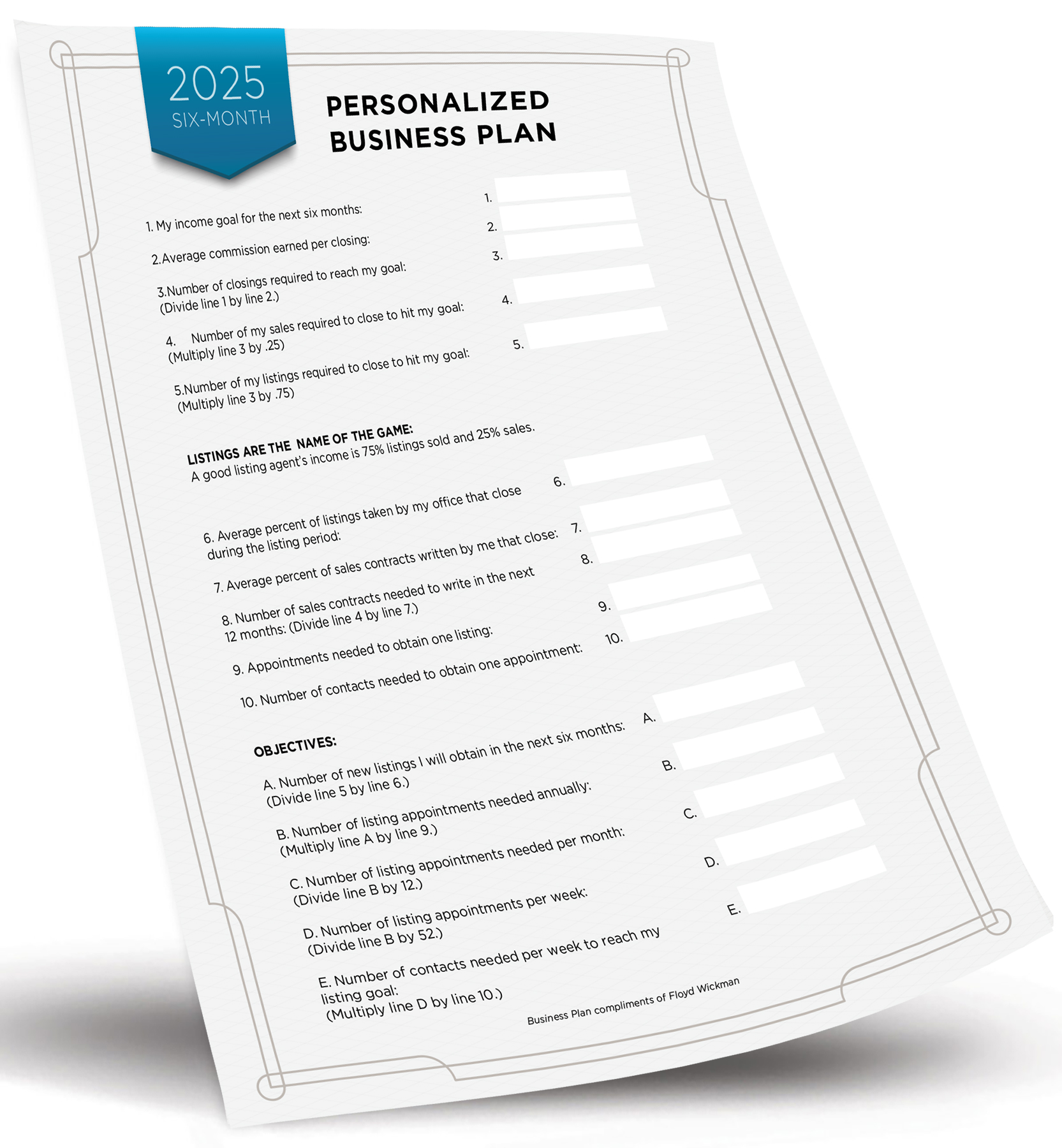
                  3. The Free Interactive 6-Month Real Estate Business Plan
                  The Free Interactive 6-Month Real Estate Business Plan allows you to enter your business goals for the remainder of the year and get a breakdown of how many prospects, listings, closings, and so on are needed to reach your goals.   – Click Here