Thursday, November 12, 2026

direct mail

Real estate agent reviewing a printed property marketing brochure at a desk

Real estate brochures give an agent room to explain a property, a service, or a neighborhood without building a design from scratch. ProspectsPLUS! already has done-for-you templates for real estate niches, written around marketing design practices agents use every day. You choose a template, add your details, pick whether it is mailed to recipients or shipped to you, and place the order. Printing and the fulfillment included with that order are handled for you.

Browse the real estate brochure collection and start an order. Phone help is available at +1-866-405-3638 if you want it.

Start with the job the brochure needs to do

A useful piece has one job. It might introduce how you work in a neighborhood, walk a buyer through a home, or give a seller a clear next step. Write that job in one sentence before you open the catalog: this piece will help a specific reader understand one point and take one next step.

That sentence tells you which template fits. A buyer comparing a home needs property detail. An owner who has never listed with you needs a reason to start a conversation. A past client needs a reminder that you are still the agent to call. One audience and one point keep the piece easy to use.

You do not research a layout or plan panels. The templates already organize the message. Your job is to pick the collection that matches the conversation you want, then personalize it with current facts, photos, and your contact details.

Choose a done-for-you real estate brochure template

The real estate brochures page is the fastest place to start. Templates are free to browse, and the copy was written by real estate professionals for real estate professionals. You personalize a finished design instead of building one.

Named series on that page include FSBO – First Aid Brochures, Luxury Brochures, Selling Your Home Brochures, and Timing Is Everything Brochures. Use them when the series name matches the conversation. For a tighter niche, open the matching collection and order from there:

Other niches live on the parent template pages when a brochure-only filter is not published. Seller templates, geographic farming templates, sphere of influence templates, and niche market templates are the right doors for those audiences. Open the collection, choose a brochure template, and personalize it.

Personalizing is straightforward. Add the property facts, your photo, your phone number, and the one action you want. Read the finished piece once in the order a recipient will see it. If the subject and next step are obvious, it is ready to order.

Match the format to how the reader will use it

Brochures and postcards are formats. A repeated mail campaign is a strategy that can use either format over time. Pick the format for this send, then decide later whether that audience should hear from you again.

Choice What it is Best used when What you do in the order
Brochure. A print format with room for several related points. A property, service, or process needs more than one short idea. Choose a template, personalize it, then mail it or ship it to yourself.
Postcard. A print format built for one quick message. You want a single announcement or reminder that is easy to scan. Choose a postcard template and place that order the same way.
Repeated mail campaign. A strategy, not a paper format. You want the same audience to hear from you on a schedule. Pick the format for each touch and keep the sequence going.

Use the comparison once, then stay with brochures if that is the piece this job needs. A brochure can introduce you, explain a listing, or support a meeting. A postcard can carry the short reminder between those longer pieces. ProspectsPLUS! prints both, so you are not choosing a vendor. You are choosing the amount of room the message needs.

Use brochures in person and in the mail

A brochure is not only a mail piece. The same template can support the conversations you already have in person.

  • Open houses. Set out an open house brochure so visitors can leave with features, photos, and your contact details.
  • Listing presentations. Bring a short brochure that shows how you market a home, then leave it with the seller.
  • Property showings. Hand a feature property brochure to buyers who want more than the listing sheet.
  • Sphere conversations. Keep a few personalized copies for past clients and the people who refer you. The sphere of influence templates are built for that relationship.

For in-person use, order the brochure shipped to you. For a neighborhood, a buyer list, or another selected audience, order it mailed to recipients. One template can do both. You simply choose the fulfillment that matches where the piece needs to go.

Choose mail or ship when you place the order

The ordering choices are simple, and they live on the product page. You do not confirm dimensions, look up mailing rules, or sort out postal routes. ProspectsPLUS! built those decisions into the formats you can order.

Published brochure formats are a bi-fold at 8.5 by 11 inches, a tri-fold at 10.5 by 15 inches, and a larger bi-fold at 11 by 17 inches. Paper choices are 100# text heavyweight paper and 100# cover cardstock. Pick the fold and paper that fit the template, then choose who receives the finished pieces.

Mailed to recipients. Choose this when ProspectsPLUS! should print, address, and send the brochures. Mailed brochures include addressing, full tracking, and postage. During checkout you choose First Class or Standard Class from the options shown for that quantity. Targeted mailing lists and a list you upload are both available when you do not want to build the audience yourself. Pricing varies by quantity, size, mail class, and data selections, so use the brochure pricing on the order rather than a single flat rate.

Shipped to you. Choose this when you want the brochures in your hands. Shipped orders come to you for open houses, listing presentations, showings, and your own handoffs. The pricing page lists shipped bi-fold and tri-fold sizes separately from mailed sizes, including a tri-fold at 11 by 8.5 inches and a bi-fold at 17 by 11 inches. You are paying for printed pieces delivered to you, not for postage to a mailing list.

That split is the whole fulfillment decision. Mail it if recipients should get it at home. Ship it if you will hand it out. Either way, production is part of the order.

How ProspectsPLUS! keeps the work small

Agents often picture direct mail as a stack of chores: design, print, lists, postage, and delivery. The ProspectsPLUS! order removes that stack. The template, the print, and the fulfillment option you select are one checkout.

  1. Pick the collection. Start at the brochure collection or a niche page such as buyers, open houses, featured properties, expired listings, or for-sale-by-owner.
  2. Choose the template. Select a done-for-you design whose message already fits the audience.
  3. Personalize it. Add your branding, the current facts, and one clear next step.
  4. Choose mail or ship. Mail to recipients when the list should receive it. Ship to yourself when you will use it in person.
  5. Place the order. Printing and the included fulfillment happen from there. If you want a person to walk through the choices, call +1-866-405-3638.

Listing Lens AI℠ can help before you order a property brochure. It is a way to see which homes are more likely to sell, so you can put a feature-property or listing brochure behind a home that deserves the extra page. Use it as a picking tool, then send the matching template through the same order path. It does not replace the brochure. It helps you decide which property gets one.

A repeated campaign uses the same path more than once. The postcard campaigns page is for scheduled touches. A brochure can be the deeper piece in that plan, mailed when you have a property or service to explain, while shorter postcards keep you visible between those sends. For how often to stay in touch, this guide to planning a direct-mail send and this look at farming with a clearer audience sit next to the order, not in place of it.

Track inquiries, appointments, and listings

After the pieces go out, track the actions you can see. Mailed brochure orders include full tracking, so you can confirm the mailing moved. Then record what happens in your own pipeline.

  • Inquiries. Note calls, form fills, and replies that mention the piece or arrive from the audience you mailed.
  • Appointments. Count listing conversations, buyer meetings, and showing requests that follow the drop or the open house.
  • Listings. Mark new listings and signed clients tied to that audience so the next order is easier to choose.

Keep the notes short: campaign name, audience, template, mail or ship, send date, quantity, and the responses you can identify. Those notes tell you whether to repeat the template, switch niches, or change the list. One mailing is a start. A simple record makes the next order faster.

Common mistakes when ordering brochures

Designing the piece from a blank page. The catalog already has niche templates. Choose one and personalize it.

Writing to everyone at once. Pick buyers, sellers, a featured home, an expired listing, or your sphere. The matching collection is already sorted that way.

Mixing up mail and ship. Mailed brochures go to recipients with addressing, tracking, and postage. Shipped brochures come to you for in-person use.

Using a brochure for a one-line announcement. If the reader only needs a quick notice, a postcard is the shorter format. If they need the story, stay with the brochure.

Stopping after a single send. Save the audience and the response notes, then place the next order when you have another useful point to share. A practical touchpoint plan shows how those repeats fit together.

Ready to pick a design? Open the brochure collection and begin an order. Call +1-866-405-3638 if you would rather have help choosing.

Frequently asked questions

How do I order real estate brochures without designing them myself?

Open the ProspectsPLUS! brochure collection, choose a done-for-you template for your niche, and personalize it with your details. Then select mailed-to-recipients or shipped-to-you and place the order. You are not starting from a blank layout.

Should I mail brochures or have them shipped to me?

Mail them when a list should receive them at home. Mailed brochures include addressing, full tracking, and postage. Have them shipped to you for open houses, listing presentations, showings, and other handoffs. The pricing page lists mailed and shipped sizes separately.

Which brochure template should I use?

Match the template to the conversation. Feature property and open house collections fit homes you are showing. Buyer, expired listing, and for-sale-by-owner collections fit those owner and buyer conversations. Seller, geographic farming, sphere, and niche templates cover the broader audiences.

How much do real estate brochures cost?

There is no single price. Published pricing changes with quantity, fold size, paper, mail class, and whether the order is mailed or shipped. Review the brochure section of the pricing page while you build the order so the quote matches your choices.

Can a brochure be part of a repeated mail plan?

Yes. A brochure is the format for a message that needs more room. A repeated mail campaign is the strategy of contacting the same audience again. Use a brochure when you have a property or service to explain, and use postcards for the shorter touches between those sends.

Pick a template and place the order

Real estate brochures are easy to put to work when the template, the audience, and the fulfillment are chosen in one place. ProspectsPLUS! makes professional real estate direct mail easy: choose a done-for-you template, personalize it, select mail or ship, and let the order cover production and the fulfillment included with it.

Start in the brochure collection, or call +1-866-405-3638 if you want help matching a template to the audience. The online catalog is the next step. The phone line is there when you want a person.

    Real estate agent reviewing a ready postcard campaign before mailing it to a neighborhood

    A real estate direct mail campaign is a ready postcard series you choose and personalize, then send to the people you want to reach. ProspectsPLUS! prints each card and mails it for you. You do not design a piece from scratch, study postal rules, or build a production plan before the first order.

    Pick the campaign that matches the job you already have in mind, then add your name, photo, and phone number. Choose a list on the order, or upload one you already have, and let the schedule carry the next cards. That is the whole start.

    Launch a campaign when you know who should get the mail.

    Start a real estate direct mail campaign with a ready series

    The campaign page is organized by who you want to reach, so you can start from the audience instead of a blank design. Sphere of influence, just sold, holiday, geographic farming, absentee owners, high-income renters, expired listings, for-sale-by-owner, investors, and recruiting each have their own series. You choose the one that fits rather than inventing the message first.

    Each series already has professionally written copy and a finished design. Keeping that copy is the easy default, and most agents should leave it in place. Change a headline, an offer, or a call to action only when you want a different message. A just-sold card can show the home you sold. A sphere card can use a recipe, a market note, or a light check-in. The template still does the heavy work.

    One campaign should do one job, because a single card works better with a single reason to mail. A just-sold series tells the neighbors who sold the house, a sphere series keeps past clients easy to remember, and a farm series stays with the same streets. Mixing those jobs on one card makes the message fuzzy, so two jobs deserve two campaigns.

    Here is a simple example. You closed a listing on Maple Street. Open the one-year just-sold campaign, keep the written copy, add the property photo and your phone, and mail the surrounding owners. You are done planning. The series keeps you in front of those owners for the year.

    Choose who gets the mail

    The audience is a choice on the order, not a research project you finish before you are allowed to mail. Use a list you already trust, build a mapped list, or start from a scored list, and then stop adding names. A bigger pile of names is not a better campaign.

    People you already know

    Past clients and your sphere already know your name, so this campaign is about staying easy to remember. A scheduled series of useful cards keeps that memory warm without asking for a listing every month. The job is referrals and repeat business, which means you upload the names you have and let the series run.

    That repetition still matters, because most people hire an agent. The National Association of REALTORS® reported in its 2025 profile that 88% of buyers and 91% of sellers used one.

    A neighborhood you want to own

    A geographic farm is a set of streets you can picture. On a geographic farm campaign, you can search by radius or pinpoint, keep owner-occupants or absentee owners, include or exclude streets, and preview the list before you mail. The same streets get the same kind of card on a steady rhythm. That repetition is what makes your name familiar when someone decides to move.

    Owners flagged as more likely to list

    Listing Lens AI℠ gives every single-family home a predicted Sellability Score from 1 to 1,000. A higher score means the home is more likely to list within 180 days. It is a targeting aid, not proof that an owner is ready to sell, and it does not promise you the listing.

    Use it when you want a shorter list with a reason behind it. Scored records are $1 each, with a 25-record minimum, so the first 25 records are $25. Printing and mailing are priced separately. Purchased lists do not refresh themselves. Because you cannot know the week an owner will call, the useful pattern is a short series across that window, not one postcard.

    A mapped list and a scored list are different tools. Mapped records fit farming, just-listed, and just-sold mail. A scored list costs more per name because you are paying for the score. Current mapped-list prices are on the targeted mailing lists page, separate from a file you upload yourself.

    Who you want to reach. A simple way to start. What ProspectsPLUS! handles.
    Past clients and your sphere. Upload names you already have and pick a sphere series. Printing and mailing on the schedule you set.
    Streets around a listing or a farm. Map the homes, preview the list, and drop streets that do not fit. Addressed mail to the names you kept.
    Owners more likely to list soon. Order a short Listing Lens AI℠ list and mail it through the window. The scored file, then print and mail if you add them.
    A whole carrier route. Choose route coverage when you want every delivery point on that route. Route mailing instead of a named-address list.

    Personalize the card, then leave the design alone

    Personalizing means adding you to a finished card, not rebuilding the layout. Put your photo, your phone, and one local proof point on it, such as a nearby sale, the streets you are mailing, or a simple market note. You do not lay out panels, pick a paper stock from a spec sheet, or send the file somewhere else to be checked.

    Match the piece to the job, using designs that already exist. Just-listed and just-sold postcards fit a listing milestone. A farm series fits the same streets month after month. A sphere or holiday series fits people who already know you. A standard card carries a short note. A larger card carries a photo and one clear next step. Pick the template that already does that job.

    Give the reader one action, and make that action easy to spot. Ask for a home-value conversation, point to the sale on their street, or invite a call. Because a card with three asks gives people a reason to do none of them. Put your phone in the same place on every card in the series so a familiar reader does not have to hunt for it.

    The first card introduces you, and later cards can ask for more once the name is familiar. Someone who has not decided to move does not need a hard listing pitch on card one. A clear photo of a nearby sale, or a short market note, fits that first touch better.

    Let the schedule do the follow-up

    One card is only a sample of what the campaign can do. A campaign is the next cards going out without you rebuilding the order each time. Scheduling is what cuts the ongoing work. You choose the rhythm once, and each mailing goes out on its own.

    ProspectsPLUS! scheduled postcard campaigns use one set of terms: pay as you go, with no upfront charges. Cancel, change, or pause at any time without penalty. The processing cutoff is separate. On geographic farm and just-sold campaigns, changes to the next card have to be in before the night before it is scheduled to mail. You are not buying a year of postage on day one.

    Use the rhythm that matches the campaign you picked:

    1. Sphere and past clients: monthly, or on a holiday calendar, so you stay easy to remember.
    2. Geographic farm: a steady card to the same streets. Swapping the farm every month throws away the repetition.
    3. Just sold: the one-year follow-up to the homes around that sale, so the neighbors keep seeing who got it done.
    4. Listing Lens AI℠: about every two weeks across the 180-day window, so your name is in the house while the owner is deciding.

    You do not need a second plan for card two, because the series already knows when the next card mails. Approve it, then leave it alone unless you want to change a later send. A shorter list you keep mailing beats a huge list you abandon in February. And a busy month is a reason to pause the next send rather than start over.

    What you pay, and what you can ignore

    Price follows the choices on the order. Quantity, size, mail class, data selections, and postage all move the number. Mailed postcard orders include addressing and postage. A list you buy, or a scored file, is a separate line. Read the price for the size and quantity you actually want. A sample price is not your monthly bill.

    On a scheduled campaign, the charge is the next mailing. There is no upfront charge for the mailings after it. A monthly farm is one print bill each time a card mails. A biweekly scored series is the same idea across a shorter window. If the first send feels high, drop names or step down a size. You do not have to rewrite the campaign to make it affordable.

    You can also ignore a pile of work that used to sit in front of a mailing. You do not confirm dimensions, study mail classes, or plan a production calendar. The template is already built for real estate. ProspectsPLUS! prints it and mails it. Your job is the audience and the personal details.

    Three campaigns, started the simple way

    The same four steps work for very different jobs. Choose the series, personalize it, pick the audience, and leave printing and mailing to ProspectsPLUS!. The examples below are the kind of order an agent can place the week a listing changes, not a project that needs a deck.

    The street around a sale

    You sold 18 Maple. The neighbors are the audience. Open the just-sold campaign, keep the professionally written copy, add the photo and your phone, and map the surrounding owner-occupants. Preview the list and drop a street that is not really part of the neighborhood. The one-year series does the rest. You can still cancel or change a later card before its cutoff.

    The farm you want to be known in

    You want the 400 homes north of downtown to know your name before they list. Build that list by map, keep the streets that fit, and choose a geographic farm series with copy you are happy to send every month. Personalize the phone and the photo. Then let the monthly card go out. The point is recognition, not a new slogan each time.

    A short list with a score behind it

    You would rather mail 40 homes than 400, and you want a reason for the shorter list. Order Listing Lens AI℠ scores for single-family homes in that pocket. Keep the highest scores, expect about $1 per scored record, and attach a Listing Lens campaign that mails about every two weeks.

    Tell the truth in your own head while you do it. A high score is a better chance of a listing inside 180 days, not a seller raising their hand. The series simply keeps your name there while they decide.

    How to tell the campaign is working

    Look at a few simple things after the mail is out. Did the cards go to the list you approved? Did anyone call, ask about a home value, or book a conversation you can tie back to that card? When someone contacts you, ask how they heard about you, and write the answer down.

    Give a new series a few drops before you judge it, because one quiet week is not a verdict. The first card introduces you, and the cards after it are what people remember. If you change something, change one thing: fix the list when the wrong homes got the card. And change the offer only after the right homes have seen you more than once.

    You will not see every conversation the mail influenced, and that is normal for a mailbox. A short note of the drop, the quantity, and the calls you did get is enough to decide whether to keep the series. Pause it, or point it at a different street. You do not need a formal report before you are allowed to continue.

    Put the next campaign in motion

    You already know which job you want the mail to do. Stay in front of past clients, farm one neighborhood, follow a sale down the street, or mail a short scored list. Pick that campaign, personalize the finished design, and choose the audience. ProspectsPLUS! prints and mails it, and the next sends stay pay as you go.

    Get started on the series that fits. If you would rather talk through a list, call (866) 405-3638.

    Frequently asked questions

    How do I start a real estate direct mail campaign?

    Choose a ready campaign, personalize it with your photo and phone, and select or upload the audience. ProspectsPLUS! prints and mails each card. Pay as you go, with no upfront charges. Cancel, change, or pause at any time without penalty. A change to the next card still has to be in before its processing cutoff.

    Do I need to write the postcard myself?

    No. The template already includes professionally written copy. Keeping it is the easy default. Change a headline, an offer, or a call to action only when you want a different message. You do not design the card from a blank page.

    What list should I use?

    Use names you already have for past clients. Map the streets for a farm, a just-listed, or a just-sold. Use Listing Lens AI℠ when you want fewer homes and a predicted Sellability Score behind the pick. Upload your own list any time you already trust the names.

    Do I pay for the whole series today?

    No. Pay as you go, with no upfront charges. Cancel, change, or pause at any time without penalty. The processing cutoff is separate: a change to the next card has to be in before that cutoff, which on geographic farm and just-sold campaigns is the night before it mails.

    Does the campaign guarantee listings?

    No. A campaign puts a clear card in front of the right people more than once. It does not promise a listing, a lead, or a sale. Listing Lens AI℠ scores are a prediction, not confirmed seller intent.

    Real estate postcard mailing service with postcards, printer, and recipient address list.

    Want to reach homeowners in a specific neighborhood without relying only on online posts and ads? Direct mail can put your name and message right in their mailboxes. To make it work, though, you’ll need to choose recipients carefully, create a clear postcard, and plan when it should arrive. A real estate postcard mailing service may offer support with everything from templates and printing to mailing lists and delivery. Some providers also help agents plan recurring campaigns or identify potential seller prospects. This guide explains how these services work, what they cost, and how to compare options for your real estate business.

    Key Takeaways

    • Compare services and total costs: Check what’s included, from design and printing to list selection, postage, and delivery.
    • Define your audience and campaign goal: Choose recipients and a clear call to action that fit your outreach, whether you’re promoting a listing, prospecting, or following up with clients.
    • Measure each mailing’s results: Track responses and costs, keep contact lists current, and test one adjustment at a time to guide future campaigns.

    What Is a Real Estate Postcard Mailing Service?

    A real estate postcard mailing service helps agents create and send postcards without coordinating every task with a different vendor. Depending on the provider, you may get help with design, printing, audience selection, addressing, postage, and delivery. Some services also offer automated campaigns, making it easier to send regular mailings to prospects and clients.

    Services may cover design, printing, list selection, addressing, postage, and delivery

    A full-service provider brings several campaign tasks together. You might choose a template, add your branding and message, select recipients, then submit the design for printing and mailing. The provider may also handle addressing and postage, saving you from managing separate suppliers.

    Check what each service includes before you order. Some providers offer mailing lists and campaign planning, while others ask you to bring your own audience or artwork. ProspectsPLUS! postcard campaigns offer options created for real estate marketing. Before you commit, confirm details such as proof approval, tracking, list costs, and estimated delivery times so you know what to expect.

    Choose a one-time mailing or automated campaign

    A one-time mailing suits a specific marketing moment, such as promoting a new listing, inviting neighbors to an open house, or introducing yourself to a local area. It lets you focus on one message and choose a mailing date that fits your plans. A single campaign can also help you test a design or audience before committing to regular mailings.

    An automated campaign sends postcards on a recurring schedule or as part of a planned sequence. Regular contact can help keep your name familiar to homeowners and prospects, while scheduling tools reduce the need to prepare every mailing from scratch. Look for options to adjust timing, update recipients, and review designs before they are sent. Explore ProspectsPLUS! campaign options to see how different mailing plans can support your outreach.

    Decide which tasks to manage yourself

    The right service depends on the parts of the process you want to handle. If you already have a design and a current mailing list, you may only need printing and delivery. If you’re short on time or still building your audience, a provider with templates, list selection, and mailing support can take more work off your hands.

    Start by listing the tasks you can manage confidently, then look for a service that covers the rest. You might write the copy and choose the recipients, for example, while leaving printing, addressing, and postage to the provider. If you need to find households by location or other criteria, review the available real estate mailing list options before choosing a campaign.

    How Does a Real Estate Postcard Campaign Work?

    A real estate postcard campaign starts with a clear goal and a well-defined audience. From there, you create a message, approve the design, confirm the mailing details, and track the response. Planning each step before printing helps you keep the campaign focused and avoid preventable mistakes.

    You might use postcards to introduce yourself to a neighborhood, promote a listing, reach potential sellers, or stay in touch with past clients. The goal shapes your audience, message, budget, and timing. A full-service provider can bring design, printing, list selection, and mailing together, while a real estate postcard campaign from ProspectsPLUS! gives you tools to organize your outreach. Before launch, choose a way to measure responses, such as a dedicated phone number, QR code, or campaign URL.

    Set your goal, audience, budget, and schedule

    Choose one main goal before writing or designing your postcard. For example, you may want homeowners to request a property valuation, announce a new listing, or become more familiar with your name. A specific goal makes it easier to select an audience and create a message that speaks to its needs.

    Set a budget that includes printing, postage, mailing list costs, and any design or service fees. Then choose a schedule that supports your goal. A one-time mailing may work for a timely announcement; repeated mailings can help build recognition in a neighborhood. Plan dates around listing launches or open houses, and choose a pace you can sustain. Consistent contact can help agents stay familiar to homeowners over time, as Who’s Mailing What! notes.

    Create a postcard and approve the proof

    Make the postcard easy to understand at a glance. Use a relevant property or neighborhood image, a concise headline, and short copy that supports your goal. Include one clear call to action, such as scanning a QR code for listing details or calling to request a valuation. Make sure your name, brokerage information, and contact details are easy to find.

    You can customize a real estate template or create a design that reflects your brand. Before approving the proof, check spelling, phone numbers, URLs, image quality, layout, and required brokerage details. Confirm that the address and postage areas are positioned correctly, too. ProspectsPLUS! offers customizable postcard designs to help agents get started. A careful review gives you a chance to correct errors before the postcards are printed and mailed.

    Confirm your recipient list, postage, and delivery timing

    Check that your recipient list fits the campaign goal. Review the selected area, audience criteria, and mailing quantity, and confirm that the addresses are current. If you’re using a purchased list, ask how recipients were selected and when the data was last updated. ProspectsPLUS! provides mailing lists and Listing Lens AI to help agents target audiences, including homeowners whose properties may be more likely to sell.

    Before placing the order, confirm who will handle addressing, postage, and delivery. Ask how long printing and mailing will take, especially if your postcard promotes an open house or a new listing. Providers differ in what they include, so review the order details carefully. Knowing the full timeline helps you choose a mailing date that gives recipients time to act.

    Track responses and apply what you learn

    Decide how you’ll identify responses before the postcards go out. A dedicated phone number, QR code, campaign URL, or offer code can connect inquiries to a specific mailing. You can also ask new contacts how they heard about you and record their answers in your CRM. Track website visits, information requests, and appointments, not just phone calls.

    After the campaign, compare the results with your original goal and total cost. Note which audience, offer, design, and timing brought the most engagement. Use what you learn to shape the next mailing: test a new headline, simplify the copy, or adjust the area you target. Change one element at a time when possible, so you can see what affected the results. Reviewing postcard campaign performance helps you spot patterns and make more informed choices next time.

    Why Use a Real Estate Postcard Mailing Service?

    A postcard campaign involves more than writing a message and choosing an image. You may need to create the design, select a mailing list, prepare print files, arrange postage, and confirm delivery. A real estate postcard mailing service can bring several of those tasks together, which can save time and reduce the number of details you manage on your own.

    A service can also help you plan more focused outreach. You might target a neighborhood where you want to build name recognition, share a listing with nearby homeowners, or send a timely update to past clients. Before choosing a provider, decide which tasks you want help with and what you want each campaign to achieve. Then compare services, targeting options, and mailing schedules to find a setup you can maintain.

    Manage campaign tasks with one provider

    Coordinating design, printing, list selection, and postage through separate vendors can create extra steps. A mailing service may let you handle several of these tasks in one place. Some providers also offer list generation and tools for planning repeat campaigns, while others focus mainly on printing and delivery. Check what’s included before ordering so you know which details you’ll need to manage yourself.

    Keeping campaign tasks together can make it easier to review your audience, design, and mailing details before the postcards go out. Explore the available real estate postcard campaigns to see how a provider can support your process, then compare the features with your needs and budget.

    Reach a specific neighborhood or prospect group

    A mailing list should reflect the purpose of your campaign. If you’re promoting a new listing, you might reach nearby homeowners. If you’re building a geographic farm, you may want to focus on a defined neighborhood. Some services let you upload your own contacts, while others offer list filters based on criteria such as location, demographics, or lifestyle.

    Start by describing the people you want to reach and the action you’d like them to take. Then confirm that the provider’s list options fit that goal. ProspectsPLUS! offers mailing lists and Listing Lens AI, including tools that help agents identify homeowners whose properties may be likely to sell. Review how lists are created and updated before selecting recipients.

    Build name recognition with regular mailings

    A single postcard can introduce you to a neighborhood, but regular mailings give people more opportunities to recognize and remember your name. Set a schedule you can sustain, such as a monthly or seasonal mailing, and share useful or timely information in each one. You might rotate between market updates, homeowner tips, recent sales, and listing announcements.

    Keep your branding consistent, but vary the message so each postcard offers something relevant. Make your name and contact information easy to find, and include one clear next step for recipients. A direct mail best-practices guide also recommends regular outreach to support repeated exposure. Track responses from each mailing to learn which topics and calls to action connect with your audience.

    Coordinate postcards with other marketing materials

    Postcards can reinforce the same message you share through flyers, brochures, email, and social media. For example, you might mail a short announcement about a new listing, then use a brochure or property page to provide additional details. Consistent colors, photos, and contact information help your materials feel connected across channels.

    Plan around one campaign goal, then adjust the content to suit each format. A postcard needs a concise message and a clear call to action, while a flyer may leave room for more property details. Some real estate direct mail services support the creation and delivery of postcards, letters, and flyers. Before sending, review each item to make sure the listing information, branding, and contact details match.

    How Do You Target the Right Audience?

    Start with a specific campaign goal. Decide who you want to reach, what they may care about, and what action you want them to take. Then choose list criteria that help your postcard feel relevant.

    Upload your list and verify current contact details

    If you already have a client or prospect list, review it before sending. Remove duplicates, check addresses, and organize contacts by relationship or past interaction. This simple cleanup can help reduce wasted mail and make it easier to personalize your message.

    If you need additional contacts, choose a mailing service that can help you build a list. ProspectsPLUS! lets agents upload contacts or select mailing-list criteria for a campaign. Before you place an order, confirm that the details are as current as possible and that you’re following applicable marketing and privacy requirements.

    Select recipients by geography, demographics, or lifestyle

    Choose filters that match the reason for your mailing. To promote a new listing, you might focus on nearby households. To introduce yourself to a neighborhood, define an area you want to serve. Demographic or lifestyle criteria can help you shape a message for a particular audience, provided the criteria are relevant and used responsibly.

    Keep your list focused, but not so narrow that it limits your reach. Start with a geographic area or a few useful filters, then review responses to see what worked. ProspectsPLUS! offers geographic, demographic, and lifestyle list options to help agents tailor their audience to campaign goals.

    Use likely-to-sell property data to target sellers

    For a seller-focused campaign, property data can help you prioritize households that may be more likely to move. ProspectsPLUS!’s Listing Lens AI predicts homes that may sell within the next 180 days. Use that insight to guide your list selection and focus your outreach, rather than sending the same message to every homeowner.

    A prediction is a signal, not a promise that someone plans to sell. Keep your postcard helpful and low-pressure. For example, share a local market update or offer to discuss a home’s value. This gives recipients a relevant reason to respond without assuming they are ready to list.

    Match list criteria to listing promotion, prospecting, or client follow-up

    Let your campaign goal shape the audience. For a listing promotion, consider reaching nearby households who may know someone looking to move. For prospecting, select a neighborhood you want to get to know. For client follow-up, use your own contacts and tailor the message to your relationship.

    Make the call to action fit the recipient. A listing postcard might invite readers to view the property online, while a client mailing could offer a market update or invite a conversation. ProspectsPLUS! provides campaign options for different real estate marketing goals. Track responses by campaign so you can adjust your audience and message next time.

    Compare Postcard Design, Printing, and Mailing Options

    Choose a real estate template or create a branded design

    A real estate template can help you get a campaign ready quickly, whether you’re announcing a listing, sharing a market update, or introducing yourself to a neighborhood. Choose a layout that fits your goal, then add your photo, logo, colors, and contact information so the postcard feels like part of your brand.

    If your marketing already has a consistent look, a custom design can carry it across postcards, signs, and your website. Before choosing a provider, check whether it offers editing tools, design support, or ready-to-mail campaigns. Explore ProspectsPLUS! postcard campaigns to compare options for real estate outreach and decide which design tasks you’d like to handle yourself.

    Write clear copy, use quality images, and include one call to action

    Make the main message easy to understand at a glance. Use a short headline, a few relevant details, and one clear next step, such as calling for a home valuation or scanning a QR code to view a listing. Too many offers or requests can distract recipients from the action you want them to take.

    Choose a sharp, well-lit image that supports your message. A listing postcard might feature the property, while a neighborhood introduction could use a professional headshot. Check that text remains readable at postcard size and that your contact details are correct. These real estate postcard design tips also stress keeping the message simple and focused.

    Compare postcard sizes, paper stocks, and print finishes

    Postcard size affects available design space as well as printing and postage costs. A smaller card may suit a concise reminder, while a larger format can give a property photo or neighborhood message more room. Compare the total cost to print and mail each format, not just the price per card.

    Paper weight and finish influence how the mailer looks and feels. Sturdy stock can feel substantial, while a glossy finish can make color images stand out. Consider readability as you choose: glare can make small text harder to read, and an elaborate finish may not suit every campaign budget. Ask providers for paper specifications or samples, then compare options based on durability, legibility, and cost. The PostGrid overview of real estate direct mail services discusses print features to consider when comparing providers.

    Check personalization, proofing, addressing, postage, and delivery times

    Before ordering, confirm which steps the provider handles. Can you personalize cards with a recipient’s name or property detail? Does the service review your artwork and address list? Is postage included in the quote, and can you schedule when the campaign mails? Getting these details upfront helps you compare the actual workload and total cost.

    Review the proof before approving it. Check spelling, image quality, alignment, contact information, and any personalized fields. Then confirm that your mailing list is current and that the estimated delivery timing fits your campaign. If you’re targeting an area or seller group, compare the provider’s mailing list options and ask how addresses are selected. A service that brings design, printing, and mailing together can also reduce the number of handoffs to manage.

    How Much Does a Real Estate Postcard Mailing Service Cost?

    There’s no single price for a real estate postcard campaign. Your total depends on the services you need, the audience you’re mailing to, and the size and quantity of your order. Ask providers for itemized quotes based on the same campaign details so you can compare costs fairly.

    Compare design, printing, list, and postage charges

    Check what each quote includes. Some services bundle design, printing, addressing, and postage, while others price each task separately. If you provide your own artwork or mailing list, ask whether file setup or list processing still comes with a fee.

    Confirm whether postage is included, too. For example, Quantum Postcards lists real estate postcard designs starting at $0.45 per piece, with postage included. That starting price may not apply to every size or order, so request a quote for your specific campaign. Ask the provider to show design, printing, list, and mailing charges separately.

    See how quantity, format, paper, and postage affect costs

    The number of postcards is only one factor in your total. Postcard size, paper stock, print finish, and mailing speed can all affect the quote. Larger or heavier formats may cost more to mail, while premium paper or finishes can add to printing costs.

    To compare providers, request quotes for the same quantity, size, paper, and delivery option. If you’re testing a new audience or message, start with an order that fits your budget and campaign goals. For regular mailings, ask whether the cost per campaign changes with volume, format, or mailing frequency.

    Ask about minimum orders, volume discounts, and recurring fees

    Before placing an order, check whether the provider has a minimum quantity. A low minimum can help you test a new postcard, promote a listing, or reach a smaller group before committing to a larger campaign. Ask about volume discounts, but make sure a bigger order makes sense for your audience and budget.

    Find out whether you’ll pay recurring fees for campaign automation, mailing list access, or account services. If you plan to send postcards regularly, ask whether you can adjust the design and audience for each mailing. Getting Listings Sold’s provider comparison reports that ProspectsPLUS! allows a minimum order of one, which can make it easier to begin with a small test.

    Compare the full campaign cost, not just the price per postcard

    A low per-card price doesn’t necessarily mean a lower total. Add up design, printing, list selection, addressing, postage, setup charges, and any recurring fees. Then check what the service includes, such as proofing, mailing coordination, or help with audience targeting.

    Ask each provider for a final quote using identical campaign details. Full-service companies may handle several steps in one place, which can simplify planning and ordering. Luxury Presence’s overview of real estate mailer providers describes services that combine design, printing, and mailing. If you’re prospecting for sellers, also check whether the available list criteria fit your goals. ProspectsPLUS! mailing lists include geographic, demographic, lifestyle, and likely-to-sell targeting options.

    What Should You Look for in a Provider?

    A real estate postcard provider should offer more than printing and mailing. The right fit can help you reach the people you want to connect with, keep campaigns on schedule, and make it easier to learn from each mailing. Before you choose, compare the services and tools you’ll actually use.

    Compare customization, targeting, automation, and turnaround

    Check whether you can tailor postcards to your brand and campaign goal. You may need one design to introduce yourself to a neighborhood and another to promote a new listing. Look for useful audience options, too, such as selecting recipients by location or other relevant criteria.

    If you plan to mail regularly, ask whether you can schedule an automated campaign and what you’ll need to do to keep it active. Confirm production and delivery timelines, especially when your mailing needs to arrive around a listing launch or open house. ProspectsPLUS! offers real estate postcard campaigns for agents looking to promote listings and connect with prospects.

    Look for list cleaning, contact management, and response tracking

    Ask how the provider helps you create and maintain mailing lists. Can you upload your own contacts, select recipients by geography or demographics, and manage lists in one place? Find out whether addresses are checked for accuracy and how often list information is updated. Clean, current data can help limit mail sent to outdated addresses.

    Also consider how you’ll track results. You might record calls, website visits, QR code scans, and inquiries using campaign-specific links or phone numbers. Ask whether the provider offers reporting or whether you’ll need to track responses yourself. ProspectsPLUS! provides mailing lists and Listing Lens AI to help agents find and organize potential prospects.

    Check CRM compatibility and repeat-campaign tools

    If you use a customer relationship management system (CRM), check how the provider’s tools will fit into your workflow. Ask whether you can import and export contacts, and how campaign details can be added to your follow-up process. Integrations vary, so confirm the available options before you commit. A straightforward process can help you keep contact records organized and avoid maintaining the same information in multiple places.

    For recurring mailings, look for saved designs, reusable lists, and scheduling features. These tools can make it easier to stay in touch with a farm area or past clients without starting from scratch each time. Ask what you’ll need to review or approve for every mailing, so you know how much ongoing work to expect.

    Consider an end-to-end toolkit, including ProspectsPLUS! campaigns and Listing Lens AI

    Using separate vendors for design, printing, mailing lists, and postage can add steps to your campaign. A provider that brings several services together may make planning simpler. Compare what’s included, and clarify which tasks remain yours, such as choosing recipients, approving a proof, and measuring responses.

    ProspectsPLUS! offers real estate marketing materials such as postcards, flyers, door hangers, and brochures, along with campaign and mailing-list tools. Its Listing Lens AI predicts which homes are likely to sell within the next 180 days, offering another way to identify potential seller prospects. Compare these features with your marketing goals, budget, and preferred level of hands-on involvement before deciding whether the toolkit fits your business.

    How Can You Measure and Improve Campaign Results?

    A postcard campaign is easier to improve when you decide what success looks like before sending it. Your goal might be more listing appointments, seller inquiries, website visits, or stronger recognition in a neighborhood. Choose a few measures that match that goal, record them consistently, and use what you learn to shape the next mailing. Response tracking can also help you distinguish a campaign that generated attention from one that brought in qualified prospects.

    Track calls, website visits, QR scans, inquiries, and appointments

    Record the responses connected to each mailing, including phone calls, website visits, QR code scans, email inquiries, and appointments booked. Note the mailing date, audience, and area so you can compare results across campaigns. A spreadsheet or CRM can keep these details in one place and help you track what happens after an inquiry comes in.

    Look beyond the first response. A recipient might call with a question, then book an appointment weeks later. Tracking each step helps you understand which audiences and messages are worth repeating. Reviewing campaign performance and feedback can also help you spot what to refine, as UPrinting advises.

    Use unique URLs, phone numbers, or campaign codes to attribute responses

    Give recipients a clear way to respond, such as a dedicated landing page, QR code, tracking phone number, or short campaign code. Use different identifiers for separate neighborhoods or postcard versions, and you’ll have a better sense of which mailing prompted a response. Keep the process simple, with one clear next step, such as requesting a home valuation or booking a consultation.

    Before mailing, test the QR code, URL, or phone number and make sure the destination is ready to receive inquiries. Include a direct call to action on the postcard, too. A specific response method makes it easier to connect an inquiry with the right campaign, a point emphasized in NextDayFlyers’ postcard guidance.

    Compare campaign costs with leads and conversions

    Add up the full campaign cost, including design, printing, mailing-list fees, and postage. Then compare it with the number of responses, qualified leads, appointments, and clients generated. A mailing with fewer responses may still be effective if it brings in serious prospects or leads to a listing. Use the same tracking period for each campaign, since recipients may respond days or weeks after delivery.

    Don’t judge a campaign by one mailing alone. Repeated exposure can help build familiarity, so review results across multiple sends as well as the quality of the leads. Who’s Mailing What! notes the role consistent mailings can play in building recognition and trust. Use your results to adjust your audience, schedule, or budget.

    Mail regularly, update lists, simplify designs, and test one change at a time

    Choose a mailing schedule you can maintain, and review your recipient list before each send. Remove outdated contacts, verify addresses, and update your targeting as your goals change. For campaigns aimed at specific neighborhoods or likely sellers, ProspectsPLUS! mailing lists and Listing Lens AI can help you identify an audience that fits your campaign.

    Keep each postcard focused on one main message and one clear call to action. If results are lower than expected, test a single change, such as the headline, offer, design, or audience. Changing one element at a time makes it easier to understand what influenced responses. Consistency, clear calls to action, clean design, and tracking are also key recommendations in Open Letter Marketing’s postcard guidance.

    Frequently Asked Questions

    What does a real estate postcard mailing service do?
    It can bring several campaign tasks together, such as designing, printing, addressing, and mailing postcards. Some providers also offer mailing lists and tools for scheduling repeat campaigns. Check what’s included so you know which steps you’ll need to handle.

    How do I choose the right audience for a postcard campaign?
    Begin with your goal, then select recipients who fit it. For example, a listing announcement may suit nearby households, while a neighborhood introduction may call for a defined geographic area. Review list criteria and address quality before ordering.

    Can Listing Lens AI tell me which homeowners will sell?
    No tool can guarantee that a homeowner will sell. Listing Lens AI predicts homes that may be likely to sell within the next 180 days, which can help inform your prospecting. Treat the prediction as a targeting signal, and keep your message useful and low-pressure.

    How much should I budget for postcard mailings?
    Costs depend on factors such as quantity, format, printing choices, postage, design, and mailing-list fees. Request itemized quotes using the same campaign details, and compare the full cost rather than only the price per postcard.

    How can I tell whether a postcard campaign worked?
    Set a goal and choose a way to track responses before mailing. A campaign-specific QR code, phone number, or URL can help connect inquiries to the postcard. Record responses and appointments, then use the results to refine your next audience or message.

      Real estate agent preparing postcards for a neighborhood mailing

      Real estate seller leads come from homeowners who know your name before they decide to list. Pick the group most likely to need an agent. Send a useful postcard from a finished template, then answer the people who reply. ProspectsPLUS! handles the printing and the mailing that comes with the order. You can spend the time on listing conversations.

      Call (866) 405-3638 to get started with a mailing campaign

      Find real estate seller leads before they call

      Not every homeowner is ready to list now. Real estate seller leads get easier when you start with a clear audience instead of mailing every door without a plan. Use Listing Lens AI℠ to prioritize eligible prospects, or choose a campaign built for a specific situation, such as a nearby sale, an expired listing, or a home for sale without an agent.

      Listing Lens AI℠ can help you prioritize outreach with a predicted Sellability Score. Use the score to decide which eligible prospects to contact first, then match the message to the neighborhood and the conversation you want to start.

      Treat the score as a ranking signal, not a fact about a family’s plans. A higher predicted score is not confirmed intent to sell, and it is not a reason to tell a homeowner they are about to move. For example, an agent farming two neighborhoods could use the score to prioritize a focused postcard sequence while keeping a broader neighborhood campaign for visibility. The product is a way to organize outreach, not a promise of listings.

      Match each seller opportunity to a campaign

      Different homeowners need different messages. A neighbor who just watched a house sell is in a different moment from an owner whose listing expired. An owner who lives out of state is in a different moment again. Pick one opportunity, then open the campaign built for it. You do not have to build a data project to get started.

      Seller opportunity. Who you reach. ProspectsPLUS! path. A useful first message.
      Predicted sellers. Prospects prioritized with a higher predicted Sellability Score. Listing Lens AI℠. A short market note and an invitation to ask about timing.
      Geographic farm. Homeowners in a neighborhood or group of streets you serve. Geographic farm campaigns. A neighborhood update that keeps your name familiar.
      Just listed. Owners near a newly listed property. Just listed postcards. The new listing, plus an offer to talk about local market timing.
      Just sold. Owners near a completed sale. Just sold campaigns. The completed sale, plus an invitation to discuss what it may mean locally.
      Absentee owners. Owners who live away from the property. Absentee owner campaigns. A local update and an offer to talk through options.
      Expired listings. Sellers whose listing already came off the market. Expired listing templates. A fresh plan for getting the home sold.
      For sale by owner. Owners marketing the home without an agent. FSBO postcards. A checklist or a second opinion, not a lecture.

      Build recognition in the neighborhoods you serve

      Geographic farming helps you become the agent neighbors already know. Choose a neighborhood, a group of streets, or a small set of towns you can actually serve. Then mail those owners on a schedule so your name is familiar before anyone decides to move. The geographic farm campaigns page walks through the two steps: build the list, then launch the campaign.

      Build the list with a radial or pinpoint search. You can keep owner-occupants, pull absentee owners, include or exclude streets, and preview the records before anything mails. If you already have the addresses, you can upload them and skip the search. Review the available list details while you place the order so you can choose the audience that fits your campaign.

      A practical farm looks like this. An agent picks 400 owner-occupied homes around a listing presentation she wants to win next year. She chooses a neighborhood series, adds her photo and phone number, and sets the campaign to mail on a regular schedule. She only pays when a card goes out, and she can change or cancel the next card up to the night before it mails.

      Turn a real sale into the next conversation

      A just listed or just sold card works because it reports something specific. Neighbors want to know what a new listing or completed sale might mean for them. The just listed and just sold postcards give you professionally designed templates for those announcements. The just sold campaign can then keep the follow-up going over time, so you remain visible after the sign comes down.

      Use the real event. Name the area, share a fact you can stand behind, and invite the owner to ask what it could mean for their home. Do not turn one closing into an unsupported valuation of the property next door. A scheduled series gives you a practical way to stay in touch without inventing a new card for every mailing.

      Reach owners who are not living in the home

      Absentee owners often want a local update more than a sales pitch. They may not see yard signs, open houses, or neighborhood chatter. Absentee owner campaigns let you build that list with a radial or pinpoint search. Keep the out-of-area owners, include or exclude streets, and preview the records before you mail.

      A useful first card offers a short property update or a conversation about value and timing. For example: “You own a home on Maple, and I work that neighborhood. I can send a one-page look at recent sales if you want it.” That gives a distant owner a local contact. It does not assume they have decided to sell.

      Talk to expired listings and for-sale-by-owner sellers

      Some sellers have already raised a hand. An expired listing is a home that was on the market and did not sell. A for-sale-by-owner is a home the owner is trying to sell without an agent. Both groups deserve a specific message, not a generic farm card.

      For expired listings, start with the expired listing templates. The designs are already aimed at sellers who need a new plan. Personalize one with your name and a concrete offer, such as a fresh pricing conversation or a review of how the home was shown. Keep the tone helpful. The owner just had a disappointing result.

      For owners selling on their own, use the FSBO postcard collection. ProspectsPLUS! does not provide an FSBO mailing list for these campaigns, so you must upload your own FSBO prospects. The series number refers to the number of designs in the set; changing the included copy is optional. Adapt the timing and message to the property’s status, and offer a seller-prep checklist, a second set of eyes on showings, or a no-pressure talk about what happens if the home does not sell. Do not argue with the owner’s decision to try it alone.

      Choose a template and personalize it

      You do not design seller mail from scratch. ProspectsPLUS! templates are already laid out for real estate niches, including farms, just sold announcements, expired listings, and for-sale-by-owner outreach. You choose the series that matches the conversation, then personalize it with your photo, your name, your phone number, and one clear offer.

      Pick the message before you pick the artwork. The professionally written copy is the easy default, and you can keep it as provided. If you want to personalize it, a farm card might offer a short note when something sells nearby. A just sold card reports the sale and invites a question. An expired card offers a new plan. An FSBO card offers a checklist. Changing a headline, offer, or call to action is optional.

      Uploading your own finished artwork is an optional path on orders that allow it. It is not the normal way to start. Most agents should open the collection, preview the designs, add their contact details, and move on to the audience. The template already handles type, layout, and the look of the card.

      Keep the wording accurate. Say what you will actually do when someone calls. If the card offers a neighborhood sales report, have that report ready. If it offers a valuation conversation, show up ready to look at the home and the recent sales. Listing or sale prices can be appropriate when they are accurate and supported; avoid presenting an unsupported valuation of the recipient’s property. For more on the kinds of mail that earn listing appointments, see this guide to getting more listings.

      Let a scheduled campaign carry the consistency

      Seller trust builds over repeated touches. Doing that by hand means remembering dates, reprinting cards, and checking a list every month. When you enroll in a scheduled ProspectsPLUS! campaign, you choose the series, audience, and schedule once, and the campaign helps maintain visibility with less ongoing work.

      Scheduled postcard campaigns are pay as you go, with no upfront charges for future mailings. You can cancel, change, or pause future sends without a penalty, subject to the account cutoff for changing the next send. That gives you control if a property sells, your offer changes, or the neighborhood needs a different message.

      Match the rhythm to the opportunity. A just sold follow-up can keep neighbors seeing you after the sign comes down. A geographic farm can provide a steady neighborhood presence. An FSBO sequence can be adjusted to the property’s status rather than forced into one rigid schedule. The point is consistent, useful visibility, not sending the same message forever.

      An agent can run two scheduled campaigns without living in a spreadsheet. She enrolls 150 prioritized prospects in one campaign and keeps a separate farm campaign for the wider neighborhood. If she wants a different headline before the next send, she changes the eligible mailing by the account cutoff; the rest of the schedule stays in place.

      Turn a reply into a listing conversation

      Mailing creates two jobs, and they are not the same job. One is answering the person who reached out. The other is staying visible to homeowners who have not responded yet. Mix them up and you either over-contact quiet owners or leave a hot reply waiting.

      When someone responds, answer the request they actually made. Three common replies, and what to do with each:

      1. They ask what their home is worth. Book a time to walk the property or review it together. Bring recent nearby sales you can explain. Give the range in the conversation, after you have seen the home, not as a number printed on the postcard.
      2. They want the neighborhood sales report. Send the one-page report you offered, then ask if they want to talk through what those sales mean for their street. The report is the reason to call. The listing conversation comes after they have read it.
      3. They are curious, not ready. Thank them, answer the question, and ask if you can keep them on the postcard sequence. Then leave the timing with them.

      Homeowners who do not reply still get the sequence. That is the visibility job. The next card should add something new: another local sale, a seasonal market note, or a reminder of the same offer. Stop mailing someone who asks you to stop. Take a home off an expired or FSBO list when it sells, lists with an agent, or leaves the market.

      Write down four things after each drop. Note the inquiries, the appointments you booked, the listing agreements that followed, and the cost of that order. As a hypothetical example, an agent who mails 80 prioritized homes might log three report requests and one valuation appointment. Those numbers are illustrative, not promised results; use your own response and cost data over time when deciding whether to repeat or change the offer. For a wider look at how mail fits the rest of your prospecting, read about organizing real estate lead generation.

      Place the order and review the total

      Ordering is a short set of choices. Pick the product, pick the audience, pick the quantity, and choose the mailing option that fits. A mailed order includes the printing, addressing, and postage that come with that product, and the cards go to the homeowners. A shipped order comes to you when you want cards in hand for a listing presentation or an open house.

      Quantity, size, and any list data you add all change the total. You see those choices, and the final amount, while you place the order. You do not need to study postal rules before you start. If a line item is unclear, check it on the order screen. You can also call (866) 405-3638 and have support walk through it with you.

      A clean first seller-lead order looks like this. An agent opens Listing Lens AI℠ and prioritizes 50 homes in her farm. She chooses a Listing Lens postcard series, adds her photo and a neighborhood-report offer, and checks out a mailed order. If she wants recurring visibility, she explicitly enrolls those homes in a scheduled campaign; that enrolled campaign sends the next card according to its schedule. An individual mailed order does not automatically create recurring mailings.

      Keep claims on the card true, and follow your brokerage’s advertising rules. Say you can help. Do not say a homeowner has decided to sell, and do not promise a price, a buyer, or a sale date. The postcard’s job is to earn the conversation.

      Launch a campaign

      Start the seller conversation this week

      Pick one group of homeowners, choose the template made for that conversation, and launch the mailing. Listing Lens AI℠ can point you at higher-scoring homes. A farm, a just sold series, an absentee list, an expired template, or an FSBO series covers the other real opportunities. Then answer the people who reply, and let the schedule keep you visible to everyone else.

      Open the postcard campaigns and get started online. If you want a person to help you choose the first series, call (866) 405-3638.

      Frequently asked questions

      How do agents find real estate seller leads with direct mail?

      Start with homeowners who have a reason to hear from you. Use Listing Lens AI℠ to rank single-family homes by predicted listing likelihood. Or choose a campaign for a farm, a just sold area, absentee owners, expired listings, or owners selling on their own. Then send a useful postcard and follow up on the replies.

      What is a Sellability Score?

      Listing Lens AI℠ provides a predicted Sellability Score that can help you prioritize outreach. A higher predicted score is not a confirmed plan to sell. Use it to decide who to mail first, then choose a message that fits the actual opportunity.

      Which ProspectsPLUS! campaign should I use first?

      Use the campaign that matches the opportunity. Geographic farm campaigns build familiarity on the streets you serve. Just sold campaigns follow a real sale for a year. Absentee, expired, and FSBO campaigns speak to those specific owners. Listing Lens campaigns focus on higher-scoring homes.

      Do I have to design the postcard myself?

      No. Choose a professionally designed template for that niche and personalize it with your photo, name, phone number, and one offer. Uploading your own artwork is optional on orders that allow it, not the standard starting point.

      How should I follow up after a seller postcard?

      Answer inquiries directly. Book a valuation conversation, send the neighborhood sales report you offered, or keep a curious owner on the sequence. Keep mailing homeowners who have not replied to maintain visibility, and track inquiries, appointments, and listing agreements so the next card is based on what people asked.

      Does ProspectsPLUS! provide an FSBO mailing list?

      No. Agents upload their own FSBO prospects. The FSBO postcard collection provides the designs; choosing an FSBO postcard or campaign does not supply the addresses.

        When direct mail works, it can look almost effortless. A homeowner receives a postcard, recognizes the agent, and calls when it is time to sell.

        But that response was rarely created by one postcard.

        It was built through repetition, relevance, and recognition.

        Repetition Gets You Seen

        One mailing introduces you. Repeated mailings make you familiar.

        Homeowners may not need an agent the first, third, or even tenth time they see your name. That does not mean your marketing is failing. Each mailing is helping establish your presence and reinforcing the message that you are active, available, and invested in their community.

        The objective is not to make someone respond every time. It is to remain visible until their timing changes.

        Relevance Gets You Noticed

        Repetition alone is not enough. Your message must also give homeowners a reason to pay attention.

        Market updates, recent sales, homeowner tips, seasonal information, and answers to common real estate questions all connect your name with something useful.

        The strongest direct mail does more than say, “I’m a real estate agent.” It demonstrates, “I understand this market, and I can help when you need me.”

        Recognition Gets You Chosen

        Recognition is what happens when repetition and relevance work together.

        Your name feels familiar. Your face is easy to place. Your message is consistent. When a homeowner begins thinking about selling—or a neighbor asks if they know an agent—you are no longer a stranger asking for their business.

        You are the agent they already know.

        Before sending your next mailing, ask three questions:

        • Have these homeowners seen me before?
        • Does this message matter to them?
        • Will they immediately recognize that it came from me?

        Repetition without relevance becomes background noise. Relevance without repetition is easily forgotten. But when homeowners repeatedly receive useful marketing from an agent they recognize, direct mail becomes something much more valuable:

        A place in their memory.

        Direct mail is not magic. It is a deliberate process of becoming known before your services are needed.

        Turn the same mailing list from your Just Sold postcard into an automated follow-up campaign that keeps building familiarity long after the listing has sold.

        Set it once. We’ll keep you in front of them.

        Check out the Just Sold Follow-Up Scheduled Campaign now.

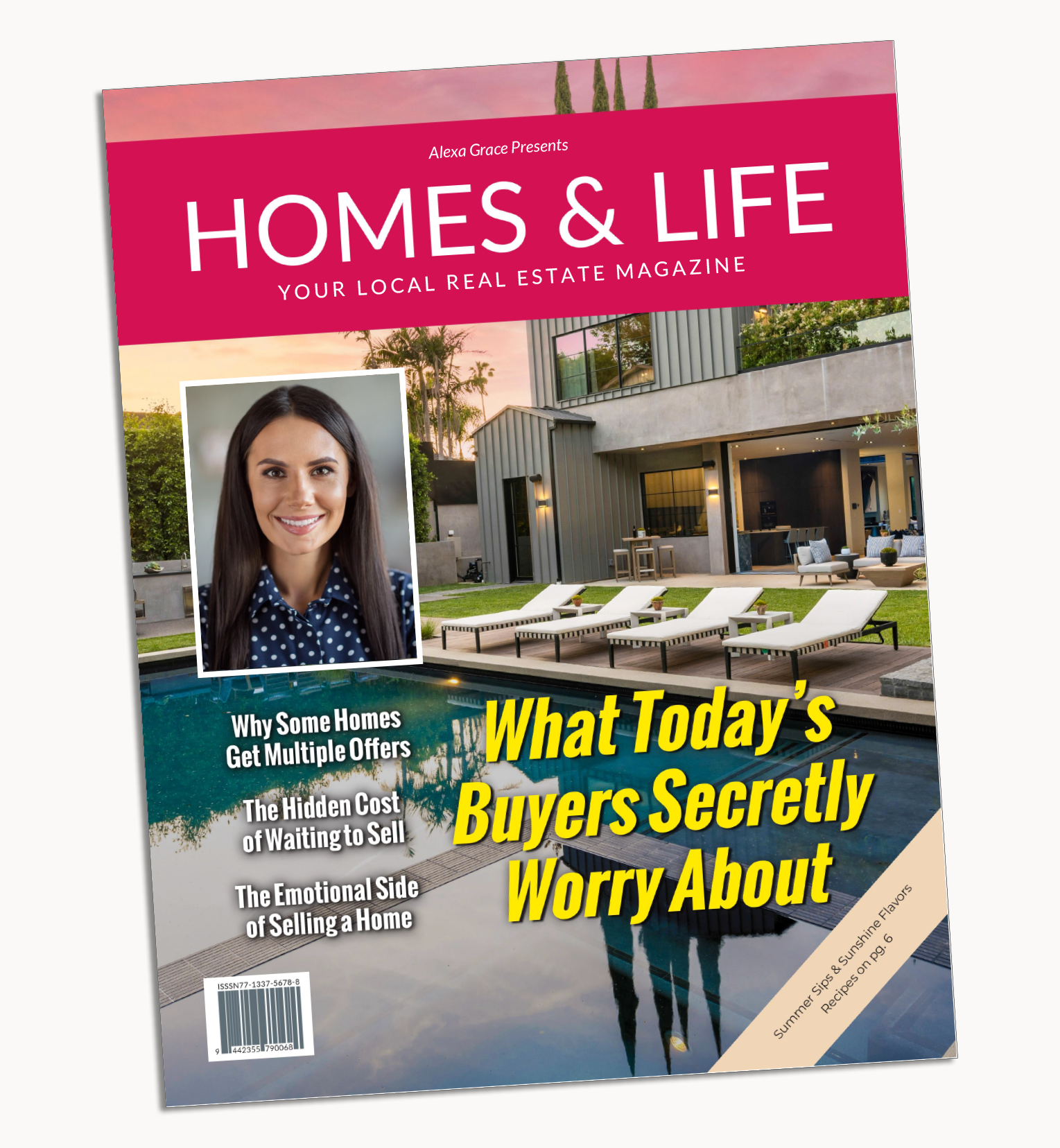
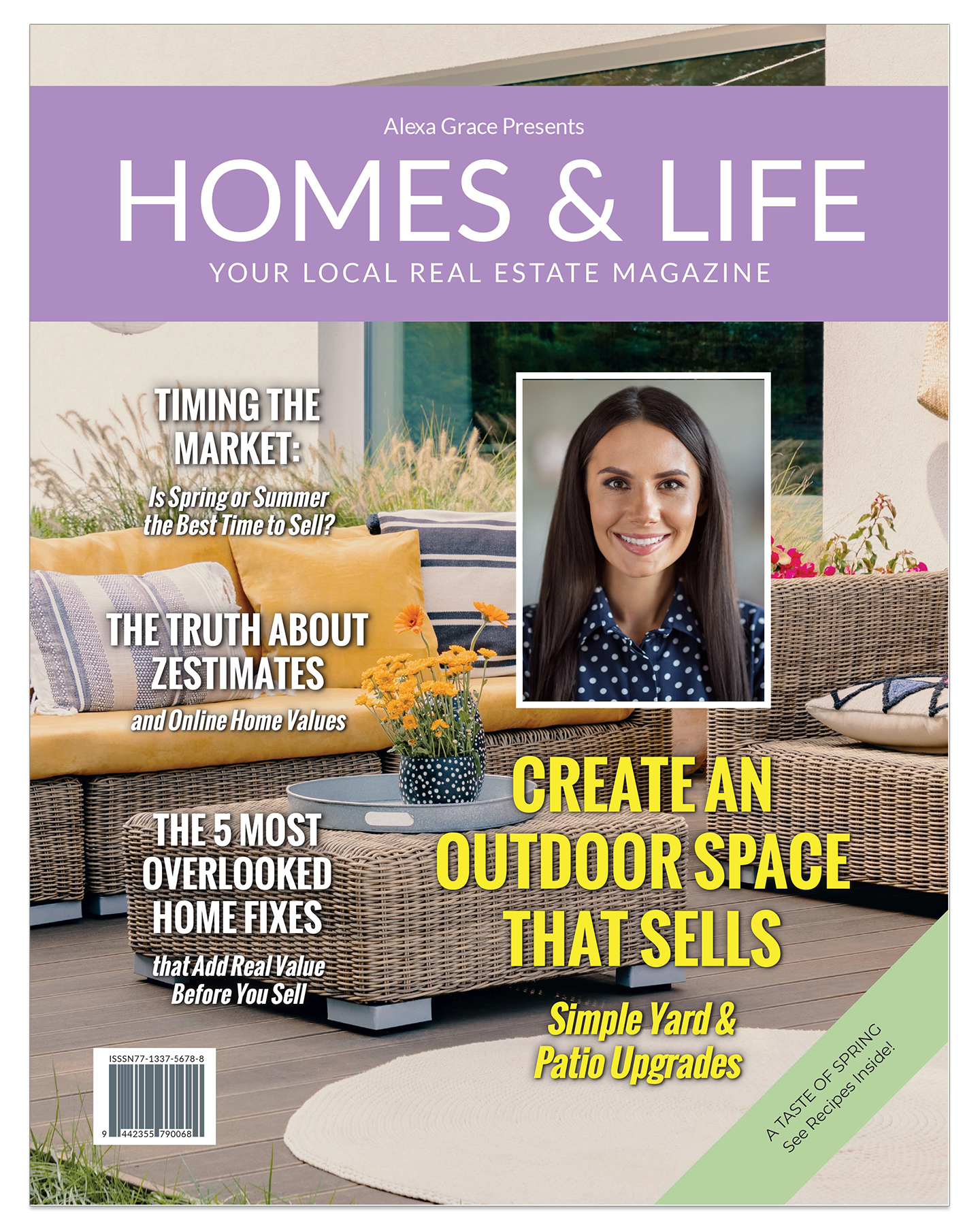
        Homes & Life Magazine

        A customizable magazine with compelling content that keeps you top-of-mind.


        Magazine →

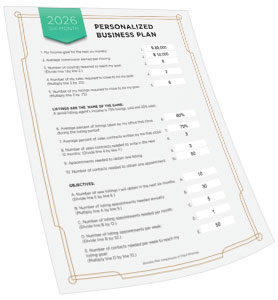
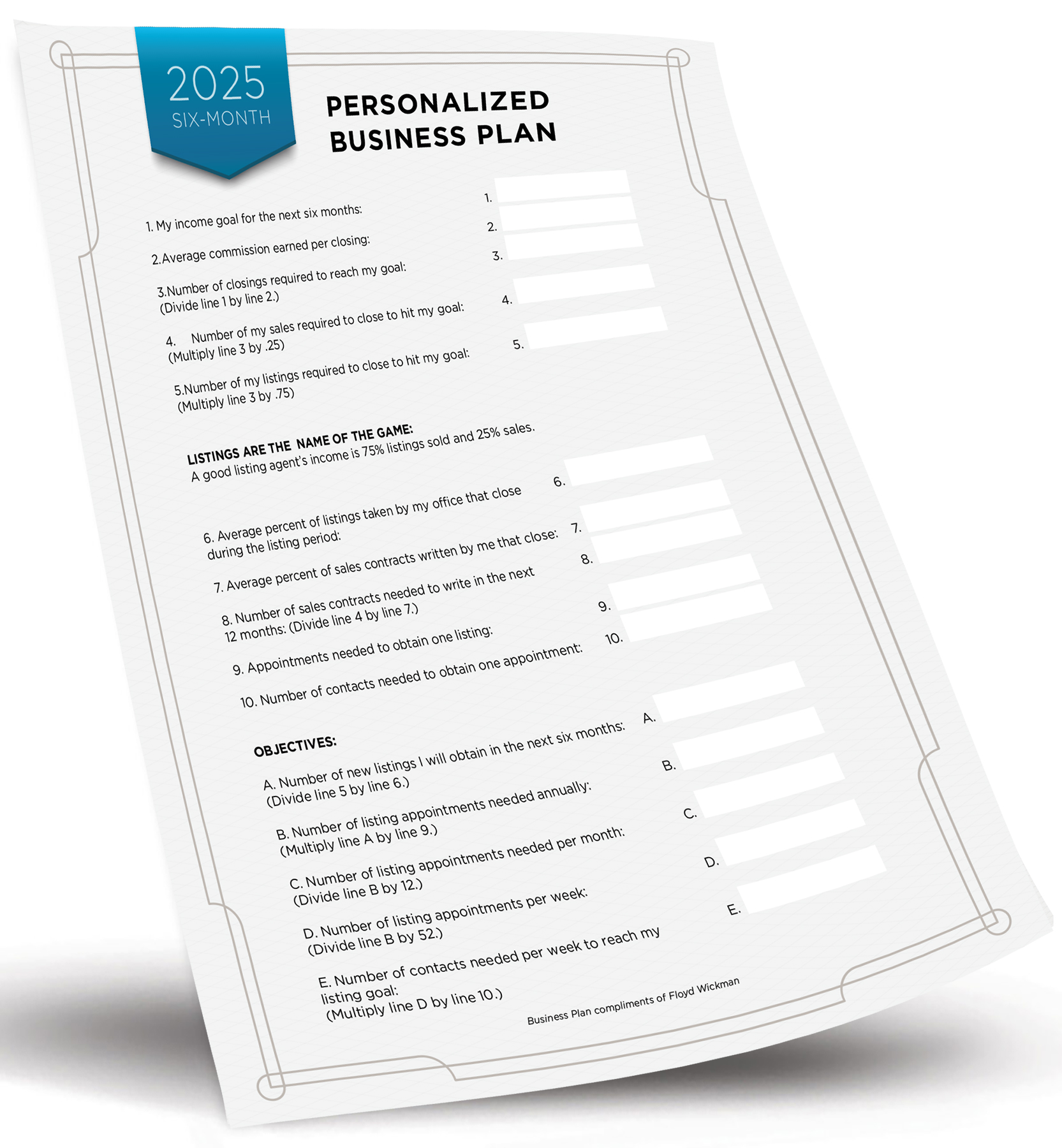
        Business Plan

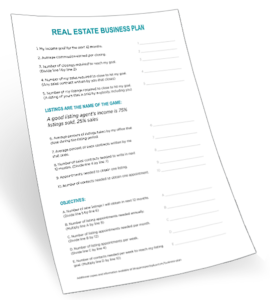
        Interactive Business Plan

        Map out your next six months with a simple planner built for real estate success.


        Get the Plan →


          When it comes to direct mail, one of the most common questions real estate agents ask is: How often should I mail?

          The answer isn’t simply “more.”

          The goal is to mail often enough that homeowners recognize your name and remember what you do—but not so randomly that every mailing feels like you’re starting over.

          Think in Terms of Consistency, Not Individual Mailings

          A homeowner who receives one postcard may glance at it and move on. That doesn’t mean the postcard failed.

          They simply may not need an agent today.

          The real opportunity comes from being there again when something changes: a neighbor lists, home values shift, their family situation changes, or they finally decide it’s time to move.

          That’s why direct mail works best as a campaign rather than a one-time event.

          So, How Often Should You Mail?

          For geographic farming, mailing approximately every 3–4 weeks creates a strong, consistent presence without requiring you to be in the mailbox constantly.

          More important than hitting an exact number of days, however, is maintaining the schedule.

          Mailing twice and disappearing for three months makes it difficult to build recognition. A steady campaign gives homeowners repeated opportunities to see your name, your face, your expertise and your message.

          And those messages don’t all need to say the same thing.

          One month you might talk about buyers looking in the neighborhood. The next could address home values, market activity, or why now may be a good time to sell.

          Different messages can reach homeowners at different points in the decision process.

          You Don’t Know Which Mailing Will Be the One

          That may be the most important reason to stay consistent.

          You can’t predict the week a homeowner will start seriously thinking about selling.

          But you can make sure you’re there when it happens.

          That’s the advantage of a geographic farming campaign. Instead of trying to perfectly time a single marketing piece, you’re building familiarity over time—and increasing the likelihood that your name is already known when someone in your farm decides they’re ready to talk.

          The best direct mail schedule isn’t the one you start. It’s the one you can consistently maintain.

          Start a Get More Listings Scheduled Campaign.

          Homes & Life Magazine

          A customizable magazine with compelling content that keeps you top-of-mind.


          Magazine →

          Business Plan

          Interactive Business Plan

          Map out your next six months with a simple planner built for real estate success.


          Get the Plan →


            A homeowner in your farm decides to sell.

            They don’t research 10 agents.
            They don’t compare websites.
            They don’t interview everyone.

            They think of 2–3 names.

            And if you’re not one of them…you were never in the running.

            The Real Problem: You’re Being Filtered Out Early

            Most agents assume they’re competing for listings.

            But in reality, many are being eliminated before the competition even begins.

            This happens quietly—long before a homeowner reaches out.

            It’s not about who’s the best agent.
            It’s about who comes to mind first.

            If your name isn’t familiar…you don’t exist in that decision.

            What Actually Gets You On the Shortlist

            It’s not just about being seen.
            It’s about being remembered for something specific.

            Think about it from the homeowner’s perspective. They’re not asking: “Who is the best agent?”

            They’re thinking:
            “Who do I know that can help me with this situation?”

            That’s where most marketing falls short.

            A “Just Listed” or “I’m your neighborhood expert” message builds awareness—but it doesn’t give homeowners a reason to choose you.

            How to Apply This Idea This Week (Simple + Actionable)

            Instead of sending another general postcard, do this:

            Pick ONE specific homeowner situation

            For example:

            • “Thinking about selling but not sure what to fix first?”
            • “Downsizing and don’t know where to start?”
            • “Your home didn’t sell—now what?”
            • “Curious what your home could sell for in today’s market?”

            Now you’re no longer just visible—you’re relevant.

            What This Looks Like in Real Life

            Let’s say two agents are mailing the same neighborhood:

            Agent A:
            Sends a standard “Just Listed” postcard.

            Agent B:
            In addition to announcing new listings, send a postcard offering a Free Curb Appeal Evaluation.

            A homeowner who’s been quietly thinking about selling sees both.

            Which one sticks?

            The one that connects to what they’re already thinking about.

            That’s how you move from “another agent” to
            👉 “the one I should probably call.”


            The Simple Way to Put This Into Motion

            This is exactly where the Call-to-Action Postcard Series comes in.

            Instead of guessing what to send, you can choose from proven, situation-based offers like:

            • Free Curb Appeal Evaluation
            • Downsizing Strategy Review
            • Expired Listing Sales Plan
            • First-Time Buyer Consultation

            Each one gives homeowners a clear reason to engage—not just notice you.

            And you can:

            ✔ Send once to test a message
            ✔ Or set it to run automatically as a campaign
            ✔ Launch in minutes with no upfront cost
            ✔ Pause, adjust, or change anytime


            You don’t need to compete harder for listings.

            You need to make sure you’re included before the decision is made.

            Because once you’re on that shortlist…everything else gets easier. And that’s a shift you can start making this week.

            That’s why so many agents feel like they’re “doing everything right” but still not getting calls.

            They’re trying to win opportunities they were never part of.

            The real shift is this:

            1. Stop focusing on being better once you’re in front of a seller.
            2. Start focusing on being remembered before they decide who to call.

            This is where consistent branding and geographic farming make the difference.

            When homeowners see you regularly—on postcards, in their mailbox, tied to activity in their neighborhood—you move from “unknown agent” to “one of the few.”

            And once you’re on that list?

            You’re no longer chasing listings.

            You’re being considered by them.

            _______________________________________________________________

            PLUS: When you have time…below are some marketing tools to help support your success.

            1. Put Your Real Estate Business a Step Above with Your Own Branded Magazine

            Homes & Life Magazine is a customizable magazine with rich, full-color content and a sharp, professional aesthetic. It includes compelling, direct, response-driven articles written by real estate industry experts and engaging lifestyle content. Send out Homes & Life Magazine in Just Minutes – No Minimums Required. Or we’ll ship it to you. Homes & Life Magazine is the ultimate “Coffee Table Lingerer”! …and it costs less than sending a greeting card! – Click Here


            2. The Free 2026 Q1 Real Estate Marketing Guide

            Kickstart 2026 with our Quarterly Real Estate Marketing Guide to help you achieve your real estate business goals. Packed with tools like a goal-setting sheet, monthly insights, tailored task lists, and marketing recommendations, this free guide is your ultimate resource for success—download it today for FREE! – Click Here


            3. The Free Interactive 6-Month Real Estate Business Plan
            The Free Interactive 6-Month Real Estate Business Plan allows you to enter your business goals for the remainder of the year and get a breakdown of how many prospects, listings, closings, and so on are needed to reach your goals.   – Click Here

              Summer presents a golden opportunity for real estate agents to connect with potential clients through strategic direct mail campaigns. With longer days and a more relaxed atmosphere, homeowners are more receptive to engaging with personalized outreach. Agents can transform their summer mailings into valuable listing appointments by implementing targeted strategies.

              Craft Compelling and Personalized Mailings

              To capture attention, your mailings should offer value and resonate with the recipient’s needs. Include local market insights, tips for home maintenance during summer, or information about community events. Personalization is key; addressing recipients by name and referencing their neighborhood can significantly increase engagement.

              Incorporate Clear Calls to Action

              Every mailing should have a clear, concise call to action (CTA). Whether inviting homeowners to a free home valuation, directing them to a personalized market report, or encouraging them to attend a local open house, a strong CTA guides the recipient toward the next step.

              Multi-Property Series is shown above. To see more, Click Here.

              Leverage Consistency and Timing

              Consistency in your mailing schedule keeps you top-of-mind. Aim to send mailings at regular intervals, such as bi-weekly or monthly, to maintain a steady presence. Timing your mailings to coincide with local events or seasonal milestones can also enhance relevance and response rates.

              Utilize Tracking and Follow-Up

              Implement tracking mechanisms, such as unique URLs or QR codes, to monitor engagement with your mailings. Follow up with recipients who interact with your content through phone calls or personalized emails to further nurture the relationship and move toward securing a listing appointment.

              Real estate agents can convert summer mailings into fruitful listing appointments by crafting personalized content, incorporating clear CTAs, maintaining consistency, and actively following up. Embracing these strategies positions agents to capitalize on the season’s opportunities and build lasting client relationships.


              PLUS: When you have time…below are some marketing tools to help support your success.

              1. Put Your Real Estate Business a Step Above with Your Own Branded Magazine

              Homes & Life Magazine is a customizable magazine with rich, full-color content and a sharp, professional aesthetic. It includes compelling, direct, response-driven articles written by real estate industry experts and engaging lifestyle content. Send out Homes & Life Magazine in Just Minutes – No Minimums Required. Or we’ll ship it to you. Homes & Life Magazine is the ultimate “Coffee Table Lingerer”! …and it costs less than sending a greeting card! – Click Here

              2. The Free 2025 Q1 Real Estate Marketing Guide

              Kickstart the second quarter of 2025 with our 2nd Quarter Real Estate Marketing Guide, designed to help you achieve your real estate business goals. Packed with tools like a goal-setting sheet, monthly insights, tailored task lists, and marketing recommendations, this free guide is your ultimate resource for success—download it today for FREE! –Click Here


              3. The Free Interactive 6-Month Real Estate Business Plan

              The Free Interactive 6-Month Real Estate Business Plan allows you to enter your business goals for the remainder of the year and get a breakdown of how many prospects, listings, closings, and so on are needed to reach your goals.   – Click Here

                Summer is a hot season for real estate, and with the right approach, your direct mail campaigns can be too. As buyers and sellers make moves under the sun, a tangible, targeted message in their mailbox can cut through the digital noise.

                In 2025, leveraging direct mail effectively means combining smart strategies with valuable content to nurture leads and grow your brand. Let’s dive into five strategies to make your summer direct mail sizzle.

                Hyper-Localize Your Summer Message

                Generic mailers get tossed. For your summer campaign, focus on specific neighborhoods or “farm” areas. Highlight recent sales in their community, summer-specific local events, or tips for enjoying local amenities.

                According to a 2025 report by Lob, “Direct mail is a powerful tool for real estate pros who want to stand out, build trust, and close more deals.” Tailoring your content to a micro-market demonstrates your expertise and relevance. Think “Your Guide to Summer Fun in [Neighborhood Name]” or “Recent Sales Near [Local Park/Attraction].”

                Offer Tangible Summer Value

                What can you offer that homeowners will actually keep and use? Consider a beautifully designed postcard with a list of “Top 5 Local Ice Cream Spots,” “Summer Home Maintenance Checklist,” or even a small packet of seeds for a summer herb garden. This value-added approach keeps your name in front of them longer. The goal is to be a resource, not just an advertisement.

                Integrate with Your Digital Efforts

                Your direct mail shouldn’t exist in a vacuum. In 2025, successful campaigns bridge the physical and digital. Include a QR code on your mailer leading to a summer-themed landing page with a free home valuation, a guide to “Summer Staging Tips for a Quick Sale,” or your latest market update video.

                REsimpli’s 2025 data highlights that “Marketing campaigns with direct mail and digital media saw a 118% lift in response rate.” Make it easy for recipients to connect with you online.

                Time Your Drops Strategically

                Summer has its own rhythm. Consider sending mailers just before long holiday weekends when people might have more time to consider big decisions, or mid-summer when the initial rush has passed but serious movers are still active.

                A “Mid-Summer Market Update” can be very effective. Consistency is also key; a one-off mailer is easily forgotten. Plan a series of 2-3 touches over the summer.

                Focus on High-Quality Design & Personalization

                With more marketers increasing their direct mail investment (82% according to Lob’s 2025 State of Direct Mail report), your pieces need to stand out. Invest in professional design, quality paper stock, and vibrant summer imagery.

                Where possible, personalize your message beyond just a name. Referencing property types common in the area or a general “Thinking of making a summer move, [Neighborhood] homeowner?” can increase connection. A polished, professional piece reflects the quality of your service.

                By implementing these strategies, your summer 2025 direct mail campaigns can be a powerful engine for generating leads and boosting your real estate business.


                PLUS: When you have time…below are some marketing tools to help support your success.

                1. Put Your Real Estate Business a Step Above with Your Own Branded Magazine

                Homes & Life Magazine is a customizable magazine with rich, full-color content and a sharp, professional aesthetic. It includes compelling, direct, response-driven articles written by real estate industry experts and engaging lifestyle content. Send out Homes & Life Magazine in Just Minutes – No Minimums Required. Or we’ll ship it to you. Homes & Life Magazine is the ultimate “Coffee Table Lingerer”! …and it costs less than sending a greeting card! – Click Here

                2. The Free 2025 Q1 Real Estate Marketing Guide

                Kickstart the second quarter of 2025 with our 2nd Quarter Real Estate Marketing Guide, designed to help you achieve your real estate business goals. Packed with tools like a goal-setting sheet, monthly insights, tailored task lists, and marketing recommendations, this free guide is your ultimate resource for success—download it today for FREE! –Click Here


                3. The Free Interactive 6-Month Real Estate Business Plan

                The Free Interactive 6-Month Real Estate Business Plan allows you to enter your business goals for the remainder of the year and get a breakdown of how many prospects, listings, closings, and so on are needed to reach your goals.   – Click Here

                  Before you launch your next direct mail campaign let’s take a moment to review the three rules for direct mail marketing success.

                  1. Choose the right prospect list
                  2. Provide a compelling offer
                  3. Follow best practices for marketing piece design

                  Read on to discover how to launch a successful real estate direct mail campaign.

                  1. Choose the right prospect list

                  Reaching the right people at the right time is key to the success of any type of marketing, including direct mail. Choosing the people who populate your prospect list is your first job.

                  To decide who goes on the list, determine your purpose with each direct mail campaign. Are you trying to build brand awareness in a farm area? Generate new clients? Which type, buyers, or sellers? What niche specifically renters, move-up market, baby boomers, fence-sitters, absentee owners, or luxury market (to name a few)?

                  It’s critical to determine your “why” and “who” before you begin. “Why am I conducting a direct mail campaign? Who do I want to reach?”

                  Then, laser focus your list to that audience using our targeted prospecting list tools.

                  Suppose you want buyer leads from a particular subdivision. Sure, homeowners may be thinking of moving, but it’s more likely that those currently renting are the best prospects. NAR states most buyers purchase a home within an average of 15 miles from their previous residence.

                  Or, you may want to target homes in the subdivision owned by absentee owners but target the tenants living in them with the MapMyMail tool.

                  2. Provide a compelling offer

                  The second rule refers to your offer, the second most important aspect of a successful direct mail campaign.

                  Retailers have an easier time with this one. Offering a percentage off, free shipping or buy-one, get-one-free are all popular.

                  What about real estate agents? What can you offer that might compel a recipient of their postcards to act?

                  If you offer enticing seller services, such as free home staging or a free pre-sale home inspection, by all means, play that up as your offer.

                  If you don’t offer free services, consider choosing one to use as your offer just for the direct mail campaign.

                  Keep in mind, however, that the number of hoops you force your prospects to jump through to take advantage of the offer impacts the response rate, according to Bob McCarthy at DMNNews.com.

                  The more they have to do, the lower the response rate.

                  3. Direct mail piece design best practices

                  “One strategy we use to get our highest response rates is to make the offer the centerpiece of the direct mail piece”, McCarthy claims.

                  Whether you choose to include an image of the free report or use text to describe it, mention it boldly and repeatedly.

                  Your message (its length and graphic requirements) will determine the medium. Keeping it plain and simple? A standard-sized postcard may do the trick, although jumbo, panoramic and mega-sized postcards stand out in the mailbox which makes for a genuinely lasting impression.

                  If it’s graphics-heavy and you’ll include substantial copy, using one of the larger postcard sizes (jumbo or panoramic) becomes even more important.

                  Choose a font that’s easy to scan as people sift through their mail. Many direct mail experts recommend using a sans serif font, such as Arial, rather than Times New Roman or another serif font.

                  Consider varying the font size throughout the text, with more important items highlighted with a larger version of the chosen font.

                  Additional design tips to keep in mind include:

                  • Ensure your headline is bold and compelling yet short and specific.
                  • Use lots of white space to make the piece appear to be easily digestible.
                  • Sub-headings help guide the reader through the text.
                  • Use a high-resolution photograph.
                  • Avoid placing text over photos.
                  • Ensure that your offer stands out and that your contact information is easy to find.

                  To save time, take advantage of our already professionally done-for-you postcard designs covering a variety of niches and topics.

                  4. Send it out . . . and keep sending

                  Consistency is key when it comes to sending direct mail to your prospect list. Whether you choose to run your campaign bi-monthly or monthly follow the laws of branding and keep sending.

                  Market conditions may prompt a change in frequency as well. New listings, just sold-homes, and other real estate news deserve an additional “mention” to everyone in your farm area.

                  5. Track your results

                  Tracking your results is vital to your direct mail campaign. One of the most popular methods used by agents is the creation of a dedicated landing page on their websites. The URL should be unique to the campaign so that you’ll be able to learn your exact response rate (number of responses divided by the total number of pieces sent).

                  Marketing experts vary when quoting an “average response rate” for direct mail. The most recent figure puts it at 9% percent. How close or far you are from that figure depends on how closely you follow the guidelines outlined above.

                  Ready to Launch a Direct Mail Campaign? Schedule a FARM, Call to Action Campaign in Just Minutes.

                  They’re currently on sale 10% OFF the first month – (sale ends 7/17/21).


                  FARM, Call to Action Scheduled Campaign (shown above). Learn more, HERE


                  TO LAUNCH A FARM, CALL TO ACTION CAMPAIGN:

                  Hit “CLICK HERE”, below, to schedule your campaign (from a desktop or laptop computer).

                  Use promo code: ACTION10 to save 10% off the first month.

                  And, remember, YOU DON’T PAY for each mailing until it actually goes out (cancel or change each mailing up until the night before it goes out).

                  Launch a FARM, Call to Action Scheduled Campaign now, CLICK HERE!

                  Please reach out to our support team at 866.405.3638 with questions or if there is anything we can do to help you with your success.


                  PLUS: When you have time…here are some helpful resources we’ve made available to support your success.

                  1. The Free 12 Month Done-For-You Strategic Marketing Plan

                  The Real Estate Marketing Planner is a powerful 12-Month-Guide that strategically defines what marketing to do when. Four key market segments are included, Niche Marketing, Get More Listings, Geographic Farming, and Sphere of Influence. –Click Here

                  2. The Free Interactive Real Estate Business Plan

                  The Free Interactive Real Estate Business Plan allows you to enter your business goals for this year and get a breakdown of how many prospects, listings, closing, and so on are needed to reach your goals.  – Click Here

                  3. Become a Neighborhood Brand

                  Become branded in a specific neighborhood with a 12X15 marketing piece sent automatically each month to an exclusive carrier route. Watch this video to learn more or Click Here.

                  4. The Free Real Estate Mailing List Guide

                  This image has an empty alt attribute; its file name is Real-Estate-Mailing-List-Guide2-3-D-999x1024.jpg

                  The Real Estate Mailing List Guide outlines the top tools for generating targeted prospecting lists including Baby Boomers, Empty Nesters, Investors, Lifestyle Interests, High-Income Renters, Move-Up Markets, and more. The Guide also defines done-for-you marketing campaigns to match these markets. –Click Here

                  5. Become a Listing Legend Free eBook 

                  This image has an empty alt attribute; its file name is Become-A-Listing-Legend-3D-Book-White-274x300.jpg

                  Ready to take a vertical leap in your real estate career? If you’re looking for inspiration…and the tools and methods to dominate a market and go to the top in real estate…you’ll find them in this free book. – Click Here

                  6. The Free Online ROI Calculator

                  This image has an empty alt attribute; its file name is ROI-calculator-b-233x300.jpg

                  Consistency and automation are the keys to success. Discover how effective direct mail marketing can dramatically increase your bottom line. Enter your statistics in our Free online ROI Calculator and click the ‘CALCULATE MY ROI’ button to see your results instantly! –Click Here

                  7. The Free Real Estate Marketing Guide “CRUSH IT” 

                  This image has an empty alt attribute; its file name is CRUSH-IT-Guide-3-d-298x300.jpg

                  The “Crush It” Guide includes easy steps to launching an effective direct mail marketing campaign, how to create a targeted prospect list, the perfect way to layout marketing materials for success, seven opportunities available to target in your area right now. –Click Here

                    “… why are so many business owners still creating, producing, printing, and mailing real newsletters?”

                    Interesting question.

                    There’s a perception out there that digital wears the crown as king-of-marketing-methods (placed there primarily by digital marketing companies).

                    Why would any business actually pay to mail a newsletter?

                    It’s Kim Walsh-Phillips, author and founder of Powerful Professionals, a multi-seven-figure business, who is asking that question. She hangs out on stages across the globe with the likes of Tony Robbins and Gary Vaynerchuk.

                    She claims that the effect of printed, mailed newsletters “… cannot be replicated.”

                    “My business empire has been built with print newsletters as its foundation and a centerpiece around which everything else orbits,” Walsh-Phillips explains.

                    “Well over 50% of my high-value private clients rise up out of my newsletter subscriber base …”

                    She’s not alone.

                    The Market Dominator (shown above)

                    In the category of “highly-effective” real estate newsletters, the Market Dominator is a branding masterpiece, that stands alone.

                    Not only is the Market Dominator automated, making your life easier, it’s updated every month with New, relevant content, including direct response offers to promote inbound calls.

                    Visually, the Dominator packs a punch with its 12 x 15 mega-size is impossible to miss in the mailbox.

                    If you’re interested in adding a newsletter to your marketing arsenal this year, the Market Dominator is the ideal choice.

                    Here’s the proof

                    “Print and direct mail marketing boasts a 9% customer response rate compared to other digital marketing channels, which hover around 1% … or less,” according to a study cited at rcbrayshaw.com.

                    The Direct Mail Marketing Association finds a minimum 15% ROI from direct mail pieces.

                    You do understand, don’t you, that your email newsletters are most likely not even opened? A recent study by SuperOffice Marketing finds that only a smidge over 22 percent of business emails were opened.

                    The response rate, or CTR, is even more abysmal, at slightly more than 2.5%. Compare that to direct mail’s response rate of 9%.

                    When you think about why there’s such a vast difference, it makes sense.

                    “Direct mail advertisements give people time to think,” notes Chris Barr, director of marketing for Taradell, LLC at neilpatel.com.

                    “With print advertisements, we’re not anticipating the next click … We’re not bombarded with competing ads from half a dozen alternatives who bid for our attention … It’s quiet,” he concludes.

                    Don’t have a newsletter?

                    While we consider the real estate newsletter as the cornerstone of any successful real estate practice, we are a bit biased. Our Community Newsletters are packed with valuable information for both potential clients and homeowners.

                    You can even upload your own creation to our website, and we’ll take it from there.

                    Here are some tips to ensure you create a successful real estate newsletter:

                    • Keep it engaging
                    • Create an eye-catching design.
                    • Keep content focused on one audience. You may need to create several iterations of your newsletter; one for buyers, one for sellers, one for past clients, one for tenants, another for landlords, etc.
                    • Use lots of photos.
                    • Brand it.
                    • Ensure the content is professionally written and of high value.
                    • Give them the news they want, not what you want them to know.
                    • Sneak in a testimonial or two here and there.
                    • Add an occasional human-interest story.
                    The Market Dominator
                    Make 2021 the year you ditch the email newsletters that don’t get opened, let alone read and focus on a newsletter that delivers on ROI like the Market Dominator.

                    Need help targeting a specific niche of buyers or sellers? Use our prospect list tools to create the ideal list (it’s easy) or call our support team for assistance at 866.405.3638!

                    PLUS: When you have time…here are some helpful resources we’ve made available to support your success.

                    1. The Free 12 Month Done-For-You Strategic Marketing Plan

                    The Real Estate Marketing Planner is a powerful 12-Month-Guide that strategically defines what marketing to do when. Four key market segments are included, Niche Marketing, Get More Listings, Geographic Farming, and Sphere of Influence. –Click Here

                    2. The Free Interactive Real Estate Business Plan

                    The Free Interactive Real Estate Business Plan allows you to enter your business goals for this year and get a breakdown of how many prospects, listings, closing, and so on are needed to reach your goals.  – Click Here

                    3. Become a Neighborhood Brand

                    Become branded in a specific neighborhood with a 12X15 marketing piece sent automatically each month to an exclusive carrier route. Watch this video to learn more or Click Here.

                    4. The Free Real Estate Mailing List Guide

                    This image has an empty alt attribute; its file name is Real-Estate-Mailing-List-Guide2-3-D-999x1024.jpg

                    The Real Estate Mailing List Guide outlines the top tools for generating targeted prospecting lists including Baby Boomers, Empty Nesters, Investors, Lifestyle Interests, High-Income Renters, Move-Up Markets, and more. The Guide also defines done-for-you marketing campaigns to match these markets. –Click Here

                    5. Become a Listing Legend Free eBook 

                    This image has an empty alt attribute; its file name is Become-A-Listing-Legend-3D-Book-White-274x300.jpg

                    Ready to take a vertical leap in your real estate career? If you’re looking for inspiration…and the tools and methods to dominate a market and go to the top in real estate…you’ll find them in this free book. – Click Here

                    6. The Free Online ROI Calculator

                    This image has an empty alt attribute; its file name is ROI-calculator-b-233x300.jpg

                    Consistency and automation are the keys to success. Discover how effective direct mail marketing can dramatically increase your bottom line. Enter your statistics in our Free online ROI Calculator and click the ‘CALCULATE MY ROI’ button to see your results instantly! –Click Here

                      What if I told you that sending out 200 marketing postcards for less than $150 (postage included) could potentially net you five new listings?

                      Barbara Todaro, a Franklin, MA agent, sent 200 Just Listed postcards to an area that surrounded her new listing and her mailing resulted in just that number – five new listings.

                      Todaro’s advice, “Never eliminate a method because it’s basic, those are often the best methods. The reality is, everyone reads their mail”. 

                      Yes, real estate postcard marketing has been around for a while. And, no, it’s not as innovative as digital marketing, but clearly – IT WORKS.

                      Left in the dust

                      We’ve definitely come a long way from the days of AOL dial-up connections to jet-propelled search engine rankings and the availability of real-time information.

                      It was a steep learning curve, but like most things in life, as agents became more tech-proficient, the demand for high-tech grew.

                      Just Listed/Just Sold Postcards

                      Unfortunately, along with this came new-fangled ideas regarding listing generation and conversion; that it should be quick and effortless. And, this false belief came at a price.

                      Old, yet highly effective marketing methods, were left in the dust by some agents, specifically the method with the longest history of success – direct mail marketing.

                      Snail mail? Guess again!

                      Direct mail outperforms email, social media, and all digital forms of marketing by 700 percent, according to research from the Data and Marketing Association (DMA).

                      In addition, the Marketing Sherpa survey showed that direct mail was the third most trusted form of marketing overall (behind magazines/newspapers and TV ads).

                      For comparison, search engine ads came in sixth and, at the bottom of the list? Online pop-up ads.

                      A customer of ours recently discussed his return to direct mail marketing, specifically Just Listed/Just Sold postcards, after spending some time away.

                      “My business was starting to be flat. I was still a top producer but where I used to have more listings than I did buyers, I now had twice as many buyers as I did listings”, Joe Cooper stated.

                      “I took a hard look at my business model and realized that it had been around two years since I’d used Just Listed/Just Sold postcards. I decided to start back up and see if it made a difference. Well, it has. Almost immediately, my listings have picked up!”.

                      Is farming a thing of the past?

                      In the past, most agents chose farm areas to target their best potential customers and direct mail marketing was the best way for them to reach these people. Guess what?

                      Direct mail marketing still is the best way to target your ideal customer.

                      Neighborhoods that are ripe for the picking include those that haven’t turned over in a while. Or you can choose to circle prospect and campaign in an area surrounding a recent listing or sale.

                      Just Sold Aerial Series

                      Your research into the right farm doesn’t stop with choosing your neighborhood; learning the area’s demographics (especially the average age and income of the residents) is vital to a successful campaign.

                      The easiest way to ensure you are targeting the right list is to source it using our targeted mailing list tools.

                      The postcard winners

                      So, which are the most effective postcards for real estate? By far, the top agents we’ve spoken with chose Just Listed/Just Sold postcards.

                      “We host monthly events at our office and invite local businesses and residents. When we send a Just Sold postcard, it includes an invitation message to the party,” states Laurie Laykish, Engle & Volkers.

                      Though the invite isn’t the focus of the card (the just-sold home is), “we have had at least 2 people from each drop of 200 cards that attend an event and sign up to buy or sell with us,” Laykish concludes.

                      A tip to keep in mind, nearly 15 percent of direct mail recipients who responded to a Marketing Sherpa survey say they often discard mailed pieces when they are “too focused on the company’s needs and not enough on their own.”

                      This is why it’s important to keep your postcard’s focus on what’s important to your target market. Detailing what’s in it for them will engage them far more than self-promotion.

                      If a year-round direct mail marketing strategy isn’t currently part of your plan – the time to change this is now.

                      Multi-Photo Just Listed Series
                      Send a Multi-Photo Just Listed postcard to a radius around your new listing. Use the MapMyMail tool, from a desktop or laptop, to generate this list in minutes.

                      Need help targeting a specific niche of buyers or sellers? Use our prospect list tools to create the ideal list (it’s easy) or call our support team for assistance at 866.405.3638!

                      PLUS: When you have time…here are some helpful resources we’ve made available to support your success.

                      1. Become a Neighborhood Brand

                      Become branded in a specific neighborhood with a 12X15 marketing piece sent automatically each month to an exclusive carrier route. Watch this video to learn more or Click Here.

                      2. The Free Real Estate Mailing List Guide

                      This image has an empty alt attribute; its file name is Real-Estate-Mailing-List-Guide2-3-D-999x1024.jpg

                      The Real Estate Mailing List Guide outlines the top tools for generating targeted prospecting lists including Baby Boomers, Empty Nesters, Investors, Lifestyle Interests, High-Income Renters, Move-Up Markets, and more. The Guide also defines done-for-you marketing campaigns to match these markets. –Click Here

                      3. The Free 12 Month Done-For-You Strategic Marketing Plan

                      This image has an empty alt attribute; its file name is 2020-Planner-3D-999x1024.jpg

                      The Real Estate Marketing Planner is a powerful 12-Month-Guide that strategically defines what marketing to do when. Four key market segments are included, Niche Marketing, Get More Listings, Geographic Farming, and Sphere of Influence. –Click Here

                      4. The Free One-Page Real Estate Business Plan

                      This image has an empty alt attribute; its file name is Business-Plan-3D-Book-New1-270x300.png

                      Treat your business like a business it is vital to long-term success in this industry. Some agents may put together elaborate business plans, yet there’s something powerful about keeping it simple. Check out our one page Online Real Estate Business Plan.  – Click Here

                      5. Become a Listing Legend Free eBook 

                      This image has an empty alt attribute; its file name is Become-A-Listing-Legend-3D-Book-White-274x300.jpg

                      Ready to take a vertical leap in your real estate career? If you’re looking for inspiration…and the tools and methods to dominate a market and go to the top in real estate…you’ll find them in this free book. – Click Here

                      6. The Free Online ROI Calculator

                      This image has an empty alt attribute; its file name is ROI-calculator-b-233x300.jpg

                      Consistency and automation are the keys to success. Discover how effective direct mail marketing can dramatically increase your bottom line. Enter your statistics in our Free online ROI Calculator and click the ‘CALCULATE MY ROI’ button to see your results instantly! –Click Here

                      7. The Free Real Estate Marketing Guide “CRUSH IT” 

                      This image has an empty alt attribute; its file name is CRUSH-IT-Guide-3-d-298x300.jpg

                      The “Crush It” Guide includes easy steps to launching an effective direct mail marketing campaign, how to create a targeted prospect list, the perfect way to layout marketing materials for success, seven opportunities available to target in your area right now. –Click Here