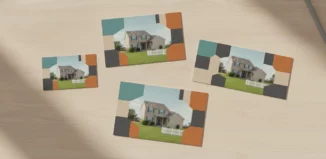

MapMyMail Real Estate: Using Route-Based Mailing for Farming

MapMyMail real estate planning starts with a simple question: which homes or streets should receive your message? For an independent agent, a well-defined farm can make postcard outreach more deliberate. The goal is not to mail every address you can find. It is to choose an audience, select a useful message and set a cadence you can keep up with.
ProspectsPLUS! offers targeted mailing data and direct-mail tools for real estate professionals. MapMyMail supports geographic selection, radius or area targeting, distinctions such as owner-occupant versus absentee-owner records, and exclusions. Those choices help shape a list around your plan. They do not confirm that a person intends to move or guarantees that a mailing will create a listing.
What should MapMyMail help you decide?
Think of MapMyMail as a way to turn a broad service area into a mailing audience you can describe. Before selecting addresses, write one sentence that explains the farm. For example: “I want to introduce my real estate services to households on these streets and maintain a consistent presence.” That is a clearer starting point than “send to everyone in town.”
A defined audience also makes it easier to choose the postcard. A neighborhood introduction might explain who you are and how you serve the area. A just-listed card can announce a new listing and show your marketing activity. A just-sold postcard can share a completed sale as a local touchpoint, without suggesting that the next home will sell for the same amount or on the same timeline.
Agents can use a farm to support several types of work: building name recognition in a chosen area, keeping in touch with past clients, or creating a repeatable routine around listing announcements. If you are organizing contact with your existing relationships as well, see this guide to working your sphere of influence. A sphere mailing and a geographic farm may overlap, but they are not the same audience. One is based on relationships; the other is based on location.
How do you define a farm before selecting records?
Start with an area small enough to explain and practical enough to serve. Depending on the campaign, that could be a set of streets, a neighborhood, a radius or another geographic boundary. Use a map to check the edges. Look for boundaries that make sense to you, such as a major road or a neighborhood entrance, rather than drawing an arbitrary circle and assuming it matches how residents think about the area.
- Name the audience. Decide whether the plan is broad geographic outreach or whether you have a specific reason to distinguish owner-occupant and absentee-owner records.
- Set the boundary. Choose the streets, radius or area you can support with relevant local knowledge and future follow-up.
- Review exclusions. Remove parts of the map or types of records that do not fit the purpose of this mailing.
- Match the message. Select a postcard that fits the audience and the action you want recipients to take.
- Check the send plan. Decide whether one mailing is enough for this purpose or whether a scheduled campaign would make the work easier to repeat.
That sequence helps keep targeting and creative connected. If the message is about a local listing, a wide and unrelated audience may weaken its relevance. If the goal is a general introduction, a simple neighborhood boundary may be more useful than adding data selections that do not change what you will say.
For more ideas about deciding which neighborhood to focus on, read how to build a neighborhood focus. The important next step is to make sure your chosen area is one you can serve and talk about consistently.
What is the difference between an address list and a postal route?
MapMyMail-style address selection and Every Door Direct Mail (EDDM) solve different distribution problems. An address-level list lets you select records using available geographic and demographic attributes. EDDM reaches every address on selected postal carrier routes, rather than individually selected named recipients. In other words, a route is a coverage choice, not a household-by-household list.
| Approach | How recipients are selected | Useful when | What to check |
|---|---|---|---|
| Address-level mailing list | Selected records based on chosen geography and available data options. | You want to define a particular audience or apply selected exclusions. | Confirm the boundary, record selections, quantity and whether the list is provided for this order. |
| EDDM route mailing | Every address on selected carrier routes, not a named-recipient selection. | You want broad coverage across one or more whole routes. | Check route boundaries, piece quantity, preparation, postage and service tier. |
| Addresses you supply | Your own uploaded contacts or address file. | You already have a permission-appropriate audience and want to mail that list. | Review address quality and make sure the file matches the intended mailing. |
There is no universally best choice. If you need to reach an entire route, route-based EDDM may fit the objective. If your plan depends on selecting particular address records or using available audience filters, an address-level list may be a better match. For a route-focused project, review the distinct steps in this guide to making direct mail work for your plan.
Postal requirements and service options can change. Check the current information from the United States Postal Service before finalizing preparation or postage assumptions. Do not treat a postal route selection as a list of individually chosen homeowners.
How do you choose postcard content for a farm?
Give each postcard one job. A farm introduction should make it easy to recognize your name and understand your real estate role. A just-listed postcard should focus on the listing announcement. A just-sold postcard can report the sale and invite a natural next step, such as visiting your website or contacting you about your services. Avoid crowding one small card with several unrelated offers.
Start with a design and copy that already fit the purpose. ProspectsPLUS! provides real estate marketing materials and professionally written postcard copy as an easy default. Changing the headline, offer or call to action is optional. If you do customize, keep the message direct and check every detail before ordering: the property information, your contact details, the geographic relevance and the action you want a recipient to take.
For listing outreach, consistency matters. A just-listed postcard and a later just-sold card can reinforce the fact that you are active in the area, but they should each stand on their own. Do not imply that one transaction predicts a particular result for another property. Your mail is a way to communicate and stay visible, not a promise of a future sale.
Agents deciding how to connect mail with their follow-up can also read practical direct-mail guidance and review tools for real estate agents. A postcard works best as one part of a clear routine: decide what you will send, when it will arrive according to the selected service, and what relevant follow-up you will do.
Should you mail once or schedule a recurring campaign?
A single mailing is useful for a specific moment, such as announcing a new listing or sharing a recent sale. A recurring campaign is designed for continued visibility. Instead of rebuilding the plan every month, you can schedule sends around a chosen cadence. Scheduling reduces ongoing work, especially when the audience and general message are already clear.
With scheduled postcard campaigns, customers pay as they go; there are no upfront charges for future mailings. Future sends can be canceled, changed or paused without a penalty, subject to the account cutoff for changing the next send. Review the account timing before the next scheduled mailing so you know when a change needs to be made.
A repeat plan should be realistic. Decide how often you can stay engaged with the farm and whether you have useful reasons to mail at that frequency. A just-listed or just-sold card can add timely local communication, while a broader postcard can support the ongoing presence between listing events. The right cadence depends on your goals, budget and chosen audience, not a one-size-fits-all formula.
Before ordering, price the actual plan rather than relying on a general number. Pricing can vary with quantity, size, mail class, data selections, postage or route-service options, and scheduled sends. A list charge, printing charge and postage are not interchangeable; confirm which are included in the configuration you select.
What should you review before you launch?
Use this checklist to catch a mismatch before the mailing enters production:
- Audience: Can you explain who is included and why the audience fits the postcard?
- Map: Have you reviewed the actual boundary, exclusions and selected routes or records?
- Mailing method: Is this individually selected address-level data, an uploaded file or whole-route EDDM?
- Quantity and costs: Does the order reflect the number of pieces, format, data and postage or route options you intend to use?
- Creative: Is the copy clear, accurate and focused on one purpose? Are edits necessary, or is the supplied copy already a fit?
- Cadence: If sends repeat, is the schedule manageable, and do you know the cutoff for changing the next send?
- Follow-up: What will you do if someone responds? Make sure the answer is practical before the postcard goes out.
Also remember that purchased lists do not automatically refresh, and a selected territory is not permanently exclusive. If you plan to reuse an audience later, revisit the targeting choices and confirm that the records still match your current plan rather than assuming the first selection updates itself.
How can you make the farm repeatable?
Keep a simple record of the choices behind each campaign. Note the area, audience type, exclusions, postcard purpose, quantity and schedule. If you later expand the farm, this record gives you a point of comparison: you can see whether you added nearby streets, changed from a targeted address selection to whole-route distribution, or simply mailed more pieces. It also helps you avoid changing too many variables at once.
Plan a short review after each send. Ask whether the selected audience still matches your business, whether the postcard was timely, and whether you completed the follow-up you planned. Do not judge a mailing only by whether it produced an immediate listing conversation. A postcard can also support ongoing recognition, but that is not a guaranteed result. Use responses and your own business priorities to decide whether to continue, adjust the map or change the next message.
If a farm includes recent listing activity, keep the next communication accurate and current. A just-listed card should not linger as if the home were still newly listed after circumstances change. A just-sold card should describe only the completed transaction and avoid suggesting identical outcomes for other homes. Use campaign scheduling to reduce repetitive setup, then review upcoming sends so the audience and creative remain appropriate.
Frequently asked questions
Does MapMyMail identify homeowners ready to sell?
No. Geographic or demographic selections and property data are not confirmation of a homeowner’s intent. Use the selected audience as a mailing choice, not as proof that someone plans to sell.
Is route-based mailing the same as selecting a mailing list?
No. A purchased or selected address list uses individual records and available selections. EDDM distributes to every address on selected carrier routes rather than choosing named recipients one by one.
Can I build a farm using only a small area?
You can define a mailing area that fits your plan, but check the available selection and order options when setting up the campaign. Choose a boundary you can explain and support with relevant local communication.
Do recurring campaigns require paying for every future mailing in advance?
No. Scheduled postcard campaigns are paid as you go, without upfront charges for future mailings. Future sends can be canceled, changed or paused without a penalty, subject to the cutoff for changing the next send.
MapMyMail real estate planning is most useful when the map, audience, postcard and cadence all support the same practical goal. Define the farm carefully, confirm how recipients are selected, then launch a mailing you can follow through on.