

Why the New Year Is the Perfect Time to Refresh
A new year naturally puts homeowners in a reflective mindset—and that makes it the ideal moment for agents to reassess how their brand shows up.
Your brand isn’t just your logo or color palette. It’s the feeling people get when they see your name, your postcard, or your email. Reinventing your brand doesn’t mean starting over; it means refining how clearly and confidently your message lands.
Step One: Clarify What You Want to Be Known For
Strong brands are simple. Ask yourself: What do I want homeowners to remember—without explanation?
Whether it’s market expertise, calm guidance, or consistent communication, clarity creates confidence. Remove messaging that tries to say too much and focus on one or two core promises you can consistently deliver.
Step Two: Align Your Visuals With Your Message
Visuals communicate before words do. Review your postcards, newsletters, and online presence. Do they feel current? Clean? Intentional?
Updating photography, tightening layouts, and using consistent colors can instantly modernize your brand—without changing your identity.
Step Three: Show Up Consistently Everywhere
Reinvention only works if it’s visible. Homeowners trust what they see repeatedly.
When your mail, email, and social media all reflect the same tone and message, your brand becomes familiar—and familiarity drives preference when it’s time to list.
Reinvention Is Evolution, Not a Restart
The strongest brands don’t chase trends. They evolve thoughtfully. Small, intentional updates done consistently can make your marketing feel fresh, relevant, and trustworthy all year long.
A new year is your opportunity to show your market the best, most confident version of your brand—starting now.
Launch a Geographic Farm Scheduled Campaign and stay in front of your market throughout 2026 without effort, Here →
______________________________________________________________________
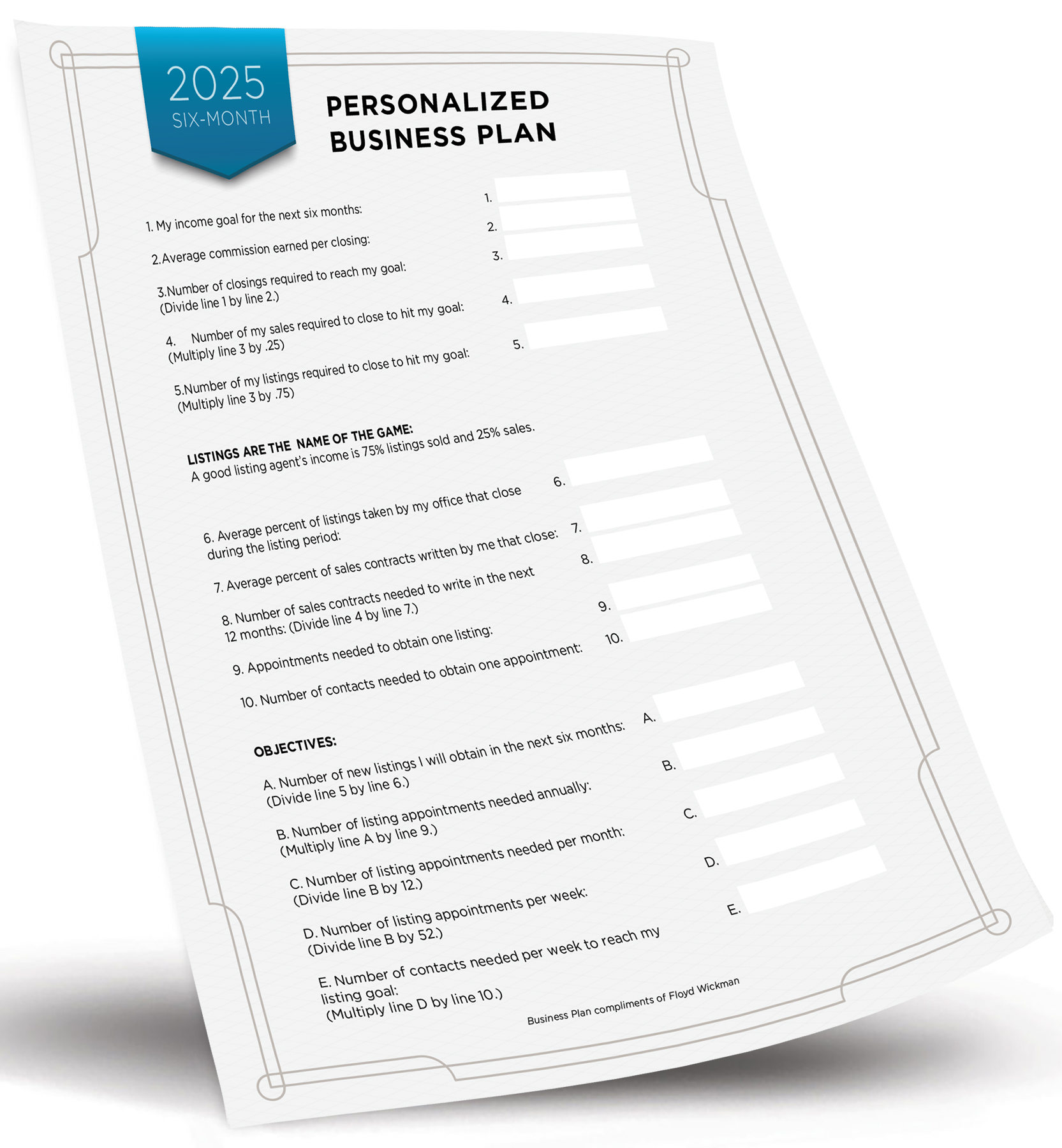
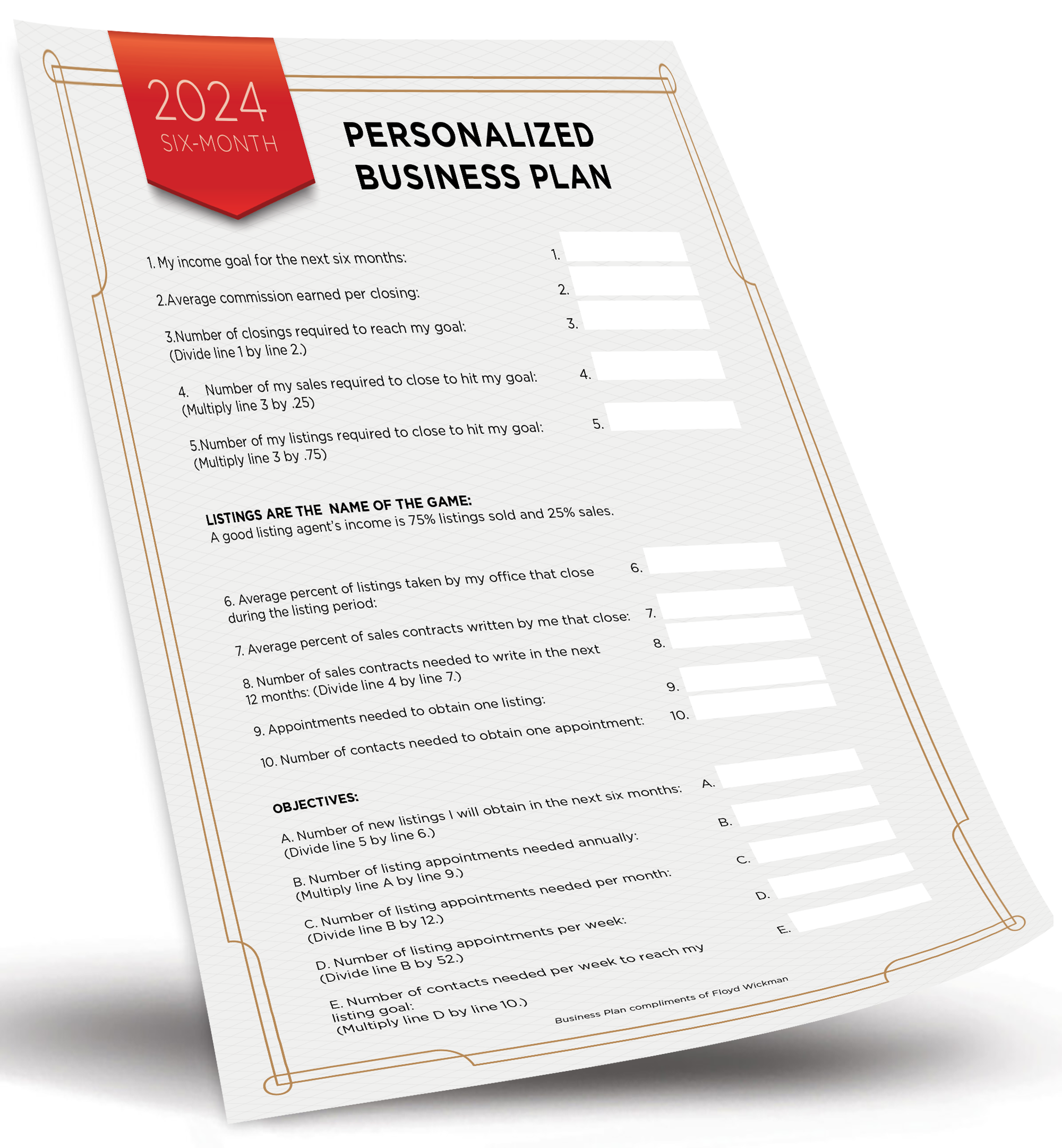
PLUS: When you have time…below are some marketing tools to help support your success.