

Thursday, November 12, 2026

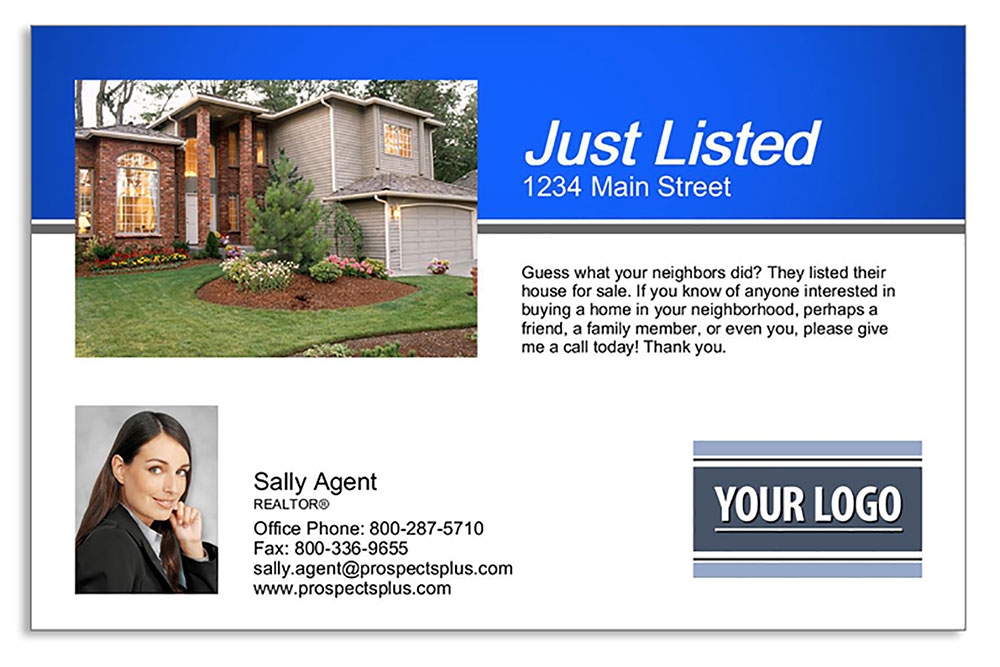
Tablet displaying predictive seller lead data and an upward-trending graph for real estate agents.

Your next listing may come from a homeowner who has not called an agent yet. Predictive seller leads for real estate agents use property and market signals to flag homes that may sell sooner. So you can plan outreach before a sign goes up.

A score is a priority list, not a promise. Use it with local knowledge and a respectful first message. This guide covers how scores are built, how to judge a provider, and how postcards and follow-up turn a list into a pipeline.

Get started with Listing Lens AI℠ and aim your first mailing at homes scored as more likely to sell within the next 180 days.

Key Takeaways

  • Use scores to rank outreach, not to guess intent. A high score means more signals, not a confirmed plan to list.
  • Check coverage, freshness, and what the score means before you order a list or launch a campaign.
  • Mail something useful and track the result. A neighborhood update beats a message that pretends you know their plans.

What Are Predictive Seller Leads for Real Estate Agents?

Predictive seller leads are homeowners a model ranks as more likely to sell in a set window. The homeowner has not asked for a valuation or called about listing. You use the rank to decide who hears from you first.

Models differ, but most start with public and licensed records. Typical inputs are years owned, mortgage age, estimated equity, home size and age, and how often nearby homes have sold. Some add broader demographic patterns. The model weighs those inputs and returns a score. A higher score means more of the patterns that showed up before past listings. It does not mean the owner has decided to move.

Treat the score as a filter on top of work you already do. Referrals, inbound calls, and a farm you mail every month still matter. A real estate postcard campaign is one way to reach a scored group without implying they are ready to list.

How a score estimates the chance of a sale

A useful model looks backward first. It studies homes that listed and homes that did not, then looks for shared traits among the ones that sold. Years owned, equity estimates, and nearby sales are common traits. The output is a number for a window, such as the next six months. Two providers rarely match, because the inputs differ. Ask which records feed the score, how often they refresh, and what window the number describes.

Why a score is potential, not a timeline

A high score cannot tell you the owner will sell, or that they will hire you. People stay, delay, or list with someone else. Write the first touch as if the score might be wrong. A short neighborhood update gives the reader a reason to keep the card. Do not write as if you already know their plans. Spot-check a few owner names before you mail the whole file.

How predictive leads differ from calls, referrals, and a raw farm list

An inbound lead already acted. A referral arrives with trust attached. A raw farm list is every address inside a boundary you chose. A predictive lead is different: the data suggests a higher chance of a sale, and the person has not asked to hear from you.

Lead with a fact about their street, then stop. Use scores to order the farm, not to replace people who already know you. ProspectsPLUS! mailing lists can narrow a geography by the fields the file contains.

What Signals Can Indicate a Homeowner May Sell?

Most owners do not announce a move early. Predictive tools look for patterns in ownership, the property, and the surrounding market, then rank who may list sooner. For you, the rank is a way to pick streets and a first mailing, not a script.

No single clue is enough. Long ownership plus equity can mean a move is affordable, or it can mean the owner likes the house. A new roof can be prep for a listing or a plan to stay. Read combinations, confirm the records are current, and apply what you see on the ground.

Start with ownership length, mortgage age, and equity

Years in the home is context, not intent. A mortgage that is mostly paid down can make a move easier to afford. Estimated equity is only a clue, and it misses remodels, new loans, and sharp local price moves. Use it to order research, then talk about the neighborhood.

Read the house, its sales history, and the block

Size, age, last sale date, and nearby sales tell you how to write, not whom to pressure. A block with several recent sales may want a “here is what sold” card. A quiet block may want a slower introduction. Check those sales yourself before you build a campaign around a trend that has cooled.

Treat projects and life events as weak clues

A remodel can mean a listing is coming, or a plan to stay. Do not mail someone because of age or family status. Pair weak clues with property records, share a street-level update, and leave room for the owner to say what they want.

Check freshness, accuracy, and coverage before you mail

A strong signal on a stale record wastes postage. Owner names change, phones go dead, and values drift after a remodel. Before a drop, confirm the file covers the streets you farm and note when it was last updated.

Ask which signals built the score and how often the vendor refreshes them. Coverage varies by market. Listing Lens AI℠ scores single-family homes on the chance of a sale within 180 days, using a Sellability Score from 1 to 1,000. Pair that rank with streets you already know, and review the file before the first drop.

What Are the Benefits and Limits of Predictive Seller Leads?

A scored list helps you spend time and postage where the signals are stronger. Instead of treating every door on a farm as equal, you mail a smaller group first and keep the rest on a slower rhythm. That is the practical gain: a clearer order of work.

The limit is the word estimate. A score is not a listing appointment, and it cannot name a closing month. Records are incomplete, plans change, and many people will not reply. Keep referrals, inbound inquiries, and targeted postcard campaigns in the same plan.

Mail stronger signals first, and keep the farm

When the list is long, a score tells you whom to print this month. A higher score is a reason to go first, not a reason to drop everyone else. Keep the broader farm on a steady card, then compare replies. If the high-score group does not talk to you more often, change the message or the cutoff.

Show up before they choose an agent

The useful window is the months before someone asks friends for a name. The first card often lands before they are ready to talk. Offer a sales snapshot or a short introduction. Skip the hard ask.

“Here is what sold on your street” is fair. “I know you are getting ready to list” is not. If they reply, note how they want to hear from you and wait for them to ask for more.

Judge the work by steps, and keep other sources

Count replies, appointments, and signed listings. If a drop is quiet, review the list, the message, and the follow-up before you blame the tool. A referral starts with trust, and an inbound lead already took a step. Track each source on its own so one quiet channel does not hide a productive one.

How Listing Lens AI℠ Puts Scores to Work

Predictive seller leads stay theoretical until a score becomes a list and a list becomes mail. Listing Lens AI℠ is ProspectsPLUS!’s way to do that for single-family homes. This section is the practical version: what the score means, how a first campaign looks, and how to read the result.

Read a Sellability Score as a rank, not a promise

Listing Lens AI℠ assigns every single-family home a Sellability Score from 1 to 1,000. A higher score means a higher estimated chance the home lists within 180 days. The model draws on a large set of inputs, including long-run sales history, local market trends, and demographic patterns.

Use the number to sort a stack. Homes at the top of your farm get this month’s card. Homes in the middle stay on a slower farm rhythm. Homes at the bottom are not a verdict that the owner will never sell. They are a reason to spend postage somewhere else first.

Run one scored neighborhood before you scale

Pick a farm you already know. Pull the highest scores in that boundary, and cap the first order at a count you can follow up by hand. ProspectsPLUS! sets a low minimum so a test does not require a large commitment. Check a sample of owner names against houses you have been inside or sold nearby. If the names look wrong, fix the file before you print.

Write one card. A simple version names two or three recent sales on that street, states that you work with owners nearby, and offers a no-pressure value conversation. Do not mention the score, the model, or any personal trait. Mail it, log the drop date, and wait. A second card several weeks later can repeat the update with fresher sales. That is enough for a first test.

Compare the scored list with the rest of the farm

Keep a control. Mail the same style of card, on a slower schedule, to the rest of the farm. In your notes, tag every reply as scored-list or broad-farm. After a few drops, compare replies, appointments, and listing talks.

If the scored group replies more, widen the score band or add an adjacent street. If it does not, change the card before you change the tool. Message and list problems look the same in a reply rate until you separate them.

Lead source What you know at first contact Best first move
Predictive seller lead. You have a score, not a request. Mail a local sales update.
Inbound inquiry. They asked for information. Answer the same day.
Referral. Someone they trust named you. Follow the introduction.
Geographic farm. They live in your target area. Keep a steady postcard rhythm.
  1. Choose one farm you know well, and check owner names before you print.
  2. Mail the top scores first. Keep the rest of the farm on a slower card.
  3. Send a first card with recent local sales and a clear way to reply.
  4. Mail one fresher update to people who have not responded.
  5. Compare scored-list replies with the rest of the farm before you expand.

Hand the repetition to an automated drop

Once the first card works, you should not rebuild it by hand every month. Listing Lens postcard campaigns are built to mail the scored group on a set schedule, so your name stays in front of owners while the scores refresh. You still approve the message and the area. The schedule handles the repeat touches that a one-off list never gets.

Add streets when the comparison says the scored group is earning its postage. There is no long contract required to start, which makes a small test the right first move. Launch a campaign when the sample list and the first card both look right.

How Should Agents Evaluate Predictive Leads and Providers?

A score is only as useful as the records and the definition behind it. Before you commit, confirm the file covers your streets, how often it updates, and what the number claims to predict. An estimate is not a decision to sell.

Price per record is a weak comparison. Weigh freshness, whether the vendor will explain the score, how you are allowed to mail, and whether the file lands in the system you already use. ProspectsPLUS! mailing lists include targeting fields, and Listing Lens AI℠ frames its score as a 180-day rank. Use that window to order outreach, not as a date the owner will list.

Check coverage, freshness, and what the number means

Review a sample against public records and houses you know. A national file can still miss your farm. Ask for a date on the record, and ask whether the score is a general likelihood or a set window, such as 180 days. That answer decides whom you mail this month.

Add up the real cost, then confirm you can mail

A cheap score is not cheap if print and postage come from somewhere else. Ask what each score band means in plain words, and confirm the file works for postcards. Postcard campaign options show how a list and a repeat drop fit together. You also need a way to export address, score, and mail status into the system you already use.

Confirm privacy and a place to record opt-outs

Ask where the data comes from and how removal requests are handled. Your team needs one shared note for “do not mail me,” so the next drop does not ignore it. Mail and phone follow different rules. If you call, use the National Do Not Call Registry at Do Not Call.gov. For mail, keep your own suppression list.

How Can Agents Nurture Predictive Seller Leads?

A score can order the list. It cannot tell you what the owner wants. Plan a short series of useful notes, and keep the score in your file, not on the card.

Split the list into three groups you will actually mail

Group by score band and by neighborhood. This month’s mail is the top band in a farm you know. A later follow-up is the middle. A quarterly review is everyone else. Mailing lists with geographic filters make those groups practical to print. A higher band is not a promise the home will list this season.

Write a first card that still works if the score is wrong

Lead with recent sales on that street, or one prep tip. Say you work nearby. Leave the score off the card. Make it easy to reply and easy to opt out. A specific block beats a ZIP-wide blast, and it is also how you stand out if other agents are mailing similar lists.

Set a short cadence, log it, and honor a stop

Decide the sequence before the first drop. A workable start is an intro card, one fresher update a few weeks later, and a neighborhood note after that. Log the date, the topic, and any preference, such as email instead of mail. If someone asks you to stop, write that where the next drop will see it. A high score is a reason to mail sooner, not more often. Postcard campaigns can carry the repeat without a new design every month.

Fix one thing when the replies stay quiet

A low reply rate does not automatically mean the scores failed. Check whether the names were current, whether the card offered a clear next step, and whether people could reach you. Change one of those and mail again. Replies without appointments point to the offer. Appointments that stall point to the consult.

How Can Predictive Leads Fit Into a Reliable Pipeline?

Scores help you order a farm. They are not a pipeline by themselves. Pair them with people who already trust you, with streets you know, and with fast follow-up when someone contacts you first.

Give each source a rhythm. Decide how often you will reach out, match the note to the person or the block, and record the source and the outcome. Review replies, appointments, and signed listings, then move time and budget toward what is working.

Keep referrals next to the scored list

Referrals and past clients start with trust a score cannot create. Stay in touch with a useful market note, not a pitch every time. Give that outreach a place on the calendar so the scored list does not crowd it out.

The National Association of REALTORS® 2025 Profile of Home Buyers and Sellers covers transactions from July 2024 through June 2025. A summary of that profile reports that 37% of sellers found their agent through a friend. Neighbor, or relative, and 29% used an agent they had worked with before.

Only 5% of sellers responded to an agent’s direct outreach. Track referrals and predictive leads apart so you can see which source produces conversations. Read the profile coverage in NAR’s 2025 report on buyer and seller trends.

Use scores to refine a geographic farm

Geographic farming works because the same households see you on a steady schedule. A score helps you decide which of those households get the tighter card. It does not replace what you know about recent sales and what owners on that street care about.

Inside the farm, mail the higher Sellability Scores first and keep everyone else on the regular farm piece. Listing Lens AI℠ is built for that split: a 180-day rank you can turn into a list, then into mail.

Balance mail with open houses and inbound inquiries

Postcards reach people who are not looking for an agent. Open houses and inbound inquiries reach people who already are. Do both. Mail the scored group, invite nearby owners to an open house, and answer new inquiries the same day.

Match the follow-up to the first touch. A postcard can invite the block to an open house. A conversation at the door should pick up the question they asked, not restart a score-based script. Just listed postcards and just sold postcards are the natural companions once a listing is live. Predictive mail is the work that happens before that.

Do not depend on one source

Referral volume dips. A campaign that worked last quarter can go quiet. Keep predictive mail, referrals, farming, open houses, and inbound inquiries in the same month so one slow channel does not empty the pipeline.

Log the source, the follow-up, and whether the contact became an appointment or a listing. Review the mix on a set schedule. Keep what is producing, and adjust when the numbers or the local market change.

Which Metrics Show Whether Predictive Seller Leads Are Working?

Scores decide whom you mail. Results decide whether that choice was right. Track every step from the first card to a signed listing, and label the source in your CRM.

Count replies, appointments, and signed listings

Measure how many owners you reached, how many replied, how many met with you, and how many signed. Many deliveries and few appointments usually mean the card or the ask. Use the same definitions for every campaign so the comparison is fair.

Measure cost per signed listing, not just cost per name

Cost per lead is spend divided by prospects. Cost per signed listing divides that same spend by listing agreements. Include print, postage, data, and follow-up time. A pricier list can still be the better buy if more of those owners become clients.

Give the campaign a full cycle before you judge it

Some owners reply quickly. Others need several useful touches. Judging a drop after two weeks will make a slow campaign look like a failure. Count listings by quarter, and set the score’s 180-day window next to what actually happened.

Change the cutoff, the card, or the timing

Label predictive leads, referrals, open-house contacts, and inbound inquiries the same way every time. If a score band never turns into a conversation, test a different cutoff. If people reply but will not meet, clarify the offer. If follow-up is ignored, change the timing instead of mailing the same card more often. Listing Lens AI℠ can retarget by location and by predicted activity once you know which change helped.

Put Predictive Seller Leads on a Schedule

Pick one farm, mail the higher scores a useful local card, and log every reply. Get started with a small Listing Lens AI℠ test before you expand the area. When the scored group outperforms the rest of the farm, launch a campaign and let the repeat drops carry the follow-up.

When the scored group beats the rest of the farm, get more listings with Listing Lens AI℠ and launch a campaign on a set schedule.

Frequently Asked Questions

Are predictive seller leads guaranteed to list?

No. A score estimates the chance of a sale from the records a model can see. Owners stay, delay, or hire someone else. Use the number to decide whom to mail first, not as proof they plan to move.

How do predictive leads differ from inbound leads?

An inbound lead already asked for information or contacted an agent. A predictive lead is a homeowner the data ranks as more likely to sell, even though they have not raised a hand. Plan on quieter, more patient follow-up.

What should the first message say?

Share a neighborhood sale, a short market note, or a practical prep tip. Introduce yourself as a local resource. Do not say or imply that you know they are about to list, and do not mention the score.

What should I check before I choose a provider?

Ask which records build the score, how often they refresh, and whether your streets are actually covered. Confirm you can mail from the file, export it into your CRM, and suppress anyone who opts out.

How do I know the spend is worth it?

Track replies, appointments, signed listings, and the full cost of data, print, postage, and time. Compare score bands and streets over more than one drop. Listing Lens AI℠ ranks single-family homes on a 180-day Sellability Score so you can test a small list before you scale.

Real estate lead generation software concept with a home, signal, and marketing dashboard

Real estate lead generation software should do more than collect names. For an agent, the useful system connects a prospect’s source and intent to a clear next step. You can then respond promptly, follow up consistently, and see which marketing activities deserve your time. The best fit depends on how you generate business, but several features matter across nearly every real estate practice.

Launch a campaign

What real estate lead generation software should help you do

Lead generation has three connected jobs. Attract the right audience. Capture enough information to act. Stay in touch until the prospect is ready for a conversation. Software is valuable when it reduces the gaps between those jobs. A form that creates a contact but does not alert you, organize the record, or support follow-up is only one small part of a lead-generation process.

Before comparing platforms, define the type of lead you want. A buyer inquiry from a property page and a homeowner in a geographic farm are not the same lead. A past client referral and an absentee-owner prospect each need a different message and follow-up path. A useful system lets you preserve that context instead of putting every contact into one undifferentiated list.

Treat the software as the place the work lives, not as the marketing itself. It should show who reached out, why they reached out, who owns the next action, and what happened last. If a platform cannot answer those four questions on a single record, the extra features around it will not save the workflow.

Seven features agents should look for

1. Lead capture with source and intent

Capture should record more than a name and email address. Look for fields that help you understand the inquiry, such as buyer or seller interest, preferred area, timeline, and the page or campaign that generated the response. Keep forms focused: asking for information you will not use can discourage a prospect from completing the form.

Source tracking is just as important. The record should identify whether the contact came from a listing page, open house, referral, paid promotion, direct mail response, or another campaign. Without that label, you cannot compare channels fairly or know which message to use next.

2. Immediate notifications and a workable response path

A new inquiry should create a visible task or alert, not disappear into an inbox. Good software makes it clear who owns the follow-up, when it is due, and what the prospect asked for. If you work with a team, routing rules can send the lead to the right agent or market without relying on manual forwarding.

Notifications should support a response process rather than encourage rushed, generic replies. Give the agent the source, the contact’s stated need, and a short suggested next step. The software should make it easier to respond personally and promptly while keeping the agent in control of the conversation.

3. Contact records that preserve the relationship

A useful contact record shows the history of the relationship in one place: messages, calls, appointments, notes, campaign touches, and the next task. It should also make it easy to update a contact when the person’s timeline changes. A buyer who is not ready this month may become a serious prospect later, and that context should not be lost after the first exchange.

Look for simple search, tags, segments, and duplicate handling. An agent should be able to find a neighborhood list, a group of past clients. Or people who requested a seller resource without exporting a spreadsheet and rebuilding the audience by hand.

4. Follow-up automation with control

Automation is most useful for reliable, permission-aware reminders and scheduled touches. It can prompt an agent to call, send a market update, or check in after an open house. It can also help maintain a consistent campaign for a geographic farm or sphere of influence when the agent is busy with transactions.

Look for editable sequences, pause and stop controls, clear enrollment rules, and a record of what was sent. The system should not keep sending a generic message after a contact replies, books an appointment, opts out, or becomes a client. Automation should support a human relationship, not replace judgment.

5. Campaign and audience management

Agents often need to reach several audiences at once: a farm, past clients, likely sellers, buyers, or people connected to a recent listing. Software should let you define an audience, choose a message, set a cadence, and review the audience before a send. Segment-level control prevents a just-sold message from reaching people who need a buyer-focused update.

For agents using direct mail, campaign management should connect audience selection with the printed piece and delivery plan. A repeatable campaign is easier to evaluate than a series of one-off sends. You can review just-listed and just-sold postcard options when you want a message built around a specific listing milestone.

6. Mobile access and practical task management

Real estate work happens away from a desk. The software should make it easy to review a new lead, add a note, return a call, update a stage, and see today’s follow-up tasks from a phone. A polished dashboard is less important than fast access to the actions an agent actually performs between showings and appointments.

Check whether the mobile experience supports the same essential data as the desktop version. If agents must wait until evening to see new inquiries or cannot update a record in the field. The database will become incomplete and the follow-up plan will become less dependable.

7. Reporting tied to actions and conversations

Reporting should answer practical questions: Which sources create qualified conversations? How quickly are new inquiries receiving a response? Which campaigns produce replies or appointments? How many contacts are progressing, going dormant, or opting out?

Be careful with dashboards that highlight clicks or contact volume without showing what happened next. A larger list is not automatically a better pipeline. Pair activity data with the agent’s own outcomes, such as returned calls, consultations, listing conversations, appointments, and referrals. That gives you a more useful basis for deciding where to spend the next month.

Match the software to the lead source

Not every platform needs to provide every marketing channel. Start with the source mix you can consistently work, then check whether the software handles the handoff.

Lead source Features to prioritize Question to ask
Website or listing inquiry Mobile forms, source tracking, instant alerts, and response tasks Can I see what the person asked about before I respond?
Geographic farming Audience segments, scheduled campaigns, cadence controls, and response tracking Can I keep a defined neighborhood campaign consistent without rebuilding it each month?
Sphere and past clients Relationship history, reminders, notes, and personalized segments Can I remember the last useful touch and the next reason to reach out?
Targeted seller prospecting Data selection, campaign labeling, follow-up tasks, and outcome reporting Can I separate the audience source from a promise that a contact will transact?

For a direct-mail-heavy plan, the key handoff is from audience and message to a scheduled send, then from responses to an agent’s follow-up list. ProspectsPLUS! campaigns include options for geographic farming, just-sold outreach, absentee owners, and other real estate audiences. So an agent can choose a campaign direction that matches the prospecting job. See the real estate postcard campaign options before deciding which workflow belongs in your system.

The National Association of REALTORS reported in its 2025 Member Profile that a typical member earned 14 percent of business from repeat clients. Another 20 percent came from referrals. About a third came from people the agent already knew. That is a reason to keep sphere and past-client history inside the software, not a promise that any platform will produce those results. The 2025 member trends summary is the public source for that split.

Questions to ask before choosing a platform

A demo can look complete and still hide the work you will do every week. Walk through one real lead, from the first form or campaign response to a closed task, and write down every step the software does not handle for you.

  1. What does the platform generate? Clarify whether it provides contacts, forms, advertising, data selections, printed marketing, follow-up tools, or a combination. A tool that only stores names is not the same product as a tool that also runs the outreach.
  2. Who owns and can export the contact data? Ask about access, export formats, retention, and what happens if you cancel. If you cannot leave with your records, the software is holding the relationship hostage.
  3. How are opt-outs and permissions handled? Find out how the system records consent, suppresses opted-out contacts, and supports applicable email, text, and calling rules. Commercial email in the United States has to follow the CAN-SPAM Act, including a working way for people to stop messages.
  4. What is included in the total cost? Separate software, setup, advertising, data, creative, printing, postage, and optional services. Pricing can vary by quantity, size, mail class, data selections, postage or route-service options, and scheduled sends.
  5. Can I test the workflow? Create a test contact, assign a task, pause an automation, and review the resulting record before committing to a long contract.
  6. Will the team actually use it? Count the steps required to capture a lead, follow up, update the record, and measure the result. A smaller system that agents use consistently can be more useful than a broad system that creates administrative work.

If your workflow includes mailed campaigns, confirm the current mailing requirements with the United States Postal Service rather than relying on an old checklist. Software can organize a campaign, but mailing rules and service details belong to the current postal guidance.

A simple way to evaluate lead generation software

Choose one lead source and one measurable follow-up goal for a short trial. For instance, you might use a defined farm campaign and track delivered touches, replies, conversations, appointments, and the next action for each response. Keep the comparison focused on the workflow rather than changing several marketing variables at once.

At the end of the trial, review four things. Did you reach the right audience? Did agents finish the follow-up tasks? Did contacts move into real conversations? Was the total cost clear? Keep the features that remove friction from those steps. Ignore features that look impressive but do not improve how you reach, organize, or follow up with prospects.

Write the trial result in plain language before you renew. Note the source you tested, the number of contacts you could actually work, how many got a personal next step, and which screen you opened every day. If you cannot describe that path without the vendor in the room, the software is not ready to run your pipeline.

Build the record before you buy more features

Agents often shop for software after a slow month, then add a second tool when the first one feels empty. The empty feeling is usually missing history, not a missing feature. Start by putting the contacts you already have into one record: past clients, the people who refer you, and the neighborhood you mail.

Give each group a source label and one next action. A past client might need a check-in note. A farm address might need the date of the last mail piece and whether anyone replied. A website inquiry might need the property they asked about and the agent who owns the call. Once those fields exist, you can see which extra features would actually change the week.

Only then look at add-ons. A dialer, a texting add-on, an ad connector, or a scoring model is worth paying for when it uses fields you already keep. If the add-on needs data you do not have, it will sit unused. The same test applies to direct mail: the software should show which campaign a reply came from, then hand you the next call. The printed piece still has to be planned, addressed, and sent on a schedule you can keep.

ProspectsPLUS! is a direct-mail supplier for agents, not a brokerage and not a CRM subscription. Use it when the job is a postcard campaign, a mailing list, or a recurring send. Use your lead software to store the reply, the task, and the outcome. Keeping those roles separate makes both tools easier to judge.

The right software supports a repeatable system

Real estate lead generation software is not a substitute for a useful offer, timely response, or consistent communication. It should give agents a dependable way to capture context, organize relationships, schedule the next action, and learn which campaigns create conversations. Choose the platform that fits the audience you can serve and the work you can repeat.

Once you know the audience and cadence you can maintain, get started with a campaign that gives every response a clear next step. A mailed piece can be part of that plan. Browse real estate postcard designs that match the message you will ask the software to track.

get more listings

Frequently asked questions

What should real estate lead generation software include?

Look for source and intent on every new contact. You also want a task for the next step, relationship history, follow-up you can pause, audience segments, mobile access, and reporting tied to conversations. Forms alone are not enough.

Is a CRM the same as lead generation software?

Often they overlap. A CRM stores people and history. Lead generation software should also show where the contact came from and what happens next. Some agents use one platform for both. Judge the workflow, not the product label.

How do I know if the software fits my mail campaigns?

Check that a reply can be tied to a campaign, a neighborhood, or a listing milestone, and that the next call or note is assigned to someone. The mail itself can live with a print and postage partner. The software should own the follow-up.

What should I avoid when comparing platforms?

Avoid tools that hide data export, keep sending after an opt-out, or report only clicks and list size. Also skip long contracts until you have run one real lead from capture to a completed task.

Does lead generation software guarantee appointments?

No. Software can organize capture, reminders, and reporting. Appointments still depend on the offer, the audience, the timing, and the agent’s follow-up. Treat any guaranteed-lead claim as a reason to read the fine print.

A real estate agent's desk with a neighborhood map, blank postcards, and a paper calendar

Most real estate lead generation dies in month three, after the first burst of effort wears off. An agent buys a pile of online inquiries, works them hard for a few weeks, then watches the phone go quiet while the bill stays the same. A system is different because it names who you will reach, how often they hear from you, and what you will do the day someone replies.

This guide is for U.S. agents who want a plan they can run next to their listings, not a catalog of every tactic on the internet. You will set a source mix, put direct mail on a calendar, and judge the work by conversations instead of clicks.

Launch a campaign

What Real Estate Lead Generation Actually Has to Do

A lead is a person who might hire you, plus a next step you can take this week. A name in a spreadsheet is not a lead until you know why you are contacting them and when you will do it again. Agents who treat every name the same spend the week chasing people who never asked to hear from them.

Split the work into two jobs before you spend another dollar. The first job is starting new conversations with people who do not know you yet. The second is staying useful to people who already do. Sphere notes, a geographic farm, and a just listed card each solve a different job, and mixing them into one blast makes every message weaker.

Sustainable also means the plan survives a busy listing week. If the system needs you at a desk for three hours a day, it will stop the first time a closing runs long. Pick sources you can schedule, hand off, or batch. Then keep one short block for the replies that actually need you.

Write the goal in plain numbers before you pick a product. A useful target sounds like this: eight listing conversations a month from a farm of 400 homes, plus four check-ins with past clients. It does not sound like “more leads.” Vague goals make every invoice feel like a failure.

Pick a Source Mix You Can Repeat

Ranking websites love long lists, but working agents do not have time for twenty channels. Use four lanes, and give each one a job you can name on a Tuesday. If a lane has no weekly action attached to it, drop it before it steals attention from the lanes that do.

Lane. Who you reach, the weekly job, and a result you can see.
Sphere and past clients Reach people who already know your name with a short note, a call, or a useful market update, and count replies, referrals, and repeat conversations.
Geographic farm Reach homeowners on streets you want to own with one scheduled mail drop and a follow-up list, and look for name recognition plus listing talks over several months.
Triggered prospects Reach expired, for-sale-by-owner, absentee, or likely sellers with a card tied to a real event, and count appointments from people who have a reason to move.
Inbound Reach people who found you from a sign, an open house, or an ad with a same-day reply and a booked next step, and count showings and buyer consults rather than unread forms.

Read the table as a filter, not a menu. Each lane needs a person, a weekly job, and a result you can see. If a row has no weekly job, it does not belong in this month’s plan.

Owned names beat rented ones, because a portal lead can vanish when you stop paying. A homeowner who has seen your card six times is still on that street next month. Keep one paid or inbound source if it feeds real appointments. Do not let it become the whole plan.

Cap the mix at what this month’s closings can fund. A solo agent can run a tight farm and a past-client note. A team can add triggered lists on top of that base. Adding a fifth lane before the first four have a calendar is how systems collapse.

Write one sentence for each lane: who, how often, and the next step if they respond. If you cannot finish the sentence, that lane is a wish, and wishes do not get a budget.

Put Direct Mail on a Calendar, Not a Mood

Mail works when it shows up on a date you chose in advance, not when you happen to feel organized. A card you design the night before a holiday is a one-off, while a card that leaves on the first Tuesday of the month is a system. ProspectsPLUS! schedules those repeats so the drop does not depend on whether you had a slow afternoon.

Match the piece to the person before you open a design gallery. Use a geographic farming campaign for the streets you want to be known on. Use just listed and just sold postcards when a real listing gives you news the block will recognize. Use expired listing postcards only for owners who just came off the market, not as a filler for the farm.

Three cadence rules keep the plan small enough to keep:

  • Farm mail goes out on a set day, even in a slow listing month.
  • Listing news goes out within days of the status change, then stops. Do not turn one sale into a monthly brag.
  • Triggered names get a short series, then a decision: book a talk, move them to the farm, or remove them.

Choose the address method on purpose, before you fall in love with a design. A targeted mailing list reaches named households you can track. Every Door Direct Mail covers a carrier route without buying names, which is useful for broad awareness and a poor fit when you need to know who replied. USPS prices Every Door Direct Mail retail by the piece, and the public rate shown for marketing mail flats is separate from print. Check that page before you budget a route, because postage changes.

Price the full month before you launch the first drop. Published postcard prices vary by size, quantity, and mail class. A mailed price is not the same as a shipped stack you still have to address. Data, postage choices, and extra selections can change the total. Use the campaign calculator as a planning sketch, then confirm the live order. Do not treat an example price as your invoice.

Leave room to edit the series while it is still on the calendar. Farming campaigns can be changed until the night before the next scheduled card. A one-off order is different, so do not count on a last-minute rewrite after you place it. Build the series while you are calm, not the morning it has to mail.

Give Every Reply a Next Step the Same Week

Generation without a next step is a hobby. The week a card lands, you need a short list of people worth a call. That list should already exist before the mail drops. Otherwise you will “follow up later,” which usually means never.

Keep the follow-up boring and fast:

  1. Tag the source the day the name arrives: farm, sphere, expired, or inbound.
  2. Send one useful response within a day, because a market note beats a generic “just checking in.”
  3. Offer one next step: a home value talk, a buyer consult, or a time to walk the block.
  4. If they go quiet, put them on the next scheduled touch. Do not invent a new campaign for one maybe.
  5. Once a month, archive names with no path, since a clean list is easier to mail than a bloated one.

Speed matters most for inbound, because a sign call or an open house guest is ready now. A farm homeowner may need months of the same card before they ask what their house is worth. Judge those two clocks separately, or you will quit the farm just as people on the block start to recognize your name.

Scripts should be short enough to say in a driveway between two appointments. State who you are, the street or event that connects you, and one question. Long pitches get cut off, and the mail already did the introduction, so your job on the phone is simply the appointment.

Track Conversations, Not a Vanity Lead Count

A big lead number feels productive and tells you almost nothing about the business. Count four things each Friday, and keep them short enough to fit on a note card.

  • Pieces mailed, by lane, not by how busy you felt.
  • Replies that named a property, a timeline, or a referral.
  • Appointments booked from those replies.
  • Listings or buyer agreements that started in a lane you can name.

Review the mix every 90 days, not every Monday. A farm needs repetition before it can look successful. Canceling in week five because nobody called is the most common way agents reset to zero. If a lane produces replies but no appointments, fix the ask. If it produces neither after a full quarter of on-time mail, change the streets or the offer. Do not add a new tool to hide a quiet list.

Cost per conversation is more honest than cost per lead. Divide what you spent on print, data, and postage by the appointments that lane created. A cheap click that never sits down with you is more expensive than a card that books two listing talks. Keep the math on one page so a slow month does not talk you into a random new ad.

Protect the claim you make out loud to a seller or a past client. Mail does not guarantee a sale, a lead count, or a delivery date. The ProspectsPLUS! 92% postcard deliverability policy applies to company-provided lists and addresses extra returned pieces under its terms. The satisfaction policy needs notice within 30 days and may refund or resend. Read both before you promise a client a result you do not control. Say what you will send and when, and let the appointments prove the rest.

One more guardrail: do not copy a teammate’s farm because their flyer looked busy. Their streets, price point, and history are not yours. Start with a boundary you can drive in an afternoon. Expand only after the Friday counts show replies from those blocks.

A One-Week Setup You Can Finish

Block two hours on a day without showings. You are building the machine, not designing twelve concepts you will never mail.

  1. Name the four lanes and cross out any lane with no weekly action.
  2. Pick the farm boundary: streets, a radius, or routes you can explain to a seller.
  3. Choose one scheduled mail program and one triggered series, then stop there for this month.
  4. Write the reply rule: who calls back, and how fast, for each source.
  5. Put the Friday count on your calendar for the next twelve weeks.

When the lanes are clear, get started with the pieces that match them. Preview the designs, confirm quantity and mail class, and launch the first drop on a date you will not move. The second drop matters more than the first, because recognition is a lagging result. The agents who stay visible are the ones who already scheduled month two.

If a lane needs help you do not have, use support before you invent a workaround. A missed postage choice or a list you cannot edit will cost more than a ten-minute question. Fix the setup once, then let the calendar run.

Get more listings with a scheduled mail plan

Frequently Asked Questions

How do realtors generate leads without buying them?

They work a short list of sources on a calendar they already set. Past clients, a geographic farm, and event-based mail such as just listed or expired cards create conversations the agent still owns next month. Inbound from yard signs and open houses still matters, and it should feed that same follow-up rule instead of becoming a separate scramble each weekend.

How often should an agent mail a farm?

Pick a steady rhythm you can fund for a full quarter, then refuse to skip a month because a listing got busy. Many agents mail one farm piece each month and send listing news only when a real status change gives the block something new. The point is repetition neighbors can recognize, not a fresh theme every week.

Is direct mail still worth it for real estate lead generation?

Yes, when the mail is scheduled and aimed at a group you can describe. One postcard rarely creates a listing on its own. A series on the same streets can, because people remember the agent who keeps showing up. Track the appointments that lane books before you decide the spend was wasted.

What is the biggest mistake in lead generation?

The usual miss is starting more sources than you will actually follow up. A purchased list, a new ad, and a farm all stall the same way if nobody calls back during that same week. Fewer lanes, one written next step, and a Friday count will beat a longer list of ideas you never run.

What should I do when a lead goes quiet?

Put that person on the next touch you already scheduled, and do not build a custom drip for one maybe. If a full quarter passes with no reply and no reason to keep them in a triggered series, move them onto the farm or take them off the list.

Who started the thing where new agents should go after buyers? Sure, right now there are lots of buyers in the market, but it isn’t always like this.

And, there is a truism in real estate: If you list, you last.

So, let’s get you some listings before you stereotype yourself as a strictly buyers’ agent.

Do it right

While shooting a bunch of arrows into the air may result in you eventually hitting something, a planned, disciplined approach to lead generation works far better.

This means choosing which methods you will use, planning your marketing approach carefully and scheduling a time to perform the necessary follow-up.

Most important of all is that, should you seek advice from your colleagues, ignore the unsuccessful among them and definitely pay close attention to anything offered by the most successful agents.

Target neighborhoods

You’ll often hear this approach to real estate lead generation referred to as “geographic farming,” and for good reason.

To be successful requires certain farming techniques, such as choosing a fertile plot of land, planting marketing “seeds,” and having patience while these seeds germinate.

Then, you need to nurture them along.

To find that fertile plot of land, research. While there’s no consensus among the experts, many suggest that you start with an area of about 500 homes. Ultimately, it comes down to your budget – how much money you have for marketing – that will determine the size of your initial farm.

To narrow down the choice of area, agents use different techniques. Some choose an area based on its current sales activity.

“Look for movement,” suggests Martin Bouma with The Bouma Group in Ann Arbor, MI in an interview with Gary Keller.

Others choose by home price point. For instance, if you know how much you want to make in gross commission income, it’s easier to hit your target if you’re consistently listing homes in a particular price range.

Bouma suggests that you research each area of interest to determine how many commission dollars were earned last year (by all agents) and then determine if any particular agent dominated in listings. If the dollars are high and competition is low, go for it.

Ok, so you’ve chosen your ideal geographic farm – now what?

It’s time to start communicating with these people. Again, how you’ll do this depends on how much money you have to spend on marketing.

If you aren’t crunched for money, consider using “things that people will hang on to,” Bouma suggests. He mails 4-page market reports in a color-magazine-like format.

Successful lead-generating marketing ideas include postcards, flyers and door hangers with the following information:

  • Introduce yourself as the area expert
  • Announce just listed or sold homes in the farm area
  • Advertise an open house that you’ll be holding (hopefully, someone in your office has a listing in the area and they’ll allow you to hold it open)
  • The advantages of buying over renting (for the tenants in the area)
  • An invitation to contact you to learn what’s happening with home values in the area (ideal for absentee owners)
  • Offer a CMA

How often?

“If I was brand-new I think I’d do it every month,” suggests Bouma.

More important than how often, however, is that you reach out consistently. Gary Keller calls consistency “the magic pill” and Bouma agrees: “I just keep reaching out in a bunch of ways, consistently.”

 “The medium is the message”

In the 1960s, Canadian professor Marshall McLuhan studied the media as a way of understanding society. He coined the phrase “the medium is the message” to describe how the medium is as, if not more important than the message, because of its enormous influence on how the message is perceived.

What medium (or mediums) will you choose for your message?

While digital messaging can be inexpensive, it’s also hit and miss in its effectiveness. This doesn’t mean you shouldn’t do it. Consistent blogging and social media use coupled with direct mail, however, is the bullseye you should aim for.

Postcards, capture the recipient’s attention instantly making them less likely to be thrown away than something sent in an envelope.

If you’re a door-knocker, consider printing up your message on door hangers. You can blanket an entire neighborhood (up to 400 homes) for less than $200.

“Having the right attitude is probably more important than any other factor,” when trying to become a top listing agent, according to Phoenix mega-agent Russell Shaw.

“A complete willingness to do whatever is necessary and to have the viewpoint that you are going to persist until you have arrived.”

Get started now, send out at least 100 Free Home Market Analysis postcards from the Free Offer Series to an area where you want more listings.

Need help targeting the perfect niche of buyers or sellers? Use our mailing list tool to create the ideal list (it’s easy) or call our support team for assistance at 866.405.3638!

PLUS: When you have time…here are 4 free ways we can help you STILL CRUSH IT in 2018!

1. Become a Listing Legend Free eBook.

Ready to take a vertical leap in your real estate career? If you’re looking for inspiration…and the tools and methods to dominate a market and go to the top in real estate…you’ll find them in this free book. – Click Here 

2. The Free 2019 Real Estate Business Plan.

Treat your business like a business it is vital to long-term success in this industry. Some agents may put together elaborate business plans, yet there’s something powerful about keeping it simple. Check out our one page Online Real Estate Business Plan  – Click Here

3. The 12 Month Done-For-You Strategic Marketing Plan.

The Real Estate Marketing Planner is a powerful 12-Month-Guide that strategically defines what marketing to do when. Four key market segments are included, Niche Marketing, Listing Inventory, Geographic Farming, and Sphere of Influence – Click Here

4. The Free Online ROI Calculator. 

Consistency and automation are the keys to success. Discover how effective direct mail marketing can dramatically increase your bottom line. Enter your statistics in our Free online ROI Calculator and click the ‘CALCULATE MY ROI’ button to see your results instantly! – Click Here

Also…check out these cool tools 

 Three Click Postcards – Just snap a home photo & create a postcard all from your mobile phone

MLSmailings.com – Automated Just Listed, Just Sold Postcards

Market Dominator System – Become a neighborhood brand

Want to Refer a friend or colleague? Refer them, Here. THEY get a Free $25 Gift Card and YOU become their hero. BTW, you also get a $25 Gift Card too (now that’s what I’m talking about)!