

Saturday, October 17, 2026

buyer marketing

    What Sellers Should Know Before Choosing a Private Listing

    Sellers have more choices than ever about how and when their homes enter the market.

    Some may consider an office-exclusive, private or delayed-marketing strategy. Privacy concerns, property preparation, personal circumstances or a desire to test positioning may make limited exposure feel appealing.

    But limited exposure is not simply a marketing preference. It creates a tradeoff that sellers should understand before making the decision.

    Broad market exposure gives more buyers and their agents an opportunity to discover the property. It can generate showing activity, reveal how the market responds to the price and potentially create competition.

    A private or delayed approach may reduce that immediate reach

    Depending on the option selected and applicable MLS rules, the property might not appear through the same consumer websites, syndication channels or searches available with broader distribution.

    That does not automatically make limited exposure wrong. It means the strategy should have a clearly defined purpose.

    Before recommending an approach, ask the seller:

    • What are you hoping privacy or delayed marketing will accomplish?
    • Are there security, personal or preparation concerns?
    • How long will the limited-exposure period last?
    • What response would cause us to expand the marketing?
    • How will we evaluate performance with less market feedback?
    • Which exposure benefits are you comfortable delaying or waiving?

    The agent’s role is not to push every seller toward the same answer. It is to make sure the seller understands what each option could provide—and what it could restrict.

    Informed Choice Builds Seller Trust

    This conversation should also include local market conditions and the seller’s pricing expectations. A strategy that works for a highly distinctive property may not serve a home competing against numerous similar listings.

    Most importantly, put the plan in writing. Confirm the seller’s objectives, explain the marketing channels included or excluded and establish when the strategy will be reviewed. Follow all brokerage, local MLS and disclosure requirements.

    Choice is valuable when it is informed.

    When agents clearly explain the exposure tradeoff, sellers can select a strategy based on their priorities rather than choosing “private” simply because it sounds exclusive. That clarity protects trust and helps ensure the marketing plan truly serves the seller.

    Your market may be changing, but homeowners still need someone who can explain what those changes mean for their plans.

    Shifting Market postcards help you begin practical conversations about evolving expectations in a lighthearted way while keeping your name connected to clear local guidance.


    Explore Shift Market postcards & Scheduled Campaigns.

      The fall market may offer something buyers have struggled to find: breathing room.

      More listings, fewer competing offers and increasingly motivated sellers can make this part of the year attractive. But elevated mortgage rates still affect monthly payments, and affordability does not improve simply because competition declines.

      This is where a knowledgeable agent becomes especially valuable.

      Instead of telling hesitant buyers that now is the “perfect” time, help them understand what has changed—and what has not.

      Start with choices. A buyer who dismissed the market earlier may now find more properties within a workable range. Encourage clients to compare several homes instead of searching for one perfect listing. A property with an older kitchen, longer commute or smaller yard might offer a better price or leave room for negotiation.

      Next, look beyond the asking price. Seller concessions, closing-date flexibility and property condition can materially affect the transaction. Buyers should discuss financing structures and monthly-payment scenarios with a qualified lender before deciding whether an opportunity is genuinely affordable.

      Finally, define the buyer’s decision threshold. Ask:

      • What monthly payment feels sustainable?
      • How long do you expect to own the home?
      • Which features are essential?
      • What would make waiting more beneficial?
      • What would make acting now worthwhile?

      These questions help buyers replace general anxiety with a personal decision framework.

      Some clients will conclude that waiting remains appropriate. Others may discover that today’s additional choices compensate for the financing environment. Both are responsible outcomes.

      Agents do not need to predict where rates or prices will go. Their advantage lies in helping clients compare the options available now.

      A fall buying window is not a command to purchase. It is an invitation to look again with better information, clearer priorities and an agent who can translate changing conditions into a decision the buyer understands.

      Multi-Property Postcards can help you present a broader view of the homes and possibilities within your market while keeping your name and expertise visible. Use that visibility to invite buyers back into a thoughtful, informed conversation.

      Explore Multi-Property Photos

      Homes & Life Magazine

      A customizable magazine with compelling content that keeps you top-of-mind.


      Magazine →

      Business Plan

      Interactive Business Plan

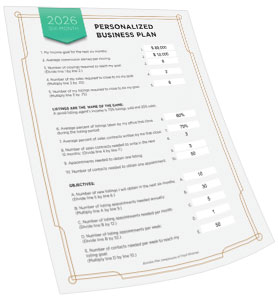
      Map out your next six months with a simple planner built for real estate success.


      Get the Plan →