Thursday, November 12, 2026

    preparing-sellers-for-home-inspections

    An accepted offer can feel like a finish line. For sellers who have prepared their home, accommodated showings and negotiated a price, it is understandable to expect the hardest decisions to be behind them.

    Then the inspection report arrives.

    Preparing sellers for home inspections means explaining this stage before a lengthy report or unexpected repair request turns relief into frustration.

    Set Expectations Before the Report Arrives

    Explain that an inspection may identify maintenance items, aging components and concerns requiring further evaluation. A lengthy report does not, by itself, establish the severity or cost of the findings.

    Avoid promising that an updated or well-maintained home will have no issues. Instead, explain the inspection timeline, relevant contract provisions and how requests will be reviewed.

    The objective is to make the next conversation familiar—not surprising.

    Separate Findings From Assumptions

    When a buyer requests repairs, help the seller understand what is being requested and why.

    Separate routine maintenance from concerns that warrant evaluation by a qualified professional. An inspector’s recommendation for additional assessment is not the same as a confirmed repair estimate.

    Gather appropriate information before debating a solution. Depending on the concern, that may involve a licensed contractor, specialist or other qualified professional.

    Agents can organize the conversation without stepping outside their expertise.

    Compare the Available Options

    Depending on the contract and circumstances, negotiations may involve completing repairs, an allowable credit, a price adjustment or declining a request.

    Help sellers compare the practical consequences: expense, timing, disruption and the effect on their plans.

    A credit is not automatically interchangeable with a repair. The buyer’s lender may impose limits, and some property conditions may need to be addressed before closing. Confirm financing requirements before presenting a proposed solution as workable. crosscountrymortgage.com

    Keep the Seller’s Goal in View

    Repair requests can feel personal, particularly when sellers have invested years in their home.

    Acknowledge that reaction, then bring the conversation back to the decision: What response best supports the seller’s goals within the contract and available options?

    That does not mean agreeing to every request. It means evaluating the request deliberately rather than reacting to the report’s length or tone.

    An accepted offer is an important milestone. Helping sellers navigate what follows is where clear expectations and steady guidance continue to matter.

    Help Homeowners Understand What Comes Next

    Helpful information can build familiarity long before a homeowner is ready to sell.

    The Real Estate Times postcards give you a consistent way to share useful real estate information and keep your name in front of homeowners.

    Launch a Real Estate Times Scheduled Campaign to maintain that connection month after month.

    Homes & Life Magazine

    A customizable magazine with compelling content that keeps you top-of-mind.

    Get the
    Magazine →

    Business Plan

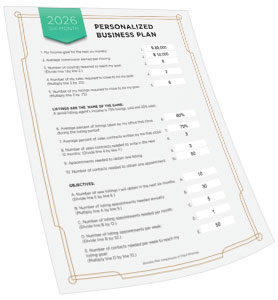
    Interactive Business Plan

    Map out your next six months with a simple planner built for real estate success.


    Get the Plan →


      When a homeowner pauses or withdraws a listing, it is tempting to treat the decision as the end of the opportunity. But a pause is not always a rejection of selling. It may be a response to disappointing activity, holiday timing, changing finances or simple decision fatigue.

      A thoughtful withdrawn listing follow-up begins by identifying what changed.

      Understand What the Seller Is Pausing

      Some sellers are pausing the entire move. Others are only pausing showings, marketing or the current approach.

      Ask questions that clarify the difference:

      • Has the reason for moving changed?
      • Is the seller disappointed with the response or simply tired of the process?
      • Would different timing solve the problem?
      • Does the home need additional preparation?
      • Have local market conditions changed the seller’s expectations?

      The goal is not to talk the seller out of the decision. It is to understand what the decision actually means.

      Build the Relaunch Plan Before You Step Away

      If the seller expects to return in January or spring, establish what should happen between now and then.

      That plan might include reviewing nearby competition, completing repairs, gathering updated market information or agreeing on the conditions that would justify relaunching. Set a date for the next meaningful conversation instead of relying on an undefined promise to “stay in touch.”

      This is also the right time to revisit the price conversation. A different launch date will not automatically solve a positioning problem. The next strategy should reflect current competition, buyer activity and the seller’s priorities.

      Stay Useful Without Creating Pressure

      Canceled and expired sellers may receive a flood of calls from agents they do not know. Existing relationships should feel different.

      Send information that supports the homeowner’s decision. A concise market update, preparation checklist or relevant seller tip can demonstrate attention without turning every interaction into a sales request.

      Keep the Relationship Ready

      A paused seller may eventually relaunch, decide not to sell or change direction entirely. The agent cannot control that outcome.

      What the agent can control is whether the homeowner has a clear plan, reliable information and someone prepared to help when the next decision arrives.

      A productive pause preserves momentum without manufacturing urgency.

      Homes & Life Magazine

      A customizable magazine with compelling content that keeps you top-of-mind.

      Get the
      Magazine →

      Business Plan

      Interactive Business Plan

      Map out your next six months with a simple planner built for real estate success.


      Get the Plan →


        Absentee owner postcards beside a laptop displaying a real estate growth chart.

        An owner who lives somewhere else still needs a local agent when it is time to talk about the home’s value, timing, or a sale. Absentee owner postcards put your name, your market knowledge, and a simple next step in that mailbox. ProspectsPLUS! makes the mailing easy. You choose a professionally designed template, personalize it, pick the audience, and we print and mail the cards. You do not design a card from scratch or research postal rules before the first piece goes out.

        Ready to reach owners who live elsewhere? Browse absentee owner postcards and get started.

        Key Takeaways

        • Start with a finished design. ProspectsPLUS! absentee owner postcards are already written and designed for real estate. You add your details, then order.
        • Build the list in the campaign. Use a radial or pinpoint search, identify absentee owners, include or exclude streets, and preview the list before you mail.
        • Keep the goal on listings. Share local market knowledge, offer a home valuation, and stay visible until the owner is ready for a listing conversation.
        • Pay when a mailing goes out. There is no separate charge just to schedule the series. You can cancel or change a card up to the night before it mails.

        Why Absentee Owners Are a Listing Opportunity

        An absentee owner holds a property but does not live at that address. The owner may live across town, in another state, or farther away. The label describes where the owner lives, not whether that person wants to sell. Some owners rent the home. Some use it part of the year. Some inherited it and are still deciding what to do.

        Living elsewhere is what makes the conversation useful. The owner is not driving the neighborhood every week, so a recent sale. A shift in prices, or a clear explanation of options can be hard to judge from another address. A local agent can close that gap with a market update, a home valuation, or a plain explanation of what selling would involve. That is a listing opportunity, not a property-management assignment.

        The National Association of Realtors reports that 91 percent of home sellers sold with a real estate agent. That is a record high in the 2025 profile, which covers sales from July 2024 through June 2025. For-sale-by-owner sales were 5 percent. Familiarity still matters. An owner who already knows your name has a reason to call you when a sale becomes the plan. NAR’s report on the 2025 seller profile is the source for those shares.

        ProspectsPLUS! describes absentee owners, including out-of-state homeowners, as prime targets for listing opportunities. A postcard campaign puts you in front of owners who may later sell because of tenant turnover or the work of keeping a property. Your job on the card is to become the local expert they already recognize.

        What Absentee Owner Postcards Should Do

        Absentee owner postcards are printed cards mailed to people who own a property but live at a different address. The card introduces you, shares one useful local point, and invites a conversation about the home’s value or the owner’s options. It is a listing tool. It is not a request that the owner hire you to manage tenants or repairs.

        A useful card does one job. It might share that nearby homes have been selling, invite the owner to request a home valuation, or show a recent result that proves you know the area. One clear idea is easier to answer than a card that tries to cover every reason an owner might call.

        ProspectsPLUS! already designs and writes the series for this audience. You choose a finished template and personalize it with your name, photo, phone, email, brokerage logo, and the local line you want that drop to carry. The layout and the message structure are already in place, so you can move straight to the order.

        A message aimed at a listing conversation

        Lead with the owner’s decision, not with chores. An owner who lives elsewhere may wonder what the home is worth, whether similar homes are selling, or what the process looks like if they choose to list. Those are listing conversations. Tips about screening tenants, scheduling repairs, or handling day-to-day upkeep pull the card toward property management, which many agents do not offer.

        A practical example: an agent farming a neighborhood of rental houses sends the first card as a short market note. The headline says nearby homes are selling. The body offers a no-pressure home valuation. The contact line is the agent’s phone and email. The next card in the series can show a recent sale or another reason to talk. Each card stays easy to read because the design and the wording are already done.

        Choose a Done-for-You Design and Order

        Open the absentee owner campaign page, choose a series, personalize the template, and launch the mailing. ProspectsPLUS! prints the cards and mails them to the list you select. You do not confirm postcard dimensions, look up mailing requirements, or plan a layout panel by panel.

        On that public page, the two campaigns you can start from are Absentee Owners Postcards and Get More Listings Postcards. Both are finished designs. Absentee Owners Postcards speak directly to owners who live away from the property. Get More Listings Postcards focus on value, selling options, and the next listing conversation. Pick the tone that fits your farm. Either way, the design and the copy are already done.

        Add your photo, brokerage logo, phone number, and a local line such as the neighborhood or city you serve. Leave the structure of the template in place. If you want a person to walk through the choices, call (866) 405-3638. The online order is the main next step.

        How a series stays useful over time

        A campaign is a sequence, not a single drop. Each card can carry a different listing angle while your name and contact details stay constant. One card can invite a home valuation. Another can point to a recent sale nearby. A later card can remind the owner you are the local agent who already explained their options.

        Scheduled postcard campaigns are pay as you go. You are not charged a separate fee just to put the series on the calendar, and you pay when a mailing goes out. You can cancel or make changes up to the night before the next card is scheduled to mail, with no penalty for stopping or adjusting the series. That night-before cutoff is the processing deadline for the upcoming mailing. It is separate from the freedom to change the campaign itself. If a street stops fitting your farm, adjust the list before the next drop rather than rebuilding the plan.

        Build the Absentee Owner List in a Few Steps

        ProspectsPLUS! builds the prospect list as step one of the absentee owner campaign. You set the area, identify absentee owners, and preview the records before anything mails. You do not need a separate data project before the first card goes out.

        The campaign page spells out the choices:

        1. Use a radial or pinpoint search to set the area around the homes you want.
        2. Identify absentee owners inside that area.
        3. Include or exclude streets so the list matches the farm you actually serve.
        4. Preview the list and exclude records you do not want before you mail.

        If you already have a list of absentee owners in your area, the same page lets you start from that list instead of building a new one. On a list ProspectsPLUS! provides, the selection tools do the record work, and the 92% Postcard Deliverability Guarantee covers excess returned mail. A list you upload is your own file. Check the names and addresses before you mail it. Your other proofreading job is the personalized content: your name, phone, email, photo, and any local line you added.

        MapMyMail is the map-based list option on the targeted mailing lists page. It offers access to more than 128 million deliverable addresses. You can target by neighborhood, exact addresses, and owner type, including homeowners, renters, and absentee owners. Those records start at 8 cents each. Demographic search on the same page adds filters such as property type, property age, length of residency, gender, age, and income. That search also starts at 8 cents per record. A premium select, such as a specialty interest, adds 5 cents per record for the first select and 2 cents for each select after that.

        What the list tools select

        A radial or pinpoint search finds absentee owners in a chosen area, and you can include or exclude streets before you preview the list. That selection is owners who live at a different address. It is not a separate filter for rental owners, vacation-home owners, or owners grouped by how far away they live. Use the absentee owner select for the audience, then shape the area with the map and the street choices.

        Personalizing a card means adding your contact details, brokerage logo, and the local line the template is built to carry. The template already holds the design and the message. It does not fill in each owner’s property facts on its own. If you want a scored list of homes that may list soon, that is a different product, covered next.

        When Listing Lens AI Fits Beside This Mailing

        Listing Lens AI℠ is a separate predictive list, not an absentee owner filter. It scores single-family homes on how likely they are to list within 180 days and gives each home a Sellability Score from 1 to 1,000. A higher score means a higher chance the home will list in that window. It does not mean the owner has decided to sell. Build the absentee owner list when you want owners who live elsewhere. Use Listing Lens AI when you want a scored single-family list instead.

        The two mailings stay distinct. An agent who farms rental streets can order absentee owner postcards for those owners. Then run a separate Listing Lens AI campaign for high-scoring homes in the same suburb. One reaches owners who live away from the property. The other reaches homes the score flags as more likely to list. Neither selection replaces the other.

        What You Pay For

        Template designs are part of the product. Ordering absentee owner postcards does not add a separate design bill. The costs that apply are the ones on the order: the list, printing and mailing, and any premium list selects you choose to add. Price varies with quantity, size, mail class, data selections, and how often the series sends. Use the order screen or the campaign calculator for the figure on your list.

        Order choice What it covers What to know
        Absentee owner campaign A finished postcard series, printed and mailed on your schedule. Pay as you go, when a mailing goes out. Cancel or change a card up to the night before, with no penalty.
        MapMyMail or demographic list Records you select, including absentee owners where the tool offers that choice. Records start at 8 cents each, before any premium selects.
        Premium list selects Extra filters, such as a specialty interest on lifestyle lists. The first premium select adds 5 cents per record. Each added select adds 2 cents.
        Listing Lens AI data Sellability Scores for single-family homes. This is separate from an absentee owner list. Data is $1 per scored property, with a 25-record minimum. Print and mail are priced on their own.

        Keep Every Card Focused on the Listing Conversation

        Each card should help the owner see you as the local expert for value, selling options, and the next conversation. One offer is enough. Ask the owner to call for a home valuation, reply for a market update, or visit one page you control. Put your phone number and email on the card so the next step is obvious.

        Use local proof you can stand behind. A recent sale you handled is stronger than a claim that every owner is ready to list. A short note on the neighborhood works the same way. Do not assume the reader wants to sell this month. Offer the conversation and let the owner decide.

        Here is a simple three-drop example that stays on listings:

        • Card one: “Homes near your property are selling. Call me for a current home valuation.”
        • Card two: A recent result in the area, with your name and phone in the same place as card one.
        • Card three: A short note on selling options, such as timing and what a listing conversation includes, plus the same contact path.

        That sequence uses the template. You add the local detail and keep the design ProspectsPLUS! already built. If a template line already says the right thing, keep it.

        Track what you can actually see. Count calls, form replies, and listing appointments that mention the card. Keep the review practical: which series got replies, which streets were worth a second drop, and whether the message still matches your market.

        Related Reading from ProspectsPLUS!

        Order Absentee Owner Postcards Today

        ProspectsPLUS! makes this mailing easy. The templates are already designed and written, the list tools identify absentee owners in the area you choose, and printing and mailing are part of the order. You personalize the card, preview the list, and launch the series. You pay when a mailing goes out, and you can cancel or change a card up to the night before. When an owner is ready to talk about value or a sale, your name is already in the mail.

        Get started with absentee owner postcards. Prefer to talk it through? Call (866) 405-3638 and we will help you choose a series.

        Frequently Asked Questions

        What are absentee owner postcards?

        Absentee owner postcards are professionally designed cards mailed to people who own property but live at a different address. That address may be across town or in another state. Agents use the cards to share local market knowledge and invite a listing conversation. ProspectsPLUS! supplies the templates, the list tools, and printing and mailing.

        Do I need to design the postcard myself?

        No. On the absentee owner campaign page, choose Absentee Owners Postcards or Get More Listings Postcards. Add your name, photo, phone, brokerage logo, and a local detail. The design and the wording are already done, so you do not rebuild the card.

        How do I get a list of absentee owners?

        On the absentee owner campaign, use a radial or pinpoint search, identify absentee owners, include or exclude streets, and preview the list. You can also start from a list you already have. MapMyMail is another way to select absentee owners by area. On a ProspectsPLUS! list, the list service handles address preparation. On a list you upload, check the names and addresses yourself before you mail.

        Can I pause or stop a scheduled campaign?

        Scheduled postcard campaigns are pay as you go, with no separate charge just to schedule them. You pay when a mailing goes out. You can cancel or change the next card, including the list, up to the night before it is scheduled to mail, with no penalty. That night-before cutoff is the processing deadline for the upcoming mailing.

        What does an absentee owner campaign cost?

        You pay when a mailing goes out, not a separate design fee. List records on MapMyMail and demographic search start at 8 cents each before premium selects. The first premium select adds 5 cents per record, and each added select adds 2 cents. The order screen shows the total for the options you pick.

          Real estate agent reviewing a ready postcard campaign before mailing it to a neighborhood

          A real estate direct mail campaign is a ready postcard series you choose and personalize, then send to the people you want to reach. ProspectsPLUS! prints each card and mails it for you. You do not design a piece from scratch, study postal rules, or build a production plan before the first order.

          Pick the campaign that matches the job you already have in mind, then add your name, photo, and phone number. Choose a list on the order, or upload one you already have, and let the schedule carry the next cards. That is the whole start.

          Launch a campaign when you know who should get the mail.

          Start a real estate direct mail campaign with a ready series

          The campaign page is organized by who you want to reach, so you can start from the audience instead of a blank design. Sphere of influence, just sold, holiday, geographic farming, absentee owners, high-income renters, expired listings, for-sale-by-owner, investors, and recruiting each have their own series. You choose the one that fits rather than inventing the message first.

          Each series already has professionally written copy and a finished design. Keeping that copy is the easy default, and most agents should leave it in place. Change a headline, an offer, or a call to action only when you want a different message. A just-sold card can show the home you sold. A sphere card can use a recipe, a market note, or a light check-in. The template still does the heavy work.

          One campaign should do one job, because a single card works better with a single reason to mail. A just-sold series tells the neighbors who sold the house, a sphere series keeps past clients easy to remember, and a farm series stays with the same streets. Mixing those jobs on one card makes the message fuzzy, so two jobs deserve two campaigns.

          Here is a simple example. You closed a listing on Maple Street. Open the one-year just-sold campaign, keep the written copy, add the property photo and your phone, and mail the surrounding owners. You are done planning. The series keeps you in front of those owners for the year.

          Choose who gets the mail

          The audience is a choice on the order, not a research project you finish before you are allowed to mail. Use a list you already trust, build a mapped list, or start from a scored list, and then stop adding names. A bigger pile of names is not a better campaign.

          People you already know

          Past clients and your sphere already know your name, so this campaign is about staying easy to remember. A scheduled series of useful cards keeps that memory warm without asking for a listing every month. The job is referrals and repeat business, which means you upload the names you have and let the series run.

          That repetition still matters, because most people hire an agent. The National Association of REALTORS® reported in its 2025 profile that 88% of buyers and 91% of sellers used one.

          A neighborhood you want to own

          A geographic farm is a set of streets you can picture. On a geographic farm campaign, you can search by radius or pinpoint, keep owner-occupants or absentee owners, include or exclude streets, and preview the list before you mail. The same streets get the same kind of card on a steady rhythm. That repetition is what makes your name familiar when someone decides to move.

          Owners flagged as more likely to list

          Listing Lens AI℠ gives every single-family home a predicted Sellability Score from 1 to 1,000. A higher score means the home is more likely to list within 180 days. It is a targeting aid, not proof that an owner is ready to sell, and it does not promise you the listing.

          Use it when you want a shorter list with a reason behind it. Scored records are $1 each, with a 25-record minimum, so the first 25 records are $25. Printing and mailing are priced separately. Purchased lists do not refresh themselves. Because you cannot know the week an owner will call, the useful pattern is a short series across that window, not one postcard.

          A mapped list and a scored list are different tools. Mapped records fit farming, just-listed, and just-sold mail. A scored list costs more per name because you are paying for the score. Current mapped-list prices are on the targeted mailing lists page, separate from a file you upload yourself.

          Who you want to reach. A simple way to start. What ProspectsPLUS! handles.
          Past clients and your sphere. Upload names you already have and pick a sphere series. Printing and mailing on the schedule you set.
          Streets around a listing or a farm. Map the homes, preview the list, and drop streets that do not fit. Addressed mail to the names you kept.
          Owners more likely to list soon. Order a short Listing Lens AI℠ list and mail it through the window. The scored file, then print and mail if you add them.
          A whole carrier route. Choose route coverage when you want every delivery point on that route. Route mailing instead of a named-address list.

          Personalize the card, then leave the design alone

          Personalizing means adding you to a finished card, not rebuilding the layout. Put your photo, your phone, and one local proof point on it, such as a nearby sale, the streets you are mailing, or a simple market note. You do not lay out panels, pick a paper stock from a spec sheet, or send the file somewhere else to be checked.

          Match the piece to the job, using designs that already exist. Just-listed and just-sold postcards fit a listing milestone. A farm series fits the same streets month after month. A sphere or holiday series fits people who already know you. A standard card carries a short note. A larger card carries a photo and one clear next step. Pick the template that already does that job.

          Give the reader one action, and make that action easy to spot. Ask for a home-value conversation, point to the sale on their street, or invite a call. Because a card with three asks gives people a reason to do none of them. Put your phone in the same place on every card in the series so a familiar reader does not have to hunt for it.

          The first card introduces you, and later cards can ask for more once the name is familiar. Someone who has not decided to move does not need a hard listing pitch on card one. A clear photo of a nearby sale, or a short market note, fits that first touch better.

          Let the schedule do the follow-up

          One card is only a sample of what the campaign can do. A campaign is the next cards going out without you rebuilding the order each time. Scheduling is what cuts the ongoing work. You choose the rhythm once, and each mailing goes out on its own.

          ProspectsPLUS! scheduled postcard campaigns use one set of terms: pay as you go, with no upfront charges. Cancel, change, or pause at any time without penalty. The processing cutoff is separate. On geographic farm and just-sold campaigns, changes to the next card have to be in before the night before it is scheduled to mail. You are not buying a year of postage on day one.

          Use the rhythm that matches the campaign you picked:

          1. Sphere and past clients: monthly, or on a holiday calendar, so you stay easy to remember.
          2. Geographic farm: a steady card to the same streets. Swapping the farm every month throws away the repetition.
          3. Just sold: the one-year follow-up to the homes around that sale, so the neighbors keep seeing who got it done.
          4. Listing Lens AI℠: about every two weeks across the 180-day window, so your name is in the house while the owner is deciding.

          You do not need a second plan for card two, because the series already knows when the next card mails. Approve it, then leave it alone unless you want to change a later send. A shorter list you keep mailing beats a huge list you abandon in February. And a busy month is a reason to pause the next send rather than start over.

          What you pay, and what you can ignore

          Price follows the choices on the order. Quantity, size, mail class, data selections, and postage all move the number. Mailed postcard orders include addressing and postage. A list you buy, or a scored file, is a separate line. Read the price for the size and quantity you actually want. A sample price is not your monthly bill.

          On a scheduled campaign, the charge is the next mailing. There is no upfront charge for the mailings after it. A monthly farm is one print bill each time a card mails. A biweekly scored series is the same idea across a shorter window. If the first send feels high, drop names or step down a size. You do not have to rewrite the campaign to make it affordable.

          You can also ignore a pile of work that used to sit in front of a mailing. You do not confirm dimensions, study mail classes, or plan a production calendar. The template is already built for real estate. ProspectsPLUS! prints it and mails it. Your job is the audience and the personal details.

          Three campaigns, started the simple way

          The same four steps work for very different jobs. Choose the series, personalize it, pick the audience, and leave printing and mailing to ProspectsPLUS!. The examples below are the kind of order an agent can place the week a listing changes, not a project that needs a deck.

          The street around a sale

          You sold 18 Maple. The neighbors are the audience. Open the just-sold campaign, keep the professionally written copy, add the photo and your phone, and map the surrounding owner-occupants. Preview the list and drop a street that is not really part of the neighborhood. The one-year series does the rest. You can still cancel or change a later card before its cutoff.

          The farm you want to be known in

          You want the 400 homes north of downtown to know your name before they list. Build that list by map, keep the streets that fit, and choose a geographic farm series with copy you are happy to send every month. Personalize the phone and the photo. Then let the monthly card go out. The point is recognition, not a new slogan each time.

          A short list with a score behind it

          You would rather mail 40 homes than 400, and you want a reason for the shorter list. Order Listing Lens AI℠ scores for single-family homes in that pocket. Keep the highest scores, expect about $1 per scored record, and attach a Listing Lens campaign that mails about every two weeks.

          Tell the truth in your own head while you do it. A high score is a better chance of a listing inside 180 days, not a seller raising their hand. The series simply keeps your name there while they decide.

          How to tell the campaign is working

          Look at a few simple things after the mail is out. Did the cards go to the list you approved? Did anyone call, ask about a home value, or book a conversation you can tie back to that card? When someone contacts you, ask how they heard about you, and write the answer down.

          Give a new series a few drops before you judge it, because one quiet week is not a verdict. The first card introduces you, and the cards after it are what people remember. If you change something, change one thing: fix the list when the wrong homes got the card. And change the offer only after the right homes have seen you more than once.

          You will not see every conversation the mail influenced, and that is normal for a mailbox. A short note of the drop, the quantity, and the calls you did get is enough to decide whether to keep the series. Pause it, or point it at a different street. You do not need a formal report before you are allowed to continue.

          Put the next campaign in motion

          You already know which job you want the mail to do. Stay in front of past clients, farm one neighborhood, follow a sale down the street, or mail a short scored list. Pick that campaign, personalize the finished design, and choose the audience. ProspectsPLUS! prints and mails it, and the next sends stay pay as you go.

          Get started on the series that fits. If you would rather talk through a list, call (866) 405-3638.

          Frequently asked questions

          How do I start a real estate direct mail campaign?

          Choose a ready campaign, personalize it with your photo and phone, and select or upload the audience. ProspectsPLUS! prints and mails each card. Pay as you go, with no upfront charges. Cancel, change, or pause at any time without penalty. A change to the next card still has to be in before its processing cutoff.

          Do I need to write the postcard myself?

          No. The template already includes professionally written copy. Keeping it is the easy default. Change a headline, an offer, or a call to action only when you want a different message. You do not design the card from a blank page.

          What list should I use?

          Use names you already have for past clients. Map the streets for a farm, a just-listed, or a just-sold. Use Listing Lens AI℠ when you want fewer homes and a predicted Sellability Score behind the pick. Upload your own list any time you already trust the names.

          Do I pay for the whole series today?

          No. Pay as you go, with no upfront charges. Cancel, change, or pause at any time without penalty. The processing cutoff is separate: a change to the next card has to be in before that cutoff, which on geographic farm and just-sold campaigns is the night before it mails.

          Does the campaign guarantee listings?

          No. A campaign puts a clear card in front of the right people more than once. It does not promise a listing, a lead, or a sale. Listing Lens AI℠ scores are a prediction, not confirmed seller intent.


            Real estate agent preparing postcards for a neighborhood mailing

            Real estate seller leads come from homeowners who know your name before they decide to list. Pick the group most likely to need an agent. Send a useful postcard from a finished template, then answer the people who reply. ProspectsPLUS! handles the printing and the mailing that comes with the order. You can spend the time on listing conversations.

            Call (866) 405-3638 to get started with a mailing campaign

            Find real estate seller leads before they call

            Not every homeowner is ready to list now. Real estate seller leads get easier when you start with a clear audience instead of mailing every door without a plan. Use Listing Lens AI℠ to prioritize eligible prospects, or choose a campaign built for a specific situation, such as a nearby sale, an expired listing, or a home for sale without an agent.

            Listing Lens AI℠ can help you prioritize outreach with a predicted Sellability Score. Use the score to decide which eligible prospects to contact first, then match the message to the neighborhood and the conversation you want to start.

            Treat the score as a ranking signal, not a fact about a family’s plans. A higher predicted score is not confirmed intent to sell, and it is not a reason to tell a homeowner they are about to move. For example, an agent farming two neighborhoods could use the score to prioritize a focused postcard sequence while keeping a broader neighborhood campaign for visibility. The product is a way to organize outreach, not a promise of listings.

            Match each seller opportunity to a campaign

            Different homeowners need different messages. A neighbor who just watched a house sell is in a different moment from an owner whose listing expired. An owner who lives out of state is in a different moment again. Pick one opportunity, then open the campaign built for it. You do not have to build a data project to get started.

            Seller opportunity. Who you reach. ProspectsPLUS! path. A useful first message.
            Predicted sellers. Prospects prioritized with a higher predicted Sellability Score. Listing Lens AI℠. A short market note and an invitation to ask about timing.
            Geographic farm. Homeowners in a neighborhood or group of streets you serve. Geographic farm campaigns. A neighborhood update that keeps your name familiar.
            Just listed. Owners near a newly listed property. Just listed postcards. The new listing, plus an offer to talk about local market timing.
            Just sold. Owners near a completed sale. Just sold campaigns. The completed sale, plus an invitation to discuss what it may mean locally.
            Absentee owners. Owners who live away from the property. Absentee owner campaigns. A local update and an offer to talk through options.
            Expired listings. Sellers whose listing already came off the market. Expired listing templates. A fresh plan for getting the home sold.
            For sale by owner. Owners marketing the home without an agent. FSBO postcards. A checklist or a second opinion, not a lecture.

            Build recognition in the neighborhoods you serve

            Geographic farming helps you become the agent neighbors already know. Choose a neighborhood, a group of streets, or a small set of towns you can actually serve. Then mail those owners on a schedule so your name is familiar before anyone decides to move. The geographic farm campaigns page walks through the two steps: build the list, then launch the campaign.

            Build the list with a radial or pinpoint search. You can keep owner-occupants, pull absentee owners, include or exclude streets, and preview the records before anything mails. If you already have the addresses, you can upload them and skip the search. Review the available list details while you place the order so you can choose the audience that fits your campaign.

            A practical farm looks like this. An agent picks 400 owner-occupied homes around a listing presentation she wants to win next year. She chooses a neighborhood series, adds her photo and phone number, and sets the campaign to mail on a regular schedule. She only pays when a card goes out, and she can change or cancel the next card up to the night before it mails.

            Turn a real sale into the next conversation

            A just listed or just sold card works because it reports something specific. Neighbors want to know what a new listing or completed sale might mean for them. The just listed and just sold postcards give you professionally designed templates for those announcements. The just sold campaign can then keep the follow-up going over time, so you remain visible after the sign comes down.

            Use the real event. Name the area, share a fact you can stand behind, and invite the owner to ask what it could mean for their home. Do not turn one closing into an unsupported valuation of the property next door. A scheduled series gives you a practical way to stay in touch without inventing a new card for every mailing.

            Reach owners who are not living in the home

            Absentee owners often want a local update more than a sales pitch. They may not see yard signs, open houses, or neighborhood chatter. Absentee owner campaigns let you build that list with a radial or pinpoint search. Keep the out-of-area owners, include or exclude streets, and preview the records before you mail.

            A useful first card offers a short property update or a conversation about value and timing. For example: “You own a home on Maple, and I work that neighborhood. I can send a one-page look at recent sales if you want it.” That gives a distant owner a local contact. It does not assume they have decided to sell.

            Talk to expired listings and for-sale-by-owner sellers

            Some sellers have already raised a hand. An expired listing is a home that was on the market and did not sell. A for-sale-by-owner is a home the owner is trying to sell without an agent. Both groups deserve a specific message, not a generic farm card.

            For expired listings, start with the expired listing templates. The designs are already aimed at sellers who need a new plan. Personalize one with your name and a concrete offer, such as a fresh pricing conversation or a review of how the home was shown. Keep the tone helpful. The owner just had a disappointing result.

            For owners selling on their own, use the FSBO postcard collection. ProspectsPLUS! does not provide an FSBO mailing list for these campaigns, so you must upload your own FSBO prospects. The series number refers to the number of designs in the set; changing the included copy is optional. Adapt the timing and message to the property’s status, and offer a seller-prep checklist, a second set of eyes on showings, or a no-pressure talk about what happens if the home does not sell. Do not argue with the owner’s decision to try it alone.

            Choose a template and personalize it

            You do not design seller mail from scratch. ProspectsPLUS! templates are already laid out for real estate niches, including farms, just sold announcements, expired listings, and for-sale-by-owner outreach. You choose the series that matches the conversation, then personalize it with your photo, your name, your phone number, and one clear offer.

            Pick the message before you pick the artwork. The professionally written copy is the easy default, and you can keep it as provided. If you want to personalize it, a farm card might offer a short note when something sells nearby. A just sold card reports the sale and invites a question. An expired card offers a new plan. An FSBO card offers a checklist. Changing a headline, offer, or call to action is optional.

            Uploading your own finished artwork is an optional path on orders that allow it. It is not the normal way to start. Most agents should open the collection, preview the designs, add their contact details, and move on to the audience. The template already handles type, layout, and the look of the card.

            Keep the wording accurate. Say what you will actually do when someone calls. If the card offers a neighborhood sales report, have that report ready. If it offers a valuation conversation, show up ready to look at the home and the recent sales. Listing or sale prices can be appropriate when they are accurate and supported; avoid presenting an unsupported valuation of the recipient’s property. For more on the kinds of mail that earn listing appointments, see this guide to getting more listings.

            Let a scheduled campaign carry the consistency

            Seller trust builds over repeated touches. Doing that by hand means remembering dates, reprinting cards, and checking a list every month. When you enroll in a scheduled ProspectsPLUS! campaign, you choose the series, audience, and schedule once, and the campaign helps maintain visibility with less ongoing work.

            Scheduled postcard campaigns are pay as you go, with no upfront charges for future mailings. You can cancel, change, or pause future sends without a penalty, subject to the account cutoff for changing the next send. That gives you control if a property sells, your offer changes, or the neighborhood needs a different message.

            Match the rhythm to the opportunity. A just sold follow-up can keep neighbors seeing you after the sign comes down. A geographic farm can provide a steady neighborhood presence. An FSBO sequence can be adjusted to the property’s status rather than forced into one rigid schedule. The point is consistent, useful visibility, not sending the same message forever.

            An agent can run two scheduled campaigns without living in a spreadsheet. She enrolls 150 prioritized prospects in one campaign and keeps a separate farm campaign for the wider neighborhood. If she wants a different headline before the next send, she changes the eligible mailing by the account cutoff; the rest of the schedule stays in place.

            Turn a reply into a listing conversation

            Mailing creates two jobs, and they are not the same job. One is answering the person who reached out. The other is staying visible to homeowners who have not responded yet. Mix them up and you either over-contact quiet owners or leave a hot reply waiting.

            When someone responds, answer the request they actually made. Three common replies, and what to do with each:

            1. They ask what their home is worth. Book a time to walk the property or review it together. Bring recent nearby sales you can explain. Give the range in the conversation, after you have seen the home, not as a number printed on the postcard.
            2. They want the neighborhood sales report. Send the one-page report you offered, then ask if they want to talk through what those sales mean for their street. The report is the reason to call. The listing conversation comes after they have read it.
            3. They are curious, not ready. Thank them, answer the question, and ask if you can keep them on the postcard sequence. Then leave the timing with them.

            Homeowners who do not reply still get the sequence. That is the visibility job. The next card should add something new: another local sale, a seasonal market note, or a reminder of the same offer. Stop mailing someone who asks you to stop. Take a home off an expired or FSBO list when it sells, lists with an agent, or leaves the market.

            Write down four things after each drop. Note the inquiries, the appointments you booked, the listing agreements that followed, and the cost of that order. As a hypothetical example, an agent who mails 80 prioritized homes might log three report requests and one valuation appointment. Those numbers are illustrative, not promised results; use your own response and cost data over time when deciding whether to repeat or change the offer. For a wider look at how mail fits the rest of your prospecting, read about organizing real estate lead generation.

            Place the order and review the total

            Ordering is a short set of choices. Pick the product, pick the audience, pick the quantity, and choose the mailing option that fits. A mailed order includes the printing, addressing, and postage that come with that product, and the cards go to the homeowners. A shipped order comes to you when you want cards in hand for a listing presentation or an open house.

            Quantity, size, and any list data you add all change the total. You see those choices, and the final amount, while you place the order. You do not need to study postal rules before you start. If a line item is unclear, check it on the order screen. You can also call (866) 405-3638 and have support walk through it with you.

            A clean first seller-lead order looks like this. An agent opens Listing Lens AI℠ and prioritizes 50 homes in her farm. She chooses a Listing Lens postcard series, adds her photo and a neighborhood-report offer, and checks out a mailed order. If she wants recurring visibility, she explicitly enrolls those homes in a scheduled campaign; that enrolled campaign sends the next card according to its schedule. An individual mailed order does not automatically create recurring mailings.

            Keep claims on the card true, and follow your brokerage’s advertising rules. Say you can help. Do not say a homeowner has decided to sell, and do not promise a price, a buyer, or a sale date. The postcard’s job is to earn the conversation.

            Launch a campaign

            Start the seller conversation this week

            Pick one group of homeowners, choose the template made for that conversation, and launch the mailing. Listing Lens AI℠ can point you at higher-scoring homes. A farm, a just sold series, an absentee list, an expired template, or an FSBO series covers the other real opportunities. Then answer the people who reply, and let the schedule keep you visible to everyone else.

            Open the postcard campaigns and get started online. If you want a person to help you choose the first series, call (866) 405-3638.

            Frequently asked questions

            How do agents find real estate seller leads with direct mail?

            Start with homeowners who have a reason to hear from you. Use Listing Lens AI℠ to rank single-family homes by predicted listing likelihood. Or choose a campaign for a farm, a just sold area, absentee owners, expired listings, or owners selling on their own. Then send a useful postcard and follow up on the replies.

            What is a Sellability Score?

            Listing Lens AI℠ provides a predicted Sellability Score that can help you prioritize outreach. A higher predicted score is not a confirmed plan to sell. Use it to decide who to mail first, then choose a message that fits the actual opportunity.

            Which ProspectsPLUS! campaign should I use first?

            Use the campaign that matches the opportunity. Geographic farm campaigns build familiarity on the streets you serve. Just sold campaigns follow a real sale for a year. Absentee, expired, and FSBO campaigns speak to those specific owners. Listing Lens campaigns focus on higher-scoring homes.

            Do I have to design the postcard myself?

            No. Choose a professionally designed template for that niche and personalize it with your photo, name, phone number, and one offer. Uploading your own artwork is optional on orders that allow it, not the standard starting point.

            How should I follow up after a seller postcard?

            Answer inquiries directly. Book a valuation conversation, send the neighborhood sales report you offered, or keep a curious owner on the sequence. Keep mailing homeowners who have not replied to maintain visibility, and track inquiries, appointments, and listing agreements so the next card is based on what people asked.

            Does ProspectsPLUS! provide an FSBO mailing list?

            No. Agents upload their own FSBO prospects. The FSBO postcard collection provides the designs; choosing an FSBO postcard or campaign does not supply the addresses.

              Paid Leads Aren’t a Listing Strategy: What to Build Instead

              When business slows, purchasing leads can feel like the fastest way to refill the pipeline.

              New names arrive. The dashboard shows activity. Agents gain people to call.

              But access to more names is not the same as having a dependable listing strategy.

              Paid inquiries may be early in their decision, shared with other agents or difficult to reach. That does not make every paid-lead source ineffective. It means agents should not expect one source to perform the entire job of creating recognition, earning trust and maintaining the relationship.

              Measure More Than the Number of Leads

              Before purchasing more leads, review what happened to the existing ones.

              How many received a prompt response? How many entered an organized follow-up process? Which conversations progressed? Where did engagement stop?

              Without that information, buying another group of leads may simply place more names into the same incomplete process.

              Build Around Relationships You Control

              A stronger listing pipeline includes people the agent can continue reaching without repeatedly paying for renewed access.

              That may include a sphere of influence, past clients, geographic farm, open-house contacts, local relationships and previously interested homeowners.

              These audiences still require work. The advantage is continuity: agents can learn what matters to them, provide relevant information and remain connected as circumstances change.

              Give People a Reason to Remember You

              Communication should offer more than repeated requests for an appointment.

              Useful homeowner information, local observations, preparation guidance and answers to common seller questions help an agent become a recognizable resource.

              Direct mail, email, personal calls and community contact can reinforce one another. The goal is not to contact everyone constantly. It is to create a manageable rhythm of relevant communication.

              Create a Follow-Up System Before Adding Volume

              Every new contact should have a reasonable next step.

              Some people need an immediate conversation. Others need a market update, a future check-in or time to resolve another issue. Record those distinctions and continue with consistent follow-up.

              Paid leads can remain one part of an agent’s business. They become less risky when they supplement—not replace—relationships, useful communication and a system the agent controls.

              Find Homeowners Likely to List and Stay in Front of Them

              Listing Lens Ai scores properties based on their likelihood of listing within the next 180 days—helping you focus your marketing where the opportunity may be stronger.

              In controlled testing, Listing Lens targeting generated 71% more listing activity than traditional demographic targeting. Launch a scheduled postcard campaign and stay visible with higher-scoring homeowners month after month.

              See scored homes in your neighborhood.

                Selling a Home During the Holidays: Stay or Pause?

                As the holidays approach, sellers often begin questioning whether they should leave their homes on the market.

                They may be tired of preparing for showings, disappointed by slower activity or concerned that buyers will disappear during November and December. Others wonder whether withdrawing now and returning in the new year will give the property a fresh start.

                There is no universal answer. The right holiday listing strategy begins with the seller’s priorities.

                Start With the Seller’s Actual Timeline

                First, determine whether the seller still has a reason to move soon.

                A relocation, carrying costs, an already-purchased home or another personal deadline may make continued exposure valuable. A seller without an immediate timeline may be more comfortable pausing—but should understand what that decision involves.

                The conversation should also address the practical side of remaining available. How disruptive are showings? Are there specific dates when the property should be unavailable? Could showing instructions provide reasonable flexibility without removing the listing entirely?

                Evaluate Local Competition and Feedback

                Seasonality affects markets differently. Agents should examine current inventory, recent comparable sales, market time and buyer activity in the property’s specific price range.

                Lower seasonal activity does not necessarily mean no opportunity. If competing sellers withdraw, a well-positioned home may face less competition from other listings.

                Agents should also separate a seasonal slowdown from a property-specific problem. Repeated feedback about price, condition or presentation will not automatically disappear in January.

                Explain What a Pause Can and Cannot Accomplish

                Before sellers withdraw, review the relevant brokerage agreement and local MLS rules. Requirements concerning withdrawn, canceled, expired and relisted properties vary.

                A pause may offer relief from showings and time to complete improvements. It does not guarantee that buyers will view the property differently when it returns.

                If the seller decides to pause, create a specific relaunch plan. Establish what will change, which preparations will be completed and when marketing will resume.

                Make It a Strategy Decision

                The goal is not to convince every seller to remain active. It is to help each seller compare the consequences of staying listed, temporarily pausing or preparing for a later relaunch.

                Some homeowners will choose to sell now or wait. Either decision can be reasonable when it reflects their priorities and local market conditions.

                Whatever they decide, stay present with useful guidance. A thoughtful conversation now can preserve trust through the holidays and into the seller’s eventual next step.

                Stay Present With a Simple Thanksgiving Touch

                Not every message needs to ask homeowners if they are ready to move.

                Thanksgiving Postcards give you a timely, personal way to thank past clients, reconnect with your sphere and keep your name visible as people begin considering their plans for the coming year.

                Explore Thanksgiving postcards.

                  AI Can’t Recommend What It Can’t Verify

                  People once asked friends, searched Google or scrolled through agent profiles when deciding whom to contact.

                  Now some are also asking AI.

                  That creates a new visibility question: What can an AI system verify about your local market expertise?

                  AI search visibility for real estate agents is unlikely to depend on one clever post or a website repeatedly claiming someone is the “local expert.” Recommendation systems look across available information for consistent signals that support that claim.

                  Be Specific About the Market You Serve

                  Generic content about buying and selling may demonstrate basic knowledge, but it does not establish a meaningful connection to a particular community.

                  Useful local information is more distinctive:

                  • Changes in neighborhood inventory
                  • Questions local sellers are asking
                  • Differences among nearby price ranges
                  • Recent market activity with appropriate context
                  • Community features and housing characteristics
                  • Firsthand explanations of what local changes mean

                  Specificity gives consumers something useful and gives search tools clearer information about where your expertise applies.

                  Build Consistency Across Your Local Footprint

                  Your website, professional profiles, reviews and published content should describe your service area consistently.

                  That does not mean repeating the same paragraph everywhere. It means avoiding conflicting or vague information about your location, specialties and experience.

                  An agent who regularly publishes neighborhood updates, explains local conditions and earns detailed client reviews creates a more verifiable professional footprint than someone relying on broad promotional claims.

                  Use AI Without Erasing Your Experience

                  AI can help organize ideas, outline content or repurpose a market update. It should not remove the firsthand observations that make the material credible.

                  Include what you are noticing, what homeowners are asking and why a local trend matters. Those details separate genuine local market expertise from generic information that could apply anywhere.

                  Agents do not need to chase every new search trend. They need to make their real knowledge easier to find, understand and verify.

                  The objective remains the same: when someone searches for guidance in your community, your name should be connected to useful evidence that you genuinely know the market.

                  General claims do not prove that you understand a neighborhood. Relevant local information does.

                  Local Real Estate Stats postcards help you share meaningful market information with homeowners while connecting that knowledge directly to your name. They provide another consistent, tangible signal that you understand the market you serve.

                  Explore Local Real Estate Stats Series

                  Homes & Life Magazine

                  A customizable magazine with compelling content that keeps you top-of-mind.


                  Magazine →

                  Business Plan

                  Interactive Business Plan

                  Map out your next six months with a simple planner built for real estate success.


                  Get the Plan →


                    Agent and homeowner reviewing a property inspection report and repair priorities before listing a home.

                    A seller may believe that accepting an offer means the difficult decisions are finished.

                    In many transactions, it begins a second negotiation.

                    The buyer completes inspections, reviews the findings and may request repairs, credits or other concessions. When sellers first encounter those possibilities under a response deadline, even a reasonable request can feel like an unexpected attempt to renegotiate the entire agreement.

                    A better seller inspection negotiation begins before the listing goes live.

                    Explain What May Happen After Acceptance

                    Agents do not need to predict exactly what an inspector will find. They can explain the process and the types of decisions sellers may face.

                    That conversation should distinguish among:

                    • Health or safety concerns
                    • Major systems or structural issues
                    • Deferred maintenance
                    • Cosmetic preferences
                    • Items already reflected in the home’s price and condition

                    This gives sellers a framework for evaluating requests instead of reacting to a long report as though every observation carries equal importance.

                    Discuss Priorities Before Emotions Rise

                    Ask sellers how they would approach a legitimate repair concern, a credit request or a buyer asking for help with closing costs.

                    Their answers may depend on local market conditions, the strength of the offer, competing interest, their timeline and the cost of returning the home to the market.

                    The goal is not to persuade sellers to accept every request. It is to help them understand that the best response may involve more than saying yes or no.

                    A credit could be simpler than completing a rushed repair. Addressing one significant concern might protect an otherwise strong agreement. Rejecting a broad request may be appropriate when the buyer is treating routine maintenance like a major defect.

                    Prepare the Property and the Decision-Maker

                    A pre-listing walk-through can identify visible maintenance concerns and help sellers decide what to address in advance.

                    Just as important, it prepares the seller mentally. They enter the transaction understanding that an accepted offer is a milestone, not necessarily the end of negotiation.

                    Agents who set this expectation early can keep inspection requests in perspective. Sellers are then better equipped to evaluate the entire agreement, protect their priorities and make a decision based on the transaction rather than the surprise.

                    Avoidable Seller Pitfalls postcards help you share practical guidance before common mistakes create unnecessary stress.

                    Send one postcard or schedule the campaign to mail automatically, helping you educate homeowners consistently while keeping your name connected to useful seller guidance.

                    EXPLORE THE AVOIDABLE SELLER PITFALLS SERIES

                    Homes & Life Magazine

                    A customizable magazine with compelling content that keeps you top-of-mind.


                    Magazine →

                    Business Plan

                    Interactive Business Plan

                    Map out your next six months with a simple planner built for real estate success.


                    Get the Plan →


                      What Sellers Should Know Before Choosing a Private Listing

                      Sellers have more choices than ever about how and when their homes enter the market.

                      Some may consider an office-exclusive, private or delayed-marketing strategy. Privacy concerns, property preparation, personal circumstances or a desire to test positioning may make limited exposure feel appealing.

                      But limited exposure is not simply a marketing preference. It creates a tradeoff that sellers should understand before making the decision.

                      Broad market exposure gives more buyers and their agents an opportunity to discover the property. It can generate showing activity, reveal how the market responds to the price and potentially create competition.

                      A private or delayed approach may reduce that immediate reach

                      Depending on the option selected and applicable MLS rules, the property might not appear through the same consumer websites, syndication channels or searches available with broader distribution.

                      That does not automatically make limited exposure wrong. It means the strategy should have a clearly defined purpose.

                      Before recommending an approach, ask the seller:

                      • What are you hoping privacy or delayed marketing will accomplish?
                      • Are there security, personal or preparation concerns?
                      • How long will the limited-exposure period last?
                      • What response would cause us to expand the marketing?
                      • How will we evaluate performance with less market feedback?
                      • Which exposure benefits are you comfortable delaying or waiving?

                      The agent’s role is not to push every seller toward the same answer. It is to make sure the seller understands what each option could provide—and what it could restrict.

                      Informed Choice Builds Seller Trust

                      This conversation should also include local market conditions and the seller’s pricing expectations. A strategy that works for a highly distinctive property may not serve a home competing against numerous similar listings.

                      Most importantly, put the plan in writing. Confirm the seller’s objectives, explain the marketing channels included or excluded and establish when the strategy will be reviewed. Follow all brokerage, local MLS and disclosure requirements.

                      Choice is valuable when it is informed.

                      When agents clearly explain the exposure tradeoff, sellers can select a strategy based on their priorities rather than choosing “private” simply because it sounds exclusive. That clarity protects trust and helps ensure the marketing plan truly serves the seller.

                      Your market may be changing, but homeowners still need someone who can explain what those changes mean for their plans.

                      Shifting Market postcards help you begin practical conversations about evolving expectations in a lighthearted way while keeping your name connected to clear local guidance.

                      Explore Shift Market postcards & Scheduled Campaigns.

                        Real estate agent planning helpful follow-up communication for homeowners who have paused their selling plans.

                        A homeowner stops responding. The appointment never gets scheduled. A promising conversation ends with, “We’re going to wait and see.”

                        For agents, this silence can be frustrating. But it does not necessarily mean the opportunity has disappeared.

                        Higher mortgage rates, uncertainty about the next home and concerns about selling costs can cause homeowners to pause even when moving remains part of their longer-term plan. The agent’s challenge is to stay useful without making every follow-up feel like another request for a decision.

                        Silence Is Information, Not Rejection

                        When sellers go quiet, resist the urge to immediately increase the pressure.

                        Instead, consider what may have changed. Has affordability affected their next purchase? Are they worried about preparing the property? Are conflicting housing headlines making the decision feel less clear?

                        A message that acknowledges those concerns will feel more relevant than another “Are you ready to list?” email.

                        Replace Check-Ins With Useful Reasons to Connect

                        A productive follow-up offers something the homeowner can use:

                        • A brief neighborhood inventory update
                        • A relevant recent sale
                        • An explanation of current buyer expectations
                        • A simple home-preparation checklist
                        • An answer to a question raised during the previous conversation

                        This keeps marketing connected to the homeowner’s decision instead of the agent’s need for an answer.

                        Create a Respectful Follow-Up Rhythm

                        Not every homeowner needs weekly communication. Match the frequency to the person’s expected timeline and the significance of the information you have to share.

                        Direct mail can support this rhythm because it keeps the agent visible without demanding an immediate response. Email, telephone conversations and personal notes can then be used when there is a meaningful reason to reconnect.

                        The goal is not to pursue someone until they respond. It is to keep marketing in a way that makes the agent easy to remember when circumstances change.

                        Some homeowners will remain on hold. Others will reappear when rates, family needs, work or confidence shifts.

                        Agents who continued to provide calm, relevant guidance will not need to reintroduce themselves. They will already be part of the homeowner’s decision process.

                        Halloween postcards offer a timely, lighthearted way to reconnect with your sphere and local market, keep your name visible and show a little personality.

                        Explore Halloween Postcards

                        Homes & Life Magazine

                        A customizable magazine with compelling content that keeps you top-of-mind.


                        Magazine →

                        Business Plan

                        Interactive Business Plan

                        Map out your next six months with a simple planner built for real estate success.


                        Get the Plan →


                          When transactions slow, many agents look for a new source of leads.

                          They purchase another list, test another platform or increase prospecting volume. Those efforts may have a place, but they can distract from an audience the agent has already earned: the people who know them.

                          A sphere should not be treated like a list of names waiting to produce referrals. It is a collection of relationships, each moving through its own calendar of changes, questions and future decisions.

                          Replace the lead list with a relationship calendar

                          Begin by organizing contacts around the reasons you might communicate, not simply whether they are “hot” or “cold.”

                          Someone may have recently purchased, started a family, changed jobs, inherited property, begun considering retirement or simply reached another homeownership anniversary. Not every life change creates an immediate transaction, but each creates context for a more relevant conversation.

                          Give every touch a purpose

                          Consistent contact does not mean repeatedly asking whether someone is ready to move.

                          A useful touch might include:

                          • A relevant homeowner reminder
                          • A neighborhood observation
                          • A seasonal message
                          • Recognition of an important milestone
                          • An answer to a question affecting the local market
                          • A simple personal check-in

                          The message should make sense even if the recipient has no immediate real estate plans.

                          Create a sustainable rhythm

                          Relationship marketing fails when it depends entirely on the agent remembering whom to contact during a busy week.

                          Establish a repeatable communication rhythm that combines personal outreach with scheduled marketing. The campaign keeps the relationship warm. The personal call, note or conversation makes it individual.

                          Look beyond immediate transactions

                          The purpose of sphere nurturing is not to force every contact into a pipeline stage. It is to remain familiar, useful and approachable until circumstances create a reason to talk.

                          That may produce a future listing, buyer opportunity or referral. It may also produce nothing measurable today.

                          Consistency matters because people rarely announce the exact moment they begin considering a move. They often think quietly before asking for help.

                          A relationship calendar keeps the agent present during that quiet period.

                          In a slower market, your sphere may not generate instant volume. But continuing to earn familiarity and trust ensures you are not starting the relationship again when activity returns.

                          SOI Scheduled Campaigns help you maintain regular contact with the people who already know you, supporting a dependable communication rhythm while you continue adding the personal conversations only you can provide.

                          Explore SOI scheduled campaigns.

                          Homes & Life Magazine

                          A customizable magazine with compelling content that keeps you top-of-mind.


                          Magazine →

                          Business Plan

                          Interactive Business Plan

                          Map out your next six months with a simple planner built for real estate success.


                          Get the Plan →